


Can wolfberry extract be used in traditional medicine?
In the realm of traditional medicine, natural plant extracts have long held a place of significance. Among these, wolfberry extract has emerged as a topic of great interest. As a reputable supplier of wolfberry extract, I am well - versed in its properties, applications, and potential in traditional medicine.
Wolfberries, also known as goji berries, have a long history of use in traditional Chinese medicine. They are native to China and have been consumed for over 2000 years for their purported health benefits. The use of wolfberry extract in traditional medicine is deeply rooted in the holistic approach of balancing the body's internal systems.
One of the key aspects of wolfberry extract in traditional medicine is its perceived ability to nourish the liver and kidneys. According to traditional Chinese medicine theory, these two organs play crucial roles in maintaining the body's overall health. The liver is responsible for regulating the flow of qi (vital energy) and storing blood, while the kidneys are considered the source of essential energy and the foundation of reproduction and growth. Wolfberry extract is believed to tonify these organs, thereby improving their functions and promoting a harmonious balance within the body.
Scientific research has also started to shed light on the potential health benefits of wolfberry extract. It is rich in antioxidants, such as zeaxanthin and lutein. These antioxidants help protect the body's cells from damage caused by free radicals, which are unstable molecules that can lead to various diseases, including cancer, heart disease, and neurodegenerative disorders. In traditional medicine, the idea of protecting the body from internal and external "pathogens" aligns well with the antioxidant properties of wolfberry extract.

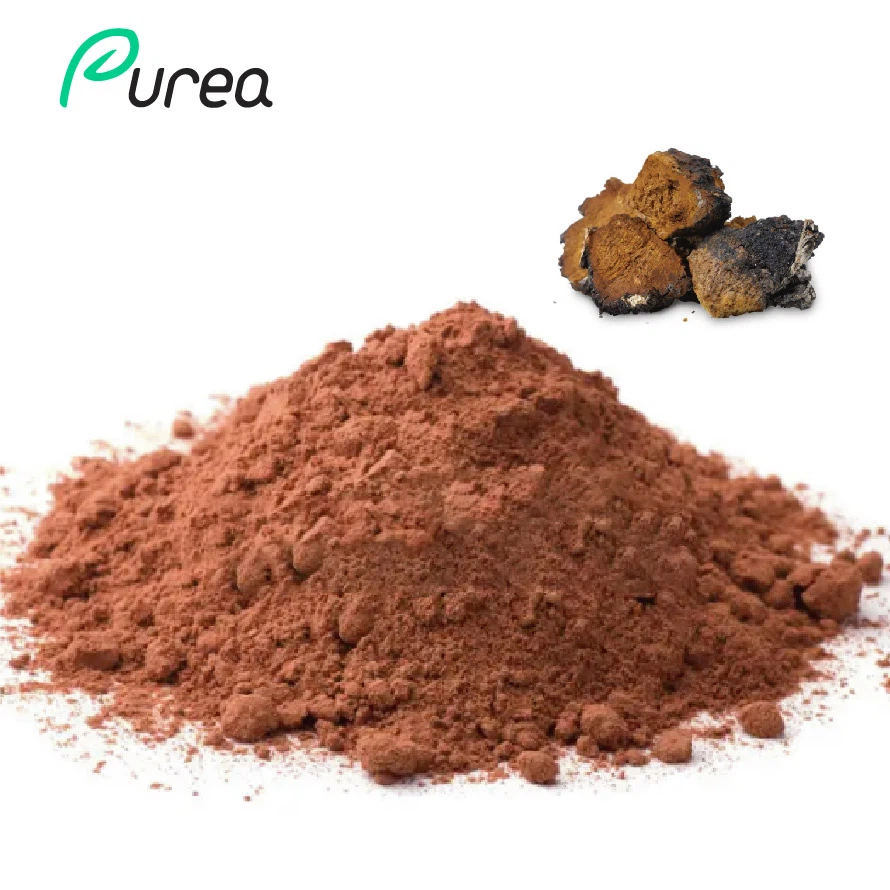
Another area where wolfberry extract shows promise is in improving vision. In traditional Chinese medicine, the eyes are closely related to the liver. Since wolfberry extract is believed to nourish the liver, it is also thought to have a positive effect on the eyes. Modern scientific studies have found that the zeaxanthin in wolfberry extract is concentrated in the macula of the eye, where it helps protect against age - related macular degeneration, a leading cause of blindness in the elderly.
In addition to its organ - nourishing and antioxidant properties, wolfberry extract is also used in traditional medicine to boost the immune system. It contains polysaccharides, which are complex carbohydrates that have been shown to stimulate the activity of immune cells, such as macrophages and lymphocytes. A strong immune system is essential for defending the body against diseases, and traditional medicine has always emphasized the importance of maintaining a healthy immune function.
When it comes to the forms of wolfberry extract used in traditional medicine, it can be found in various preparations. It can be made into herbal teas, which are a popular way to consume it for daily health maintenance. In some cases, it is also used in combination with other herbs to create more comprehensive herbal formulas. For example, wolfberry extract may be combined with other liver - and kidney - tonifying herbs to enhance its effects.
As a supplier of wolfberry extract, I understand the importance of quality and purity. Our wolfberry extract is carefully processed to ensure that it retains all the beneficial components. We source our wolfberries from regions known for their high - quality produce, and our extraction process is carried out under strict quality control measures.
In the context of traditional medicine, the use of natural plant extracts often goes hand in hand with other related products. For instance, Red Rice Yeast Extract is another natural extract that has been used in traditional medicine for centuries. It is known for its potential to support cardiovascular health. Similarly, Black Ginger Extract Powder is used in traditional medicine for its energizing and anti - inflammatory properties. And Pure Stevia Leaf Extract is a natural sweetener that can be used in herbal preparations to improve the taste.
The demand for wolfberry extract in traditional medicine is on the rise. With the growing interest in natural and holistic approaches to health, more and more people are turning to traditional medicine and the use of natural plant extracts. As a supplier, we are committed to meeting this demand by providing high - quality wolfberry extract that can be used effectively in traditional medicine.
If you are a practitioner of traditional medicine, a herbal product manufacturer, or someone interested in incorporating wolfberry extract into your health routine, I encourage you to reach out for a procurement discussion. We can provide you with detailed information about our wolfberry extract, including its specifications, quality control measures, and pricing. Our team of experts is also available to answer any questions you may have about the use of wolfberry extract in traditional medicine.
In conclusion, wolfberry extract has a long - standing place in traditional medicine, and scientific research is gradually validating its potential health benefits. As a reliable supplier, we are dedicated to providing the best - quality wolfberry extract to support the continued use and development of traditional medicine.
References
- "Traditional Chinese Medicine: The Web That Has No Weaver" by Ted J. Kaptchuk
- "The Pharmacology of Chinese Herbs" by John K. Chen and Tina T. Chen
- Scientific studies on wolfberry extract published in peer - reviewed journals such as "Journal of Ethnopharmacology" and "Food Chemistry"


