


As a supplier of Banana Fruit Powder, I've often been intrigued by the various factors that influence the final color of our product. One question that frequently arises is: How does the color of the banana affect the color of the powder? In this blog, I'll delve into this topic, exploring the science behind it and sharing insights based on our experiences in the industry.
The Natural Color Spectrum of Bananas
Bananas, like many fruits, undergo a series of color changes as they ripen. These changes are not just superficial; they are indicative of significant biochemical processes occurring within the fruit.
When bananas are unripe, they typically have a green color. This green hue is primarily due to the presence of chlorophyll, the pigment responsible for photosynthesis in plants. Chlorophyll gives plants their characteristic green color and plays a crucial role in converting sunlight into energy. As the banana ripens, the chlorophyll begins to break down, and other pigments start to become more prominent.
As the banana progresses through the ripening process, it turns yellow. This color change is a result of the breakdown of chlorophyll and the accumulation of carotenoids, which are pigments that give fruits and vegetables their yellow, orange, and red colors. Carotenoids, such as beta - carotene, are not only responsible for the color of ripe bananas but also have antioxidant properties that are beneficial for human health.
In some cases, over - ripe bananas can develop brown spots. These brown spots are caused by the oxidation of polyphenols in the fruit. Polyphenols are a group of compounds that are found in many plants and are involved in various physiological processes. When the cells in the banana are damaged or exposed to oxygen, polyphenol oxidase enzymes catalyze the oxidation of polyphenols, leading to the formation of brown pigments called melanins.
Impact of Banana Color on Powder Color
The color of the banana at the time of processing has a direct impact on the color of the resulting powder.
Green Bananas
When green bananas are used to make powder, the resulting product tends to have a greenish - yellow color. The high chlorophyll content in green bananas is retained to some extent during the drying and powdering process. Green banana powder is often used in applications where a more neutral or slightly greenish color is desired, such as in some baby food formulations or in products where a higher level of resistant starch (which is more abundant in green bananas) is required. Green banana powder also has a more starchy and less sweet flavor compared to powder made from ripe bananas.
Yellow Bananas
Powder made from yellow bananas is the most common type of banana fruit powder. It has a bright yellow color, thanks to the high concentration of carotenoids in ripe bananas. This yellow color is appealing to consumers and is often associated with freshness and naturalness. Yellow banana powder is widely used in a variety of food and beverage products, including smoothies, baked goods, and cereal bars. The sweet and fruity flavor of yellow banana powder makes it a popular ingredient in many consumer products.
Over - ripe Bananas
Banana powder made from over - ripe bananas has a darker, more brownish - yellow color. The presence of melanins from the oxidation of polyphenols gives the powder this darker hue. Over - ripe banana powder has a more intense and complex flavor profile, with notes of caramel and banana. It is often used in products where a deeper, more developed flavor is desired, such as in chocolate - banana desserts or in some types of specialty coffee blends.
Factors Affecting Color Retention during Processing
Several factors during the processing of bananas into powder can affect the final color of the product.
Drying Method
The drying method used is crucial for color retention. For example, freeze - drying is a popular method for making high - quality banana powder. Freeze - drying involves freezing the bananas at very low temperatures and then removing the water by sublimation, which is the process of changing ice directly into vapor without passing through the liquid phase. This method helps to preserve the natural color and flavor of the bananas because it minimizes the exposure of the fruit to heat, which can cause the degradation of pigments.
On the other hand, spray - drying is a more common and cost - effective method. In spray - drying, a liquid banana puree is atomized into fine droplets and then dried in a hot air stream. While spray - drying is efficient, the high temperatures involved can cause some degradation of the pigments, leading to a slightly darker or less vibrant color compared to freeze - dried powder.
Storage Conditions
The storage conditions of the banana powder also play a role in color stability. Exposure to light, heat, and oxygen can cause the pigments in the powder to degrade over time. To maintain the color of the powder, it should be stored in a cool, dark place in air - tight containers. Vacuum packaging can also help to reduce the exposure of the powder to oxygen, which slows down the oxidation process and preserves the color and quality of the product.
Comparing Banana Powder with Other Fruit Powders
In the market of fruit powders, banana powder has its unique color characteristics compared to other popular options like Orange Fruit Powder and Black Elderberry Fruit Powder.
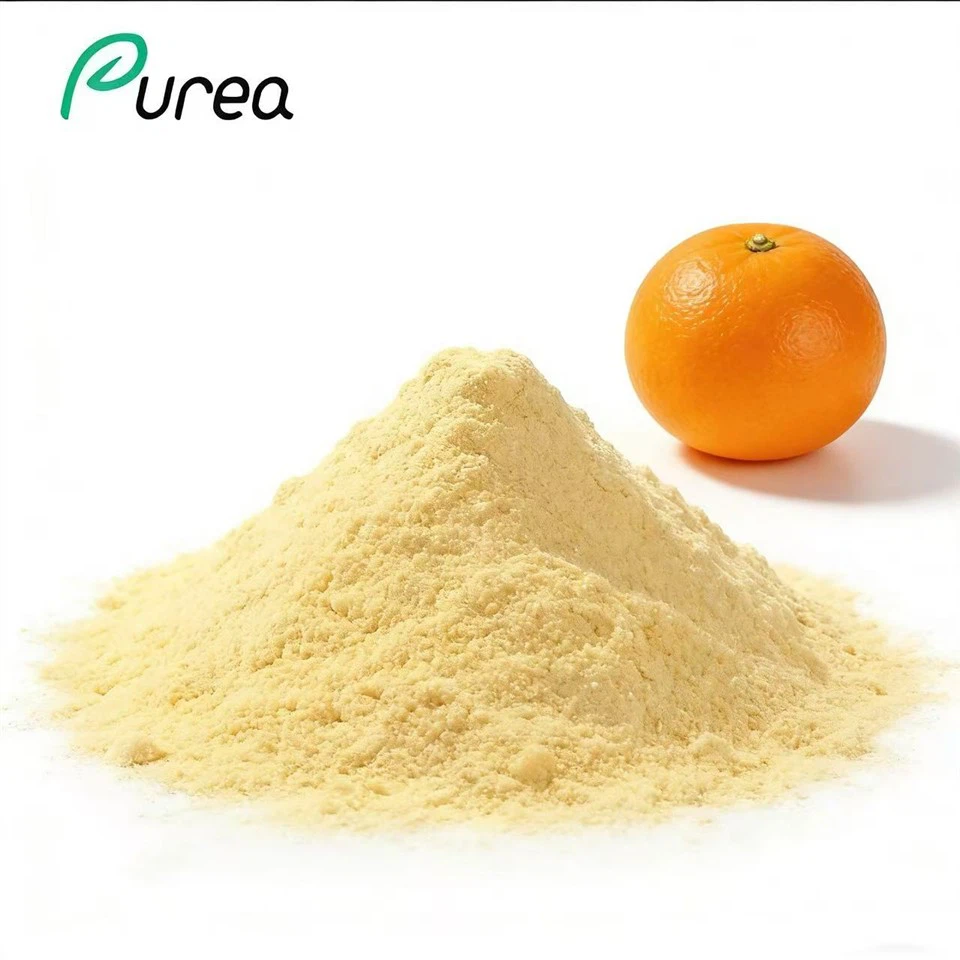
Orange fruit powder, as the name suggests, has a vibrant orange color due to its high content of carotenoids, mainly beta - carotene. This color is much more intense and orange - hued compared to the yellow color of most banana powders. Orange fruit powder is often used in products where a bright and refreshing orange flavor and color are desired, such as in orange - flavored drinks and desserts.
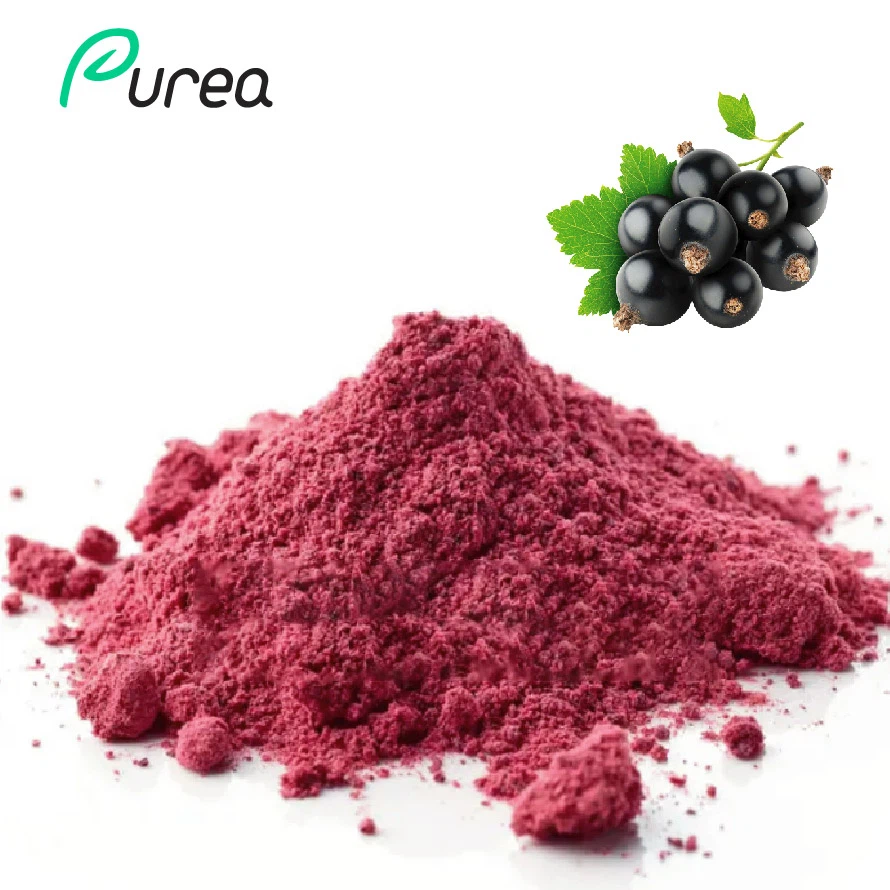
Black elderberry fruit powder has a deep purple - black color. This color comes from anthocyanins, which are a type of flavonoid pigment. Anthocyanins are known for their antioxidant and anti - inflammatory properties. The color of black elderberry powder is very distinct from banana powder, and it is used in products like supplements, immune - boosting drinks, and some natural food colorings.
Another related product in the market is from Acai Berry Extract Powder Factory. Acai berry extract powder has a deep purple color, similar to black elderberry powder, due to its high anthocyanin content. It is often used in health - conscious products, such as energy bars and smoothies, and its color can add a visually appealing element to these products.
Applications of Different - Colored Banana Powders
The different colors of banana powder have various applications in the food and beverage industry.
Green banana powder, with its unique nutritional profile and greenish - yellow color, is used in products where a low - sugar and high - fiber option is needed. It can be added to gluten - free baked goods to improve their texture and nutritional value.
Yellow banana powder is the most versatile. It can be used in a wide range of products, from breakfast cereals to ice creams. Its bright color and sweet flavor make it a favorite among consumers of all ages.
Brownish - yellow over - ripe banana powder is often used in gourmet food products. It can be added to artisanal chocolates or used in high - end coffee blends to create a rich and complex flavor profile.
Conclusion
In conclusion, the color of the banana at the time of processing significantly affects the color of the resulting powder. The natural color changes in bananas during ripening, from green to yellow to brown, are due to the presence and breakdown of different pigments. By carefully selecting the ripeness of the bananas and controlling the processing and storage conditions, we can produce banana powder with the desired color and quality.
As a Banana Fruit Powder supplier, we understand the importance of providing high - quality products with consistent color and flavor. Whether you are looking for a greenish - yellow powder for a specific application or a bright yellow powder for a mainstream product, we have the expertise and resources to meet your needs.
If you are interested in purchasing our Banana Fruit Powder or have any questions about our products, please feel free to reach out. We are always happy to discuss your requirements and provide samples for you to evaluate. Let's start a conversation about how our banana powder can enhance your products!
References
- "Fruit and Vegetable Processing: Principles and Practices" by R. K. Robinson
- "Plant Pigments and Their Manipulation" edited by G. C. Whittaker
- "Food Chemistry" by H. - D. Belitz, W. Grosch, and P. Schieberle


