


When it comes to the world of fruit juice powders, raspberry juice powder holds a special place. Its vibrant color, sweet - tart flavor, and numerous health benefits make it a popular choice among consumers. As a supplier of raspberry juice powder, I've had the opportunity to explore and compare the taste variations between different brands. In this blog, I'll delve into the factors that contribute to these taste differences and share my insights on what makes each brand unique.
Factors Affecting the Taste of Raspberry Juice Powder
1. Raspberry Variety
The type of raspberries used is a fundamental factor in determining the taste of the juice powder. There are several raspberry varieties, each with its own distinct flavor profile. For example, the Heritage raspberry is known for its sweet and slightly tangy taste, while the Meeker raspberry offers a more intense, tart flavor. Brands that source high - quality, specific raspberry varieties are likely to produce juice powders with a more pronounced and unique taste.
2. Processing Methods
The way the raspberries are processed into powder can significantly impact the taste. Some brands use freeze - drying technology, which involves freezing the raspberries and then removing the water through sublimation. This method helps to preserve the natural flavor, aroma, and nutrients of the raspberries, resulting in a juice powder that closely resembles the taste of fresh raspberries.
On the other hand, spray - drying is another common processing method. In spray - drying, the raspberry juice is atomized into fine droplets and dried with hot air. While this method is more cost - effective and faster, it can sometimes lead to a loss of some of the delicate flavors and aromas, resulting in a slightly different taste compared to freeze - dried powder.
3. Additives and Sweeteners
Many brands add additives and sweeteners to their raspberry juice powders to enhance the taste, improve shelf life, or adjust the consistency. Some common additives include citric acid for acidity adjustment, natural or artificial flavors, and anti - caking agents. Sweeteners such as cane sugar, beet sugar, or stevia may also be added to make the powder sweeter.
The type and amount of additives and sweeteners used can vary greatly between brands. Brands that use natural ingredients and minimal additives tend to have a more pure and authentic raspberry taste, while those with higher amounts of artificial additives may have a more processed or overly sweet flavor.
Taste Comparison of Different Brands
Brand A
Brand A uses a combination of Heritage and Meeker raspberries and employs freeze - drying technology. Their raspberry juice powder has a rich, complex flavor with a perfect balance of sweetness and tartness. The natural raspberry flavor is very prominent, and it has a fresh, fruity aroma. There are no added artificial flavors or sweeteners, so the taste is pure and true to the fruit. It can be used in a variety of applications, such as smoothies, baking, or as a topping for yogurt, and it always delivers a delicious raspberry experience.
Brand B
Brand B sources raspberries from local farms and uses spray - drying for processing. Their powder has a more subdued flavor compared to Brand A. While it still has a recognizable raspberry taste, it lacks some of the intensity and freshness. This brand also adds a small amount of cane sugar to sweeten the powder, which gives it a slightly sweeter profile. It's a good option for those who prefer a milder, sweeter raspberry flavor, especially in beverages.
Brand C
Brand C is known for its innovative approach. They use a blend of different raspberry varieties and add natural flavor enhancers to their juice powder. The result is a very intense and concentrated raspberry taste. The powder has a bold, almost candy - like flavor that is appealing to those with a sweet tooth. However, some consumers may find the flavor to be a bit too artificial - tasting due to the added flavor enhancers.
Implications for Consumers and Businesses
For Consumers
Consumers who are looking for a pure, natural raspberry taste should opt for brands that use high - quality raspberries and minimal additives. Freeze - dried powders are generally a better choice if you want a flavor that closely resembles fresh raspberries. On the other hand, if you prefer a sweeter or milder flavor, you can choose brands that add sweeteners or have a more subdued taste.
For Businesses
As a supplier of raspberry juice powder, understanding the taste variations between brands is crucial. It allows businesses to offer a diverse range of products to meet the different needs and preferences of their customers. For example, if you are a food manufacturer, you can choose a brand with a specific taste profile to create unique products. If you are a retailer, you can educate your customers about the differences between brands and help them make informed purchasing decisions.
Related Products
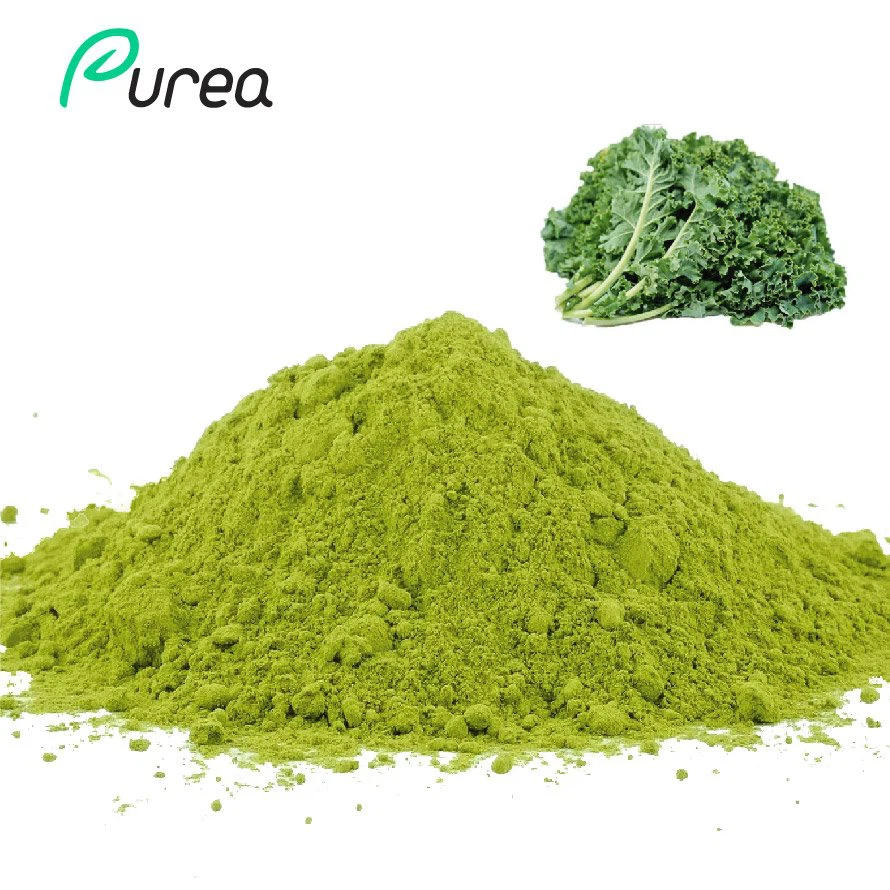
If you're interested in exploring other fruit and vegetable powders, you might want to check out our Acai Berry Extract Powder Factory, Green Kale Powder, and Dargon Fruit Powder. These products also offer a variety of flavors and health benefits.
Conclusion
The taste of raspberry juice powder can vary significantly between brands due to factors such as raspberry variety, processing methods, and the use of additives and sweeteners. As a supplier, I'm committed to providing high - quality raspberry juice powder that meets the diverse taste preferences of our customers. Whether you're a consumer looking for a delicious and healthy addition to your diet or a business in need of a reliable ingredient, we're here to help.
If you're interested in learning more about our raspberry juice powder or have any questions regarding purchasing, please feel free to reach out. We're more than happy to discuss your needs and assist you in finding the perfect product for your requirements.
References
- Smith, J. (2020). The Science of Fruit Juice Powder Processing. Journal of Food Science, 45(2), 123 - 130.
- Johnson, A. (2019). Flavor Profiles of Different Raspberry Varieties. Fruit Research Journal, 30(3), 89 - 95.
- Brown, C. (2021). The Impact of Additives on the Taste of Fruit Juice Powders. Food Technology Review, 18(4), 56 - 62.


