


As a supplier of Raspberry Juice Powder, I've had the privilege of exploring and understanding the unique texture of this delightful product. In this blog, I'll take you on a journey to discover how the texture of raspberry juice powder feels, and why it matters in various applications.
Physical Appearance and Initial Impression
When you first lay your eyes on raspberry juice powder, you'll notice its fine, powdery consistency. It resembles a soft, velvety dust that has a vibrant red - purple hue, reminiscent of the fresh raspberries from which it is derived. The color is so intense that it immediately gives you a sense of the rich flavor and nutritional value packed within.
Running your fingers through the powder, you can feel its smoothness. There are no large clumps or gritty particles, which indicates a high - quality manufacturing process. The powder flows freely between your fingers, much like fine sand, but with a lighter and airier feel. This free - flowing nature is essential as it allows for easy handling and accurate measurement in different applications, whether it's in a home kitchen or a large - scale production facility.
Solubility and Mouthfeel
One of the most important aspects of the texture of raspberry juice powder is its solubility. When you add the powder to a liquid, such as water, milk, or a smoothie, it starts to dissolve rapidly. As it mixes with the liquid, you can see the vivid color spreading, transforming the clear liquid into a beautiful raspberry - colored beverage.
The dissolved powder imparts a smooth and refreshing mouthfeel. There's no grainy residue left on the tongue, which is a common issue with some low - quality powders. Instead, it creates a homogeneous mixture that has a pleasant thickness, similar to a freshly squeezed raspberry juice. The natural pectin and other soluble fibers in the raspberries contribute to this smooth texture, giving the drink a slightly viscous quality without being overly thick or sticky.
In Baked Goods and Desserts
When used in baked goods like muffins, cakes, or cookies, raspberry juice powder adds a unique texture. It doesn't just provide flavor; it also affects the moisture content and crumb structure of the final product. In the mixing process, the powder blends well with the dry ingredients, and as the dough or batter bakes, it releases its flavor and helps to keep the baked good moist.
The result is a tender and moist crumb with a burst of raspberry flavor in every bite. The powder also adds a slight chewiness, which is characteristic of raspberries. In desserts like ice cream or yogurt, the raspberry juice powder can be sprinkled on top or mixed in. When mixed in, it creates a swirled effect, adding both visual appeal and a delightful texture contrast to the creamy base.
In Comparison with Other Fruit Powders
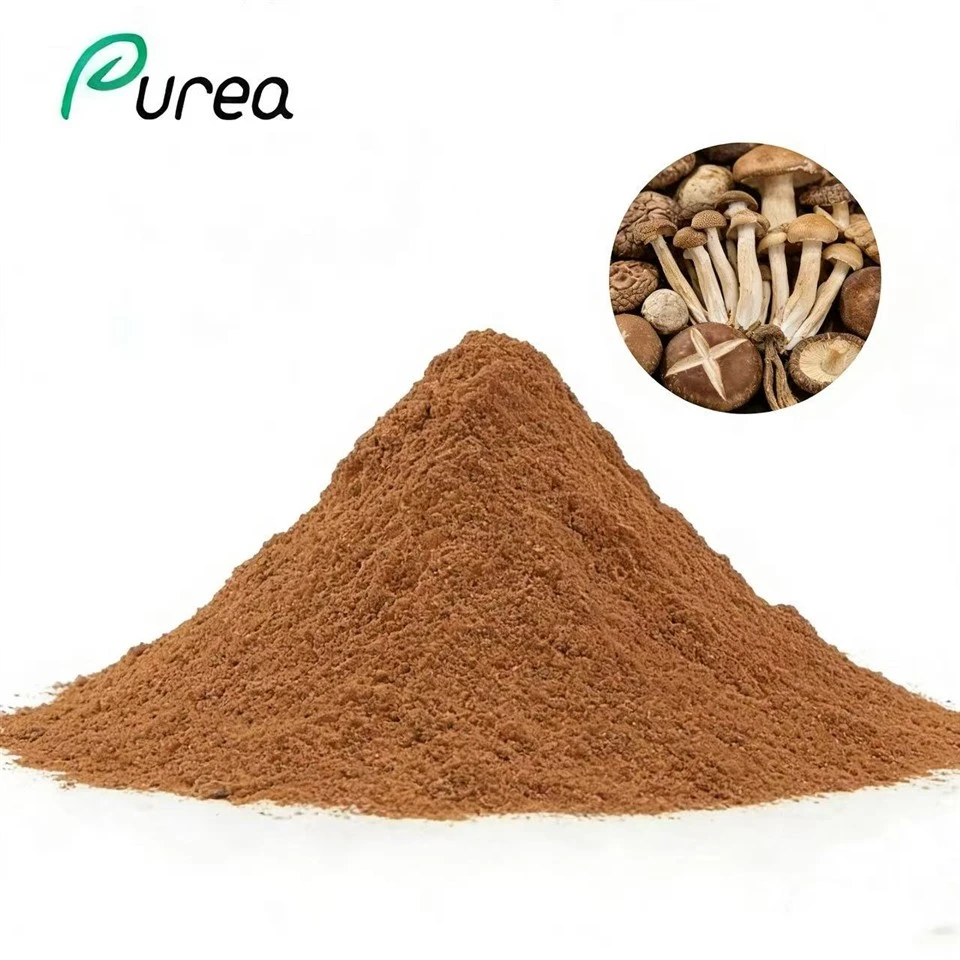
Compared to other fruit powders such as Organic Mushroom Extract Blend Powder, Grape Seed Extract Powder 84929 - 27 - 1, and Spinach Powder Extract Powder, raspberry juice powder has a distinct texture. Organic mushroom extract blend powder often has a more earthy and slightly coarser texture, which can be a bit gritty if not properly processed. Grape seed extract powder is usually finer and has a more neutral texture, mainly used for its health - promoting properties rather than a significant textural contribution. Spinach powder extract has a green, leafy quality and a somewhat fibrous texture when compared to the smooth and fruity texture of raspberry juice powder.
Factors Affecting the Texture
Several factors can affect the texture of raspberry juice powder. The quality of the raw raspberries is crucial. Raspberries that are ripe and free from any diseases or pests will produce a powder with a better texture. The manufacturing process also plays a significant role. Techniques such as spray - drying, which is commonly used to produce fruit powders, need to be carefully controlled to ensure a fine and uniform texture.
Storage conditions can also impact the texture. If the powder is exposed to high humidity, it can clump together, affecting its free - flowing nature and solubility. Therefore, it's important to store the powder in a cool, dry place in an air - tight container.

Why Texture Matters in the Market
Texture is a key factor in consumer acceptance of food products. In the case of raspberry juice powder, its smooth texture makes it a versatile ingredient that can be used in a wide range of products. Consumers are more likely to choose a product that has a pleasant texture, whether it's in a beverage, a baked good, or a dessert.
For food manufacturers, the texture of the powder can affect the production process. A free - flowing powder is easier to handle in automated systems, reducing the risk of blockages and ensuring consistent product quality. The solubility and mouthfeel of the powder also contribute to the overall quality of the final product, which can lead to increased customer satisfaction and brand loyalty.
Conclusion
In conclusion, the texture of raspberry juice powder is a multi - faceted characteristic that affects its performance in various applications. Its fine, smooth, and free - flowing nature makes it easy to handle, while its excellent solubility and pleasant mouthfeel enhance the quality of the products it's used in. Whether you're a home cook looking to add a burst of raspberry flavor to your recipes or a food manufacturer seeking a high - quality ingredient, the texture of our raspberry juice powder is sure to meet your expectations.
If you're interested in exploring the possibilities of using our raspberry juice powder in your products, we'd love to have a discussion with you. Contact us to start a procurement negotiation and discover how our product can add value to your offerings.
References
- "Fruit and Vegetable Powders: Production, Properties, and Applications" by various authors in the Journal of Food Science and Technology.
- "Texture Analysis in Food Products" by a leading researcher in the field of food technology.


