


As a supplier of Organic Carrot Powder, ensuring the quality of our product during transportation is of utmost importance. Organic carrot powder is a delicate product that can be easily affected by various factors such as temperature, humidity, light, and oxygen. In this blog, I will share with you the methods and strategies we adopt to maintain the quality of organic carrot powder during transportation.
Understanding the Sensitivity of Organic Carrot Powder
Before delving into the transportation methods, it is crucial to understand why organic carrot powder is so sensitive. Organic carrot powder is rich in vitamins, minerals, and antioxidants, such as beta - carotene. These nutrients are highly susceptible to degradation when exposed to unfavorable conditions. For example, high temperatures can accelerate the oxidation process, leading to the loss of nutritional value and a change in color and flavor. Humidity can cause the powder to clump, making it difficult to use and increasing the risk of microbial growth.
Packaging: The First Line of Defense
The right packaging is the cornerstone of maintaining the quality of organic carrot powder during transportation. We use high - quality, multi - layer packaging materials. The inner layer is usually made of a food - grade aluminum foil. Aluminum foil has excellent barrier properties against light, oxygen, and moisture. It can effectively prevent the penetration of these elements, which are the main culprits in degrading the quality of the powder.
The outer layer is a sturdy cardboard box or a plastic container. The cardboard box provides mechanical protection, preventing the product from being damaged during handling and transit. It also helps to insulate the inner package from external temperature fluctuations to some extent. If we choose a plastic container, it should be made of a thick, durable plastic that can withstand the rigors of transportation.
Temperature Control
Temperature is one of the most critical factors in transporting organic carrot powder. We recommend shipping the product in a temperature - controlled environment. For long - distance transportation, especially during hot seasons, we use refrigerated trucks or containers. These vehicles and containers are equipped with advanced temperature control systems that can maintain a stable temperature range, typically between 2 - 8 degrees Celsius.
This low - temperature environment slows down the chemical reactions that cause degradation, such as oxidation and microbial growth. However, it is essential to ensure that the temperature does not drop too low, as extremely cold temperatures can also cause the powder to become brittle and may affect its solubility.
For shorter distances or in milder climates, we use insulated shipping boxes with ice packs. The insulated boxes are made of materials with high thermal resistance, such as expanded polystyrene (EPS) or polyurethane foam. The ice packs are placed strategically inside the box to keep the temperature within the desired range.
Humidity Management
Humidity can have a significant impact on the quality of organic carrot powder. High humidity can cause the powder to absorb moisture, leading to clumping and the growth of mold and bacteria. To manage humidity during transportation, we include desiccants in the packaging. Silica gel is a commonly used desiccant in the food industry. It can absorb moisture from the air inside the package, keeping the powder dry.
We also monitor the humidity levels in the storage and transportation facilities. If the humidity is too high, we use dehumidifiers to reduce the moisture content in the air. This proactive approach helps to ensure that the organic carrot powder remains in optimal condition throughout the transportation process.
Handling and Loading
Proper handling and loading are also crucial for maintaining the quality of organic carrot powder. During the loading process, we ensure that the packages are stacked carefully to prevent damage. The packages should be placed in an upright position to avoid any leakage or spillage.
We also train our staff on proper handling techniques. They are instructed to handle the packages gently, avoiding any rough movements or impacts. This reduces the risk of the packages being damaged and the powder inside being affected.
Documentation and Tracking
To ensure transparency and accountability, we provide detailed documentation for each shipment of organic carrot powder. The documentation includes information about the product, such as its origin, production date, expiration date, and nutritional content. It also contains details about the transportation conditions, such as the temperature and humidity levels during transit.
We use advanced tracking systems to monitor the location and condition of the shipment in real - time. This allows us to respond quickly to any issues that may arise during transportation, such as delays or temperature fluctuations.
Comparison with Other Products
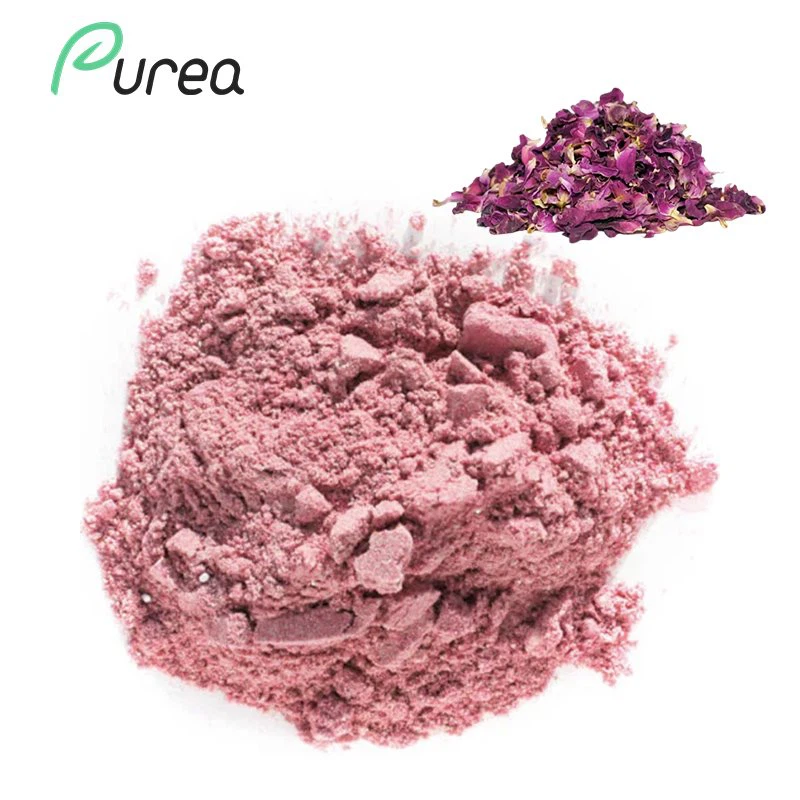
When compared with other similar products like Banana Fruit Powder, Acai Berry Extract Powder Factory, and Rose Flower Powder, organic carrot powder has its own unique transportation requirements. While all these products are sensitive to light, oxygen, and moisture, the specific nutritional composition of organic carrot powder makes it more vulnerable to certain types of degradation. For example, the high content of beta - carotene in carrot powder makes it more prone to oxidation, which requires more stringent temperature and oxygen control during transportation.
Conclusion
Maintaining the quality of organic carrot powder during transportation is a complex but essential task. By using appropriate packaging, controlling temperature and humidity, ensuring proper handling, and providing detailed documentation and tracking, we can ensure that our customers receive a high - quality product.
If you are interested in purchasing our organic carrot powder or have any questions about our transportation methods, please feel free to contact us. We are more than happy to discuss your specific requirements and provide you with the best solutions.
References
- "Food Packaging: Principles and Practice" by Yam, K. L., Takhistov, P. T., & Miltz, J.
- "Transportation of Perishable Foods" by Singh, R. P., & Heldman, D. R.
- "Handbook of Food Preservation" by Gould, G. W.


