


Hey there! As a supplier of bulk lutein powder, I've seen firsthand the importance of handling this stuff safely. Lutein is a super useful antioxidant that's found in lots of fruits and veggies, and it's become really popular in the health and wellness industry. But just like any other powder, there are some safety precautions you need to take when dealing with bulk lutein powder. So, let's dive into what you need to know!
Personal Protective Equipment (PPE)
First things first, PPE is a must. When you're handling bulk lutein powder, you should always wear gloves. This protects your skin from direct contact with the powder, which can sometimes cause irritation. Latex or nitrile gloves work great, but make sure they fit well so they don't come off while you're working.
Next up is a dust mask or respirator. Lutein powder is fine and can easily become airborne. Inhaling this powder can be harmful to your respiratory system. A good-quality dust mask will filter out the fine particles, but for more protection, especially if you're working in a large quantity, a respirator is the way to go.
Don't forget about eye protection! Safety goggles or a face shield will prevent the powder from getting into your eyes. Eye irritation can be really painful and even lead to more serious issues if not treated right away.
Handling and Storage
When it comes to handling bulk lutein powder, be gentle. Avoid any sudden movements or rough handling that could cause the powder to spill or become airborne. Use appropriate tools like scoops or funnels made of non - reactive materials. Stainless steel or plastic tools are good choices.
Storage is also crucial. Keep the lutein powder in a cool, dry place. Moisture can cause the powder to clump together, which not only affects its quality but can also be a pain to work with. A sealed container is a must to prevent air and moisture from getting in. You can even use desiccants in the storage area to absorb any excess moisture.
It's also a good idea to label the storage containers clearly. Include the name of the product, the date of receipt, and any other relevant information like batch number. This helps with inventory management and ensures you're using the oldest stock first.
Workplace Safety
Your workplace should be well - ventilated. Good ventilation helps to remove any airborne powder particles and keeps the air fresh. If possible, use a ventilation system like an exhaust fan or a fume hood. This is especially important if you're handling large amounts of lutein powder.
Keep the work area clean. Regularly sweep or vacuum the floors to remove any spilled powder. Wipe down surfaces with a damp cloth to pick up any remaining particles. A clean workplace reduces the risk of accidental ingestion or inhalation.
It's also important to have a spill response plan. In case of a spill, know what to do. Have absorbent materials like sand or kitty litter on hand to soak up the powder. Then, carefully collect the spilled powder and dispose of it properly according to local regulations.
Hygiene Practices
Personal hygiene is key when handling bulk lutein powder. Wash your hands thoroughly before and after handling the powder. Use warm water and soap, and scrub for at least 20 seconds. This gets rid of any powder that might be on your hands and prevents it from spreading to other surfaces or getting into your mouth.
Avoid eating, drinking, or smoking in the work area. This reduces the risk of accidentally ingesting the powder. If you need a break, make sure to wash your hands and leave the work area before having a snack or a drink.
Compatibility with Other Substances
Be aware of what other substances lutein powder might come into contact with. Lutein can react with certain chemicals, so it's important to keep it away from incompatible materials. For example, strong acids or bases can potentially react with lutein and change its properties.
If you're using other products in the same work area, make sure to separate them properly. This can prevent cross - contamination and ensure the quality of all the products.

Training and Education
If you have employees handling bulk lutein powder, make sure they're properly trained. Provide them with information about the safety precautions, how to use the PPE correctly, and what to do in case of an emergency. Regular training sessions can help keep everyone up - to - date and safe.
You can also provide educational materials like posters or brochures in the work area. These can serve as quick reminders of the safety procedures.
Emergency Preparedness
Have an emergency plan in place. This should include what to do in case of accidental ingestion, inhalation, or skin or eye contact. Make sure everyone knows where the first - aid kit is located and how to use it.
In case of a serious emergency, know the contact information for local emergency services. It's also a good idea to have a list of the ingredients in the lutein powder on hand, in case medical professionals need this information.
Our Other Products
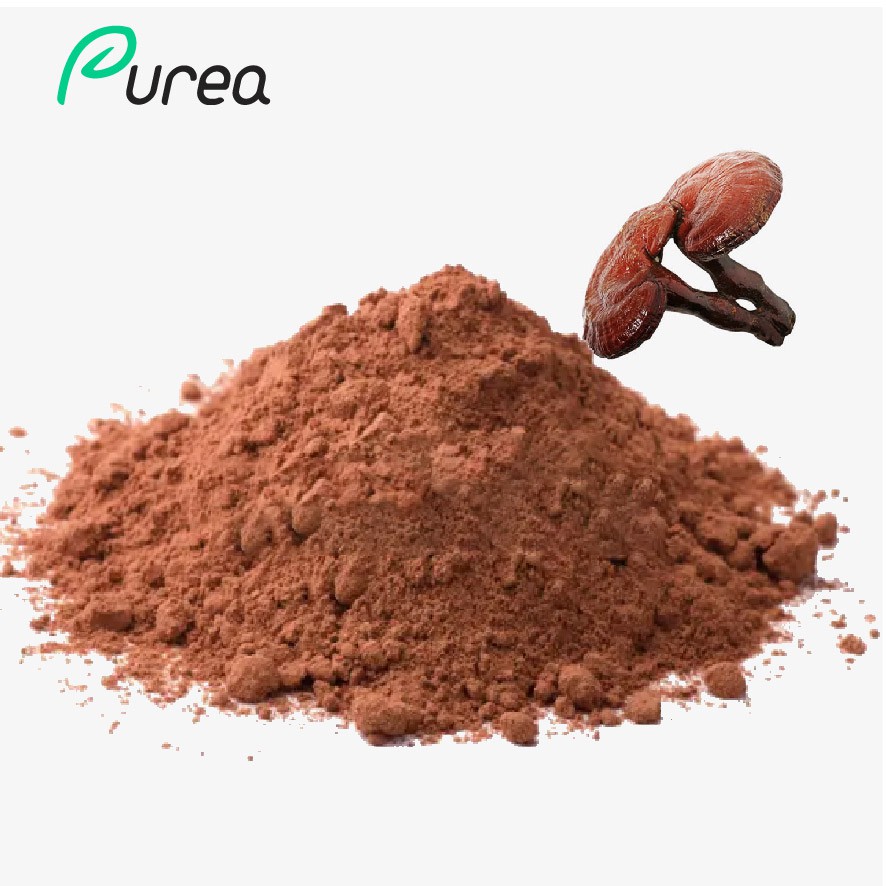
By the way, we're not just about lutein powder. We also offer some other great products like Reishi Mushroom Extract Powder, Panax Ginseng Root Extract, and Maca Root Extract Powder. These products also have their own set of safety precautions, but we're here to help you every step of the way.
Contact Us for Purchase
If you're interested in purchasing bulk lutein powder or any of our other products, don't hesitate to reach out. We're always happy to answer your questions and discuss your specific needs. Whether you're a small business looking for a high - quality ingredient or a large manufacturer in need of a reliable supplier, we've got you covered.
References
- American Conference of Governmental Industrial Hygienists (ACGIH). "Threshold Limit Values for Chemical Substances and Physical Agents and Biological Exposure Indices."
- Occupational Safety and Health Administration (OSHA). "General Industry Standards."
- National Institute for Occupational Safety and Health (NIOSH). "NIOSH Pocket Guide to Chemical Hazards."


