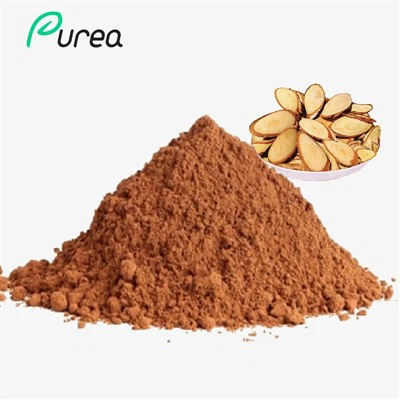
For centuries, Phellodendron bark-known in traditional East Asian herbal systems as Huangbai-has been valued for its role in supporting internal balance and overall wellbeing. Historically used in botanical preparations aimed at maintaining digestive comfort, microbial harmony, and systemic equilibrium, this tree bark has long been regarded as a versatile natural remedy. Today, growing global interest in plant-based wellness is bringing renewed attention to Phellodendron bark extract powder as researchers explore how its traditional uses align with modern nutritional science.
Rich in naturally occurring compounds such as berberine, limonoids, and other bioactive alkaloids, Phellodendron bark extract is now being studied for its potential to support metabolic function, gut health, inflammatory balance, and microbial ecology. As consumers worldwide look for ingredients that combine heritage, sustainability, and scientific relevance, this traditional botanical is emerging as a promising bridge between ancient herbal wisdom and contemporary functional nutrition. In the sections that follow, we'll explore how Phellodendron bark extract powder is making the transition from traditional herbal practice to a valued ingredient in modern health and wellness formulations.
The main active ingredients and physiological mechanisms of Phellodendron bark extract powder
I. Overview of the Chemical Composition of Phellodendron Amurense Extract Powder
Phellodendron amurense (Phellodendron chinense) bark is a traditional herb, and its extract powder is rich in various alkaloids, terpenoids, sterols, and other active ingredients. The most important active substance is berberine, and it also contains various isoquinoline alkaloids such as jatrorrhizine, palmatine, and phhellodendrine, as well as other plant compounds such as limonin and β-sitosterol.
II. Berberine: Core Active Ingredient and Multi-Target Mechanism
As the most abundant and most extensively studied component of Phellodendron amurense extract, berberine has extremely complex and diverse physiological functions. Studies have shown that berberine can help improve metabolic health, reduce chronic inflammation levels, and support cellular homeostasis by regulating the AMPK signaling pathway, inhibiting inflammation-related molecules (such as NF-κB), and regulating lipid and glucose metabolism.
III. Anti-inflammatory and Antioxidant Mechanisms
The active ingredients in Phellodendron bark extract (especially berberine and related alkaloids) possess anti-inflammatory and antioxidant properties. These compounds can reduce the activity of inflammatory signaling pathways (such as NF-κB), inhibit the production of inflammatory mediators, and increase the level of antioxidant enzymes in vivo, thereby reducing the risk of oxidative stress and cell damage.
IV. Antibacterial Effects and Microecological Regulation
Components such as berberine in Phellodendron bark extract also exhibit antibacterial and microecological regulatory effects, especially inhibitory effects against various pathogenic bacteria. For example, in vitro studies have shown that Phellodendron bark extract can reduce the relative abundance of oral pathogenic bacteria (such as Porphyromonas gingivalis) while increasing the proportion of beneficial bacteria, suggesting that it may support microecological homeostasis and local immune health by regulating the balance of the gut microbiota.

V. Effects on Digestive and Metabolic Pathways
Some studies have indicated that the alkaloids in Phellodendron bark extract can affect the gastrointestinal microecology and metabolic network. For example, some components can regulate the gut microbiota and potentially maintain the integrity of the intestinal barrier, thereby improving digestive inflammation and metabolic homeostasis. Preliminary evidence also suggests they may affect glucose metabolism and lipid processing, which has potential implications for conditions such as metabolic syndrome.
VI. Indirect Effects on the Immune System and Cellular Regulation
Although Phellodendron amurense extract powder is not an immune enhancer, its anti-inflammatory, antioxidant, and microecological regulatory effects contribute to maintaining immune system homeostasis. By reducing the chronic inflammatory environment, supporting a healthy microecology, and improving cellular energy metabolism, these mechanisms may indirectly promote a balanced immune response.
VII. Safety and Dosage Considerations
Although Phellodendron amurense extract powder contains various beneficial components, the bioavailability of these compounds in vivo is low, and some active substances, such as berberine, may interact with metabolic enzymes (such as CYP3A4) at high doses or when used in combination with other drugs. Therefore, its use should be based on safety data and professional advice.
Does Phellodendron Bark Extract Powder Really Help with Metabolic Health Management?
I. Scientific Background of Phellodendron Bark Extract Powder and Metabolic Health
Phellodendron bark extract powder is a traditional herbal extract whose main active ingredients are berberine and other plant alkaloids. These components have been used for various purposes in traditional Chinese medicine, while modern scientific research is increasingly focusing on their potential in regulating metabolic function and managing chronic disease risks. Berberine is considered a key compound in this extract responsible for many biological effects and is closely related to core mechanisms of metabolic health, such as glucose metabolism, lipid metabolism, inflammation, and gut microbiota.
II. Effects and Mechanisms of Berberine on Glucose Metabolism
One of the most prominent features of metabolic syndrome and type 2 diabetes is abnormal glucose regulation. Studies have found that berberine can improve glucose metabolism by activating signaling pathways such as AMPK (adenosine monophosphate-activated protein kinase), thereby increasing glucose uptake and reducing hepatic glucose production. Systematic reviews and randomized controlled trials have shown that berberine has a statistically significant effect on reducing fasting blood glucose and glucose tolerance indicators, while also alleviating metabolic abnormalities such as insulin resistance.
III. The Role of Berberine in Lipid Metabolism and Weight Management
Metabolic health also involves lipid metabolism abnormalities, such as risk factors like high triglycerides and high LDL cholesterol. Evidence-based analysis shows that berberine also has a certain improving effect on these lipid indicators, such as reducing triglycerides (TG), total cholesterol (TC), and weight-related indicators. Although the effect on HDL-C varies, the overall trend of improvement in metabolic parameters is relatively clear, suggesting that it may contribute to lipid homeostasis and weight management.
IV. Berberine, Metabolic Inflammation, and Insulin Sensitivity
Chronic low-grade inflammation is an important component of metabolic syndrome. Patients with metabolic syndrome often have elevated inflammatory markers. Clinical and animal studies have shown that berberine has anti-inflammatory effects, can reduce the levels of inflammatory cytokines (such as hs-CRP, IL-6, and TNF-α), and improve insulin sensitivity, thus intervening in the pathological process of metabolic disorders at a deeper level.
V. Potential Regulation of Gut Microbiota and Energy Balance
Berberine not only directly affects metabolic pathways but also indirectly influences metabolic health through gut microbiota regulation. Some recent studies indicate that berberine can affect appetite, energy expenditure, and insulin sensitivity by altering gut microbiota composition and short-chain fatty acid production, and is closely related to the mechanisms of obesity and metabolic syndrome. This regulation of the "gut-metabolism" axis provides a new mechanistic perspective for Phellodendron amurense extract powder.
VI. Limitations of Clinical Evidence and Practical Interpretation
Although a growing body of research on berberine and Phellodendron amurense extract supports their positive effects on metabolic health indicators, several practical issues need to be considered: First, the number of high-quality randomized controlled trials is currently limited, resulting in research heterogeneity; second, the low bioavailability of berberine itself may affect efficacy; third, most studies use berberine alone or in combination with herbal preparations, rather than simply Phellodendron amurense extract powder, therefore, caution is needed when inferring its overall metabolic effects.

VII. Overall Viewpoint and Practical Recommendations
In general, berberine, the main active ingredient in Phellodendron bark extract powder, possesses significant metabolic regulatory potential, including multiple mechanisms such as improving blood glucose and lipids, promoting insulin sensitivity, reducing inflammatory markers, and regulating gut microbiota. Based on existing systematic reviews and clinical data, it may be a suitable supplemental dietary component for metabolic health management, but it should not replace standard medical interventions. For daily use, it is recommended to combine it with a scientific diet, exercise, and medical advice to comprehensively improve metabolic status.
How does Phellodendron Bark Extract Powder affect gut microbiota and digestive system function?
I. The Fundamental Link Between Phellodendron Bark Extract Powder and Gut Health
Phellodendron bark extract powder mainly contains alkaloid active ingredients, especially berberine. This component is widely found in herbal medicines and plays a significant bioactive role in the gut. Unlike many plant extracts, berberine has low oral bioavailability, thus remaining in the gut for a longer period, allowing it to directly interact with the **gut microbiota**. This interaction not only affects the microbial composition but may also indirectly regulate the host's digestive function and overall health.
II. Regulation of Gut Microbiota Composition and Function
Studies have shown that oral berberine can significantly alter the structure and function of the gut microbiota. On the one hand, berberine can weaken the proliferation of certain potentially pathogenic bacteria; on the other hand, it may promote the growth of certain probiotics, such as Bacteroides and Bifidobacterium, thereby improving the diversity and stability of the gut microbiota. This microbiota remodeling effect is considered a key pathway for berberine to exert its multiple physiological effects.
III. Effects on Short-Chain Fatty Acid (SCFA) Production
An increase in probiotics is often associated with increased production of short-chain fatty acids (SCFAs), such as butyric acid, propionic acid, and acetic acid. SCFAs are important byproducts of gut microbiota metabolism, crucial for maintaining intestinal barrier integrity, regulating inflammatory responses, and promoting energy supply to intestinal epithelial cells. Human and animal studies have shown that the presence of berberine may enhance SCFA production, thereby improving intestinal mucosal health and internal environment balance.
IV. Support for Digestive System Function and Intestinal Barrier
The intestinal barrier, formed by intestinal epithelial cells and tight junctions, is a key line of defense preventing harmful substances from entering the bloodstream. Berberine, by regulating the gut microbiota and enhancing probiotic activity, can promote the maintenance of intestinal mucosal barrier function, reduce abnormal intestinal permeability, and thus potentially prevent inflammation and discomfort caused by "leaky gut" or toxin infiltration. Some animal experiments have also found that berberine can reduce intestinal inflammation levels and improve intestinal dysfunction in disease models such as diabetes.
V. Interactions with Bile Acids and Metabolic Regulation
The gut microbiota participates in bile acid metabolism, and the presence of berberine can regulate the interaction between bile acid metabolic pathways and the gut microbiota. Bile acids not only participate in lipid absorption but also affect the environmental adaptation and microecological balance of gut bacteria. Furthermore, bile acid signaling pathways are closely related to energy metabolism and inflammatory responses; therefore, berberine, by altering the relationship between the gut microbiota and bile acid metabolism, may further support digestive and metabolic health.
VI. Antimicrobial Effects and Microecological Balance
Although berberine has antibacterial effects, it tends to inhibit specific pathogens rather than completely disrupting the gut microbiota. This is similar to many phytochemicals; it can reduce the number of certain pathogenic bacteria while protecting and enhancing the function of probiotics, helping to maintain a healthy digestive environment. This moderate microecological regulatory effect is also considered an important mechanism for restoring intestinal balance in traditional Chinese medicine literature.
Is Phellodendron Bark Extract Powder helpful for skin or mucosal health?
I. The Active Basis of Phellodendron Amurense Extract Powder and its Relationship with Skin/Mucous Membranes
Phellodendron amurense (or Phellodendron chinense) bark extract powder is rich in various alkaloids and phenolic compounds, among which berberine, phellodendrine, and palmatine are the most representative. These natural plant secondary metabolites have demonstrated anti-inflammatory, antioxidant, and microbial growth-regulating activities in experimental studies. Skin and mucous membranes are precisely the sites most susceptible to inflammatory stimulation, oxidative stress, and microecological imbalance. Therefore, from the perspective of composition and pathway of action, Phellodendron amurense extract possesses the biological basis to support skin barrier stability and mucous membrane environment balance.
II. Anti-inflammatory Potential and Skin Cell Protection
Modern experimental studies have shown that Phellodendron amurense extract can regulate inflammatory responses and protect skin cells from pollutants. A cell experiment on human keratinocytes (HaCaT) found that when exposed to stimuli such as fine particulate matter (PM2.5), Phellodendron amurense extract could inhibit pollutant-triggered intracellular calcium ion influx and inflammatory signaling pathways (such as PAR-2 activation), thereby alleviating inflammatory responses and maintaining cell adhesion.

III. Mechanism: Inhibition of Inflammatory Signaling and Cellular Responses
In the above study, Phellodendron amurense extract significantly reduced pollutant-induced inflammatory calcium signaling by inhibiting the expression and activation of proteinase-activated receptor-2 (PAR-2). This signaling pathway is highly active when the skin barrier is stimulated, and its activation triggers the release of inflammatory factors and damage responses. The intervention of Phellodendron amurense extract suggests that it may have potential in reducing inflammatory damage and soothing skin immune responses.
IV. Antimicrobial Effects and Oral Mucosal Health
Phellodendron amurense extract and its active ingredients also have certain effects on the oral mucosal microecology and pathogens. In vitro studies have shown that Phellodendron bark extract and berberine can inhibit the relative abundance of certain periodontal pathogens (such as Porphyromonas gingivalis) while increasing health-related bacteria. This suggests that it may help maintain oral microecological balance and reduce inflammation induction in the mucosa, thus playing a supportive role in gingival and oral mucosal health.
V. Antioxidant Capacity and Barrier Function Support
In addition to its direct anti-inflammatory and antibacterial effects, the antioxidant properties of Phellodendron bark extract may also play a positive role in skin and mucosal barrier health. Active ingredients (such as flavonoids and polyphenols) can scavenge free radicals and reduce oxidative stress, which is a common factor in many skin aging, inflammation, and mucosal damage processes. Therefore, from the perspective of maintaining cellular homeostasis and alleviating oxidative damage, Phellodendron bark extract has some theoretical support.
VI. Application Potential in Skin and Mucosal Care Products
Based on its anti-inflammatory and microecological regulatory properties, Phellodendron bark extract has been increasingly used in skin care and oral care formulations in recent years. In skincare, it is often positioned as a soothing plant-based active ingredient, suitable for sensitive skin, oily skin, or skin prone to environmental irritation. In mucosal care, its antibacterial and anti-inflammatory potential makes it a research hotspot in oral hygiene, gum care, and throat care products. It's important to note that its actual effectiveness is closely related to the extraction process, active ingredient content, and formulation system. Therefore, product development emphasizes standardization and safety assessment rather than the theoretical efficacy of a single ingredient.
Conclusion
Overall, Phellodendron bark extract powder, as a traditional herbal extract, is gradually being re-examined by modern nutritional and functional health research. Its core active ingredients, such as berberine, alkaloids, and polyphenols, have not only demonstrated multiple effects in in vitro and animal experiments, including anti-inflammatory, antioxidant, microecological regulation, and metabolic support, but also provide scientific evidence for skin, mucous membrane, and digestive system health. From a metabolic health perspective, Phellodendron extract may help improve blood sugar, blood lipids, and insulin sensitivity; in the gut and digestive system, it can support overall digestive homeostasis by regulating gut microbiota composition, promoting short-chain fatty acid production, and maintaining intestinal barrier function; and in skin and mucous membrane health, its anti-inflammatory, antioxidant, and microecological regulation effects provide a theoretical basis for daily barrier protection.
Although these mechanisms of action have been verified in experimental studies, high-quality human clinical evidence remains relatively limited. Therefore, Phellodendron extract powder is currently more suitable as a daily health supplement or part of a functional nutritional supplement, used in conjunction with a balanced diet and healthy lifestyle, fully combining its traditional herbal wisdom with the advantages of modern scientific research. With the development of more clinical studies in the future, the application prospects of Phellodendron amurense extract in the field of modern health management are promising.
Purea Biological is unwavering in its commitment to offering the highest-quality, pure, and natural plant extracts to customers across the globe. With a core focus on innovation, integrity, and excellence, we proudly remain at the forefront of the industry in plant extracts, fruit and vegetable powders, and peptide powders. Our relentless pursuit of research and development allows us to adapt to the evolving demands of our international clientele. Additionally, our strict quality control procedures ensure that every product we provide is dependable. As we continue to aspire to be the global leader in this field, we invite you to join us in our journey toward improved health and sustainable progress. For further information or inquiries, feel free to contact us at sales@pureabio.com. Together, let's create a healthier future!
References
1.Neag, M.A., et al. "Berberine: Botanical Occurrence, Traditional Uses, Extraction and Bioactivities," Frontiers in Pharmacology, 9 (2018): 557.
2.Askari, V.R., et al. "A Mechanistic Review on How Berberine Use Combats Metabolic Disorders," Pharmaceuticals, 17(1) (2023): 7.
3.Liu, D., et al. Efficacy and safety of berberine on the components of metabolic syndrome: a systematic review and meta-analysis of randomized placebo-controlled trials, Frontiers in Pharmacology (2025), pp.
4.Och, A., et al. Berberine, a Herbal Metabolite in the Metabolic Syndrome: The Risk Factors, Course, and Consequences of the Disease, Molecules 27(4) (2022), pp.
5.Cheng, H., et al. Interactions between gut microbiota and berberine, a promising natural remedy for metabolic disorders, Pharmacological Research, 173 (2022): 105877.
6.Yang, F., et al. Berberine influences multiple diseases by modifying gut microbiota and metabolic pathways, Frontiers in Nutrition, 3 (2023): 1187718.
7.Choi, J., Moon, M.Y., Han, G.Y., Chang, M.S., Yang, D., & Cha, J. (2021). Phellodendron amurense extract protects human keratinocytes from PM2.5-induced inflammation via PAR-2 signaling, Biomolecules, 11(1): 23.