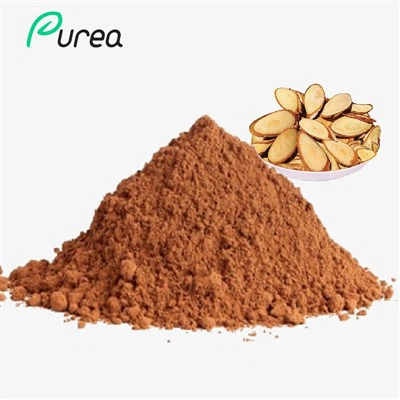
Liver health has become a growing concern in modern wellness discussions, and natural dietary fibers are increasingly recognized for their potential hepatic benefits. Psyllium husk powder, derived from the seeds of Plantago ovata, has emerged as a subject of interest among health professionals exploring digestive wellness and metabolic support. This soluble fiber supplement may offer indirect benefits to liver function through various mechanisms, including cholesterol management, blood sugar regulation, and gut health optimization. Purea Biological, a leading manufacturer in the plant extract industry, recognizes the importance of providing high-quality psyllium husk powder to meet the growing demand for natural health supplements that support comprehensive wellness strategies.
Can Psyllium Husk Powder Help Reduce Liver Fat?
The Connection Between Fiber Intake and Hepatic Fat Accumulation
Non-alcoholic fatty liver disease has become increasingly prevalent worldwide, affecting millions of individuals. Research suggests that dietary fiber plays a crucial role in managing hepatic fat accumulation through multiple pathways. Psyllium husk powder bulk supplies have gained attention from health supplement manufacturers because of their exceptional soluble fiber content, which can help reduce the absorption of dietary fats and improve lipid metabolism. When consumed regularly, this natural fiber forms a gel-like substance in the digestive tract that binds to fats and cholesterol, potentially reducing their absorption into the bloodstream. This mechanism indirectly supports liver health by decreasing the amount of fat that reaches the liver for processing. For businesses sourcing psyllium husk powder bulk factory products, understanding these physiological mechanisms helps in educating end consumers about the comprehensive benefits of this remarkable natural ingredient. The liver's ability to process and eliminate fats more efficiently may be enhanced when dietary fiber intake is optimized through quality psyllium supplementation.
Metabolic Benefits and Insulin Sensitivity Improvement
The liver plays a central role in glucose metabolism and insulin regulation throughout the body. Psyllium husk powder has demonstrated potential in improving insulin sensitivity, which directly impacts how the liver processes sugars and stores energy. When insulin resistance decreases, the liver experiences less metabolic stress and reduced tendency toward fat accumulation. Studies indicate that soluble fiber consumption can slow glucose absorption in the intestines, leading to more stable blood sugar levels. For psyllium husk powder manufacture operations focused on B2B markets, highlighting these metabolic benefits provides valuable selling points for supplement brands and functional food companies. The gel-forming properties of psyllium create a physical barrier that slows carbohydrate digestion, giving the liver more time to process incoming nutrients without becoming overwhelmed. This gradual nutrient delivery system supports optimal hepatic function and may contribute to reduced fat storage in liver cells.

Supporting Gut-Liver Axis Through Prebiotic Effects
The gut-liver axis represents a critical connection between digestive health and hepatic function, with the intestinal microbiome playing a significant role in liver wellness. Psyllium husk powder acts as a prebiotic, feeding beneficial bacteria in the gut and promoting a healthier microbiome composition. This improved bacterial balance can reduce the production of harmful metabolites that would otherwise reach the liver through the portal vein, potentially causing inflammation. When beneficial bacteria flourish, they produce short-chain fatty acids that have anti-inflammatory properties and support intestinal barrier integrity. A stronger intestinal barrier prevents inflammatory compounds from entering the bloodstream and reaching the liver. For companies sourcing from a reputable psyllium husk powder manufacture facility, emphasizing these gut-liver connections adds scientific depth to product marketing materials.
Does Psyllium Husk Powder Support Liver Detoxification?
Bile Acid Binding and Cholesterol Metabolism
The liver produces bile acids essential for fat digestion and elimination of waste products from the body. Psyllium husk powder demonstrates remarkable ability to bind bile acids in the intestinal tract, preventing their reabsorption and forcing the liver to synthesize new bile acids from cholesterol. This process effectively reduces circulating cholesterol levels while increasing the liver's metabolic activity in a beneficial way. For businesses evaluating psyllium husk powder bulk suppliers, understanding this mechanism helps explain why this ingredient has become popular in cholesterol management formulations. The increased bile acid synthesis stimulates greater cholesterol utilization by the liver, potentially reducing the cholesterol burden on hepatic cells and decreasing the risk of cholesterol-related liver dysfunction. This natural detoxification support works synergistically with the liver's inherent cleansing mechanisms rather than imposing stress on the organ. When sourcing from a quality-focused psyllium husk powder manufacture partner, businesses can ensure their customers receive a product that effectively supports these important metabolic pathways.
Toxin Binding Capacity and Intestinal Transit Time
Beyond bile acid sequestration, psyllium husk powder exhibits general binding properties that may help capture various toxins and metabolic waste products in the digestive tract. By increasing stool bulk and accelerating intestinal transit time, this soluble fiber reduces the duration that potentially harmful compounds remain in contact with the intestinal wall, thereby limiting their absorption into the bloodstream. This mechanism indirectly protects the liver from having to process excessive amounts of environmental toxins, food additives, and bacterial endotoxins. For B2B customers seeking psyllium husk powder bulk factory options, emphasizing these protective qualities distinguishes high-quality fiber supplements from basic commodity products. The faster elimination of waste materials means the liver can focus its enzymatic resources on essential metabolic functions rather than constant detoxification. Additionally, regular bowel movements facilitated by adequate fiber intake prevent the buildup of constipation-related toxins that can be reabsorbed and delivered directly to the liver.
Anti-inflammatory Properties Through Gut Health Optimization
Chronic low-grade inflammation represents a significant risk factor for liver disease progression and metabolic dysfunction. Psyllium husk powder contributes to reduced systemic inflammation through its positive effects on gut health and microbiome composition. When the intestinal environment is balanced and the gut barrier remains intact, fewer inflammatory signals reach the liver, allowing it to maintain optimal function without constant immune activation. The fermentation of psyllium fiber by beneficial gut bacteria produces butyrate and other short-chain fatty acids with documented anti-inflammatory effects throughout the body, including the liver. Companies working with a reputable psyllium husk powder manufacture source can leverage these anti-inflammatory benefits in product positioning for customers concerned about inflammatory health conditions. The reduction in inflammatory markers associated with improved gut health may translate to decreased hepatic inflammation and better liver enzyme profiles over time.

How Much Psyllium Husk Powder Should You Take for Liver Health?
Determining Optimal Dosage Based on Research Evidence
Scientific studies examining psyllium husk powder and metabolic health typically employ dosages ranging from five to fifteen grams daily, divided into multiple servings for optimal tolerability and effectiveness. For liver-specific benefits, most research suggests that consistent daily intake within this range provides the foundation for meaningful metabolic improvements over time. However, individual needs may vary based on dietary habits, existing health conditions, and overall fiber consumption from other food sources. Businesses sourcing psyllium husk powder bulk quantities should provide clear dosage guidelines to help end users achieve the intended health benefits without gastrointestinal discomfort. Starting with smaller amounts and gradually increasing intake allows the digestive system to adapt to increased fiber levels, promoting better compliance and user satisfaction. For psyllium husk powder manufacture partners serving the B2B market, offering various packaging sizes and concentration options enables customer flexibility in product formulation.
Integration into Comprehensive Liver Health Protocols
While psyllium husk powder offers valuable support for liver function, it works best as part of a holistic wellness approach that includes balanced nutrition, adequate hydration, regular physical activity, and appropriate medical care when needed. For B2B customers developing comprehensive health protocols, positioning psyllium as a cornerstone fiber supplement that enhances other liver-supportive interventions creates more compelling product narratives. The synergistic effects between quality fiber intake and other nutritional strategies often exceed the benefits of any single intervention alone. Companies partnering with a quality-focused psyllium husk powder bulk factory can ensure consistent product quality that supports repeatable results for end consumers following structured health improvement programs. Educational materials that explain how psyllium fits within broader liver health strategies add value for both retail partners and their customers.
Quality Considerations and Manufacturing Standards
The effectiveness of psyllium husk powder for liver health depends significantly on product purity, processing methods, and absence of contaminants that could counteract its benefits. For businesses evaluating psyllium husk powder manufacture options, prioritizing suppliers with rigorous quality control standards and transparent sourcing practices ensures that products deliver promised health benefits without introducing harmful substances. Heavy metal contamination, pesticide residues, and microbial contaminants can all impose additional burdens on liver detoxification systems, potentially negating the positive effects of the fiber itself. Reputable manufacturers implement comprehensive testing protocols throughout production, from raw material verification through final product release, guaranteeing that each batch of psyllium husk powder bulk meets stringent safety and purity specifications. Third-party testing certifications and documentation of Good Manufacturing Practices provide additional assurance for B2B customers.

Conclusion
Psyllium husk powder offers meaningful indirect support for liver health through multiple mechanisms including improved lipid metabolism, enhanced insulin sensitivity, gut microbiome optimization, and reduced systemic inflammation. While not a direct liver treatment, this remarkable soluble fiber contributes to the metabolic conditions that allow the liver to function optimally. For businesses in the health supplement industry, sourcing quality psyllium husk powder bulk from reputable manufacturers ensures product effectiveness and customer satisfaction.
Purea Biological remains committed to its mission of providing the highest quality, pure, and natural plant extracts to customers worldwide. With a strong emphasis on innovation, integrity, and quality, we continue to lead the industry in plant extracts, fruit and vegetable powders, and peptide powders. Our dedication to research and development ensures that we meet the evolving needs of our global clientele, while our rigorous quality control practices guarantee the reliability of every product we deliver. As we strive to be the global leader in this field, we invite you to join us in our journey towards better health and sustainable growth. For more information or inquiries, please feel free to contact us at sales@pureabio.com. Let's work together for a healthier tomorrow!
References
- Anderson JW, Baird P, Davis RH, et al. Health benefits of dietary fiber. Nutrition Reviews. 2009; 67(4):188-205.
- McRorie JW, Chey WD. Fermented fiber and nonfermented soluble fiber supplementation: a comparative review of their mechanisms and clinical effects. Clinical and Translational Gastroenterology. 2016; 7(2):e143.
- Pal S, Radavelli-Bagatini S. Effects of psyllium on metabolic syndrome risk factors. Obesity Reviews. 2012; 13(11):1034-1047.
- Brum JM, Gibb RD, Peters JC, et al. Satiety effects of psyllium in healthy volunteers. Appetite. 2016; 105:27-36.
- Jovanovski E, Yashpal S, Komishon A, et al. Effect of psyllium fiber on glycemic control in patients with type 2 diabetes: a systematic review and meta-analysis. European Journal of Clinical Nutrition. 2018; 72(2):152-163.
- Sierra M, Garcia JJ, Fernandez N, et al. Therapeutic effects of psyllium in type 2 diabetic patients. European Journal of Clinical Nutrition. 2002; 56(9):830-842.