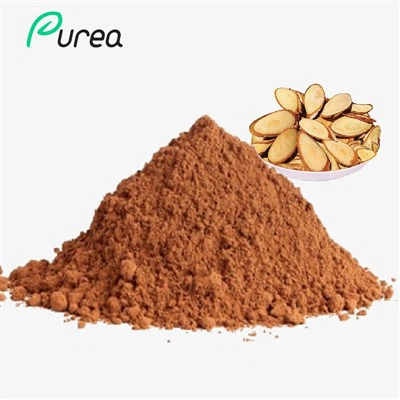
In today's rapidly expanding market for plant-based superfoods and green nutritional supplements, alfalfa leaf powder has emerged as a highly valued botanical ingredient. Derived from the nutrient-dense leaves of Medicago sativa, alfalfa leaf powder is widely recognized for its rich profile of vitamins, minerals, antioxidants, and phytonutrients. Often referred to as a natural "green superfood," it is increasingly incorporated into dietary supplements, functional foods, detox formulas, and holistic wellness products.
The growing interest in alfalfa leaf powder benefits is closely tied to consumer demand for clean-label, plant-based nutrition. Naturally abundant in vitamin K, vitamin C, chlorophyll, flavonoids, and essential trace minerals, alfalfa leaf powder supports overall wellness in multiple ways. Research suggests it may contribute to cardiovascular health, antioxidant protection, digestive balance, and metabolic support, making it a versatile ingredient for modern health formulations.
As more consumers seek sustainable and nutrient-rich botanical solutions, organic alfalfa leaf powder continues to gain attention for its traditional herbal use combined with contemporary nutritional relevance. In this article, we explore the key health benefits of alfalfa leaf powder and why it is becoming a staple ingredient in natural health and superfood supplementation.
How does alfalfa support digestive health?
1. High Fiber Content Enhances Intestinal Motility
Alfalfa leaf powder is rich in dietary fiber, which plays a crucial role in supporting digestive health by promoting regular bowel movements and preventing constipation. Fiber adds bulk to the stool and helps stimulate the smooth muscles of the gastrointestinal tract, encouraging efficient transit through the intestines. This mechanism helps maintain normal digestive rhythm and reduces discomfort associated with irregularity. High-fiber ingredients like alfalfa are widely recommended in nutritional regimens aimed at improving overall gut function.
2. Prebiotic Effects and Gut Microbiota Modulation
Scientific research indicates that the fiber in alfalfa acts as a prebiotic substrate for beneficial gut bacteria. In animal studies, dietary alfalfa fiber increased the production of short-chain fatty acids (SCFAs) such as acetate, propionate, and butyrate through microbial fermentation in the large intestine. SCFAs serve as energy sources for colonocytes and help maintain gut barrier integrity, support immune function, and reduce incidence of digestive disturbances like diarrhea. This evidence suggests a positive impact of alfalfa fiber on microbial diversity and gut health.
3. Improving Gut Morphology and Digestive Efficiency
Experimental research in livestock, such as studies in hybrid ducks, shows that moderate supplementation of alfalfa can enhance intestinal villus height and crypt depth, indicating improved absorptive surface area in the small intestine. While this research is in animals, it demonstrates how high-quality plant fiber may influence gut structure in ways that support nutrient absorption and digestive performance.

4. Reducing Digestive Discomfort and Diarrhea
The prebiotic effects of alfalfa fiber have been linked to lower diarrhea incidence in animal models, likely through enhanced production of SCFAs and modulation of gut bacterial populations. By strengthening the beneficial bacterial community and fermentative activity, alfalfa fiber helps resist imbalances that can lead to gastrointestinal upset, making it a supportive ingredient in formulations aimed at digestive comfort.
5. Gastroprotective Properties
In addition to fiber-related benefits, ethanol extracts of Medicago sativa (alfalfa) have shown anti-ulcer activity in diabetic animal models, suggesting protective effects on gastric tissues and digestive mucosa. Although this research is preliminary and conducted in diabetic rats, it supports the traditional use of alfalfa in soothing digestive discomfort and maintaining a healthy gut lining.
6. Nutrient-Assisted Digestion and Absorption
Alfalfa leaf powder also provides digestive enzymes and micronutrients that may assist metabolic processes related to carbohydrate and nutrient breakdown. Some traditional sources note that enzymes in alfalfa may help break down complex foods more efficiently, potentially reducing bloating and improving overall digestion when included as part of a balanced diet.
7. Synergy With Overall Gut Health
Fibrous plant foods like alfalfa support hindgut fermentation-the microbial breakdown of fiber in the large intestine-leading to beneficial metabolic byproducts such as SCFAs, which are widely recognized for their role in sustaining a healthy digestive environment. By contributing both fiber and bioactive compounds, alfalfa leaf powder supports multiple components of digestive health, from motility to microbial balance.
Can alfalfa leaf powder help with detox support?
1. Chlorophyll and Binding of Toxins
Alfalfa leaf powder is rich in chlorophyll, the green pigment in plants that has been associated with natural detoxification processes. Chlorophyll can bind to certain toxins and support the body's effort to eliminate them, which is why alfalfa is often promoted as a botanical ingredient for internal cleansing and blood purification. Chlorophyll-rich foods are traditionally used in herbal detox protocols to support liver and blood health.
2. Antioxidant and Organ Protection
Scientific research supports the role of alfalfa extract in oxidative stress reduction and organ protection, which are important components of detoxification. An animal study demonstrated that alfalfa ethanolic extract elevated antioxidant enzyme activity (such as glutathione, catalase, and superoxide dismutase) and helped counteract tissue damage caused by heavy metal exposure in the liver and kidneys. This suggests that alfalfa's bioactive compounds may support the body's defense systems against toxin-induced oxidative damage.
3. Support for Liver Function
Although direct human clinical evidence is limited, preclinical studies indicate that alfalfa extract can improve markers of liver health under stress conditions. In rat models exposed to toxic agents (e.g., mercury chloride), alfalfa supplementation reduced signs of hepatic injury and improved antioxidant capacity. Since the liver is a central organ in biochemical detoxification processes, compounds that support liver resilience may indirectly assist detox pathways.
4. Chlorophyll and Gut Detox Influence
The high chlorophyll content in alfalfa also supports digestive tract cleansing, which is a key part of holistic detox strategies. By promoting bile flow and supporting regular bowel movements via fiber, alfalfa leaf powder may help reduce the re-absorption of waste products and support the body's natural elimination routes. Dietary components that assist gut motility often contribute to broader detox support.

5. Antioxidant Phytochemicals and Systemic Support
Beyond chlorophyll, alfalfa contains flavonoids, saponins, and phenolic compounds-natural antioxidants that can neutralize free radicals generated during detox processes. This antioxidant potential supports cellular health across multiple organ systems, helping maintain balance during metabolic processing and natural toxin exposure.
6. Nutrient-Dense Support for Detox Pathways
Alfalfa's broad spectrum of vitamins and minerals-including vitamins A, C, E, and K-may support enzymatic pathways involved in biochemical detoxification and antioxidant defense. Micronutrients are essential cofactors in liver enzymatic systems that process toxins, suggesting that nutrient-rich botanical powders can provide supportive nourishment during detox-oriented dietary patterns.
7. Holistic Nutritional Context
It's important to note that while alfalfa leaf powder may support aspects of the body's natural detoxification processes, it is not a medical detox solution on its own. Rather, its contribution is best understood as part of comprehensive nutritional and lifestyle approaches that support liver health, antioxidant defense, digestion, and healthy elimination.
Does alfalfa contain natural antioxidants?
1. Alfalfa's Phytochemical Composition
Medicago sativa, commonly known as alfalfa, is not just a nutrient-rich forage plant-it also contains a variety of natural antioxidant compounds. These include flavonoids, phenolic acids, saponins, and vitamins such as vitamin C and E, all of which contribute to its antioxidant capacity. The presence of these bioactive phytochemicals underpins many of alfalfa's proposed health benefits in both human nutrition and animal studies.
2. Flavonoids and Phenolic Compounds
One of the primary classes of antioxidants in alfalfa are flavonoids (e.g., quercetin, kaempferol) and phenolic acids (e.g., ferulic, caffeic acids). These compounds have multiple hydroxyl (–OH) groups, which enable them to neutralize free radicals by donating electrons or hydrogen atoms. The total phenolic content of alfalfa extracts has been positively correlated with measured antioxidant activity in laboratory assays, demonstrating that these compounds are functional contributors to its antioxidant profile.
3. In Vitro Antioxidant Activity
Laboratory studies using chemical models such as DPPH (2,2-diphenyl-1-picrylhydrazyl) radical scavenging and ABTS (2,2′-azinobis-3-ethylbenzothiazoline-6-sulfonic acid) assays have consistently shown that alfalfa leaf and seed extracts exhibit significant antioxidant activity. These assays measure a compound's ability to neutralize stable free radicals, and results typically demonstrate that alfalfa extracts can reduce radical concentrations in a dose-dependent manner, supporting its classification as a natural antioxidant source.
4. Antioxidant Effects in Biological Models
Beyond in vitro chemical assays, animal studies indicate that alfalfa antioxidants can function in vivo to support oxidative balance. For example, in studies where rodents were exposed to oxidative stressors, supplementation with alfalfa extract increased the activity of endogenous antioxidant enzymes such as superoxide dismutase (SOD) and catalase (CAT), while reducing markers of lipid peroxidation such as malondialdehyde (MDA). These findings suggest that alfalfa's antioxidant compounds can be biologically active in living systems, not just in isolated test tubes.
5. Vitamins and Minor Antioxidants
In addition to polyphenolics, alfalfa contains antioxidant vitamins such as vitamin C (ascorbic acid) and vitamin E (tocopherols). These micronutrients are well-established antioxidants that protect cellular components (e.g., lipids, proteins, DNA) from oxidative damage. Their presence alongside polyphenols enhances the overall antioxidant potential of alfalfa leaf powder and related extracts.

6. Synergistic Antioxidant Mechanisms
The antioxidant activity of alfalfa is thought to arise not from a single compound, but from the synergy of multiple phytochemicals acting together. Phenolics, flavonoids, saponins, and vitamins can interact to enhance free-radical scavenging and chelate metal ions that catalyze oxidative reactions. This multifaceted antioxidant mechanism may be more effective than any isolated compound alone.
7. Functional Implications for Health
Because oxidative stress is implicated in aging, inflammation, and metabolic disorders, the presence of natural antioxidants in alfalfa supports its inclusion in dietary supplements and functional foods aimed at promoting oxidative balance and general wellness. While human clinical trials are still emerging, preclinical evidence establishes a strong biochemical basis for alfalfa's antioxidant activity.
How does alfalfa contribute to mineral supplementation?
1. Rich Mineral Composition
Alfalfa (Medicago sativa) leaf powder is widely recognized for its dense mineral profile, which includes essential macro- and trace minerals such as calcium, magnesium, potassium, iron, zinc, and phosphorus. These minerals perform critical physiological roles in human health, including bone strength, nerve conduction, cellular metabolism, and enzyme activation. The presence of multiple minerals in a single botanical source makes alfalfa a valuable dietary supplement, particularly for individuals seeking plant-based mineral support.
2. Calcium Content and Bone Health
One of the most notable mineral contributions of alfalfa is its high calcium content. Calcium is a cornerstone mineral for bone formation and muscle contraction. Research indicates that alfalfa leaf tissue contains calcium levels comparable to many conventional dietary sources of the mineral, thus positioning alfalfa as a supportive ingredient in nutritional strategies aimed at maintaining bone strength and skeletal health. The mineral matrix in alfalfa also includes magnesium and phosphorus, which synergistically support calcium metabolism.
3. Magnesium for Metabolic Functions
Magnesium is another abundant mineral in alfalfa leaf powder. This mineral is essential for cellular energy production, protein synthesis, and dozens of enzymatic reactions. Magnesium also supports muscle relaxation, cardiovascular health, and nerve function. Because modern diets can be deficient in magnesium, plant sources like alfalfa contribute meaningfully to overall magnesium intake, especially in vegetarian and plant-forward dietary patterns.
4. Iron and Trace Mineral Support
Alfalfa also contains iron and other trace minerals, which are critical for oxygen transport (via hemoglobin) and various redox reactions in the body. Although plant-based iron (non-heme iron) is less bioavailable than heme iron from animal sources, consuming alfalfa within a balanced diet can contribute to overall iron intake. The presence of other minerals in alfalfa-such as zinc and manganese-further supports metabolic processes, immune function, and antioxidant enzyme systems.
5. Mineral Synergy and Bioavailability
Minerals in alfalfa do not act in isolation; rather, they exist in a natural synergistic matrix that may enhance absorption and utilization. For example, magnesium and phosphorus help regulate calcium metabolism, while trace minerals like zinc and copper support enzymatic pathways involved in mineral transport and function. This synergistic arrangement contrasts with single-mineral supplements, which can create imbalances when not paired with complementary nutrients.

6. Contribution to Electrolyte Balance
Alfalfa's potassium content also contributes to maintaining healthy fluid and electrolyte balance. Potassium supports normal blood pressure regulation, nerve impulse transmission, and muscle contraction. Combined with sodium, chloride, and other electrolytes from diet, plant-based potassium from sources like alfalfa helps maintain cellular homeostasis.
7. Supporting Overall Nutritional Density
Overall, alfalfa leaf powder enhances nutritional density by supplying a broad spectrum of minerals in a single botanical source. Its utility as a green superfood or supplement ingredient aligns with current consumer interest in whole-food-based nutrient support and clean-label formulations. When included in smoothies, green blends, capsules, or fortified foods, alfalfa contributes to daily mineral requirements while delivering additional vitamins, antioxidants, and phytonutrients.
Is alfalfa beneficial in daily nutritional formulations?
1. Nutrient-Dense Botanical Ingredient
Alfalfa (Medicago sativa) leaf powder is widely recognized for its nutrient density, making it a valuable addition to daily nutritional formulations. It naturally contains a rich spectrum of vitamins, minerals, phytonutrients, and antioxidants, which contribute to general health when consumed as part of a balanced diet. This broad nutrient profile supports its use in green superfood blends, daily wellness powders, and plant-based dietary supplements.
2. Support for Micronutrient Intake
Because alfalfa leaf powder contains key micronutrients like vitamin A, vitamin C, vitamin K, calcium, magnesium, and iron, it can help fill gaps in daily nutrient intake that many modern diets lack. Regular consumption in smoothies, meal replacement formulations, or capsules can provide consistent, whole-plant sourced micronutrient support. This is especially beneficial for individuals following vegetarian, vegan, or whole-food-focused lifestyles where nutrient density is prioritized.
3. Antioxidant Contribution to Daily Wellness
One of the reasons alfalfa is incorporated into daily nutritional products is its antioxidant capacity. Compounds such as flavonoids and phenolic acids help neutralize free radicals and support the body's endogenous defense systems. Regular intake of antioxidant-rich botanical ingredients, including alfalfa, may contribute to long-term oxidative balance and support overall wellness.
4. Digestive and Gut Support
The dietary fiber found in alfalfa leaf powder supports healthy digestive function. Fiber contributes to stool bulk, promotes regular bowel movements, and may help maintain a balanced gut microbiota. Including alfalfa in daily formulations such as green drinks or fiber blends can support gastrointestinal comfort and healthy digestion over time.
5. Contribution to Metabolic and Cardiovascular Health
Preclinical research suggests that alfalfa may have beneficial effects on lipid metabolism and cardiovascular markers when included consistently in dietary patterns. Saponins and phytosterols in alfalfa have been associated with modest improvements in cholesterol profiles in animal studies. While human clinical trials are limited, these findings support the inclusion of alfalfa in daily nutritional blends targeting metabolic wellness.

6. Natural, Clean-Label Ingredient Positioning
Alfalfa leaf powder aligns well with current consumer demand for natural, plant-based, and clean-label ingredients. Its recognizable herbal identity and long history of traditional use make it attractive for daily functional formulations marketed for overall health, detox support, and green nutrition. For brands focused on botanical wellness and transparency, alfalfa adds both functional value and consumer appeal.
7. Practical Formulation Flexibility
From a product development perspective, alfalfa leaf powder is versatile and easy to incorporate into a wide range of formats-such as powders, capsules, tablets, bars, and beverages-without negatively affecting taste or texture when used appropriately. Its compatibility with other superfood ingredients (e.g., spirulina, chlorella, wheatgrass) makes it a popular choice for comprehensive daily nutrition products.
Conclusion
In summary, Medicago sativa leaf powder stands out as a highly versatile botanical ingredient with broad nutritional relevance. From supporting digestive health through natural fiber content to contributing chlorophyll and phytonutrients associated with detox support, alfalfa offers multiple functional advantages within plant-based wellness strategies.
Its naturally occurring antioxidants, including flavonoids and phenolic compounds, help promote oxidative balance, while its rich spectrum of minerals such as calcium, magnesium, iron, and potassium enhances its value as a whole-food mineral source. These characteristics make alfalfa leaf powder particularly attractive for clean-label formulations, green superfood blends, and daily nutritional supplements.
As consumer demand continues to shift toward nutrient-dense, plant-derived ingredients, alfalfa leaf powder remains a practical and scientifically supported option for brands seeking to develop comprehensive daily wellness products grounded in natural nutrition.
Purea Biological is unwavering in its commitment to offering the highest-quality, pure, and natural plant extracts to customers across the globe. With a core focus on innovation, integrity, and excellence, we proudly remain at the forefront of the industry in plant extracts, fruit and vegetable powders, and peptide powders. Our relentless pursuit of research and development allows us to adapt to the evolving demands of our international clientele. Additionally, our strict quality control procedures ensure that every product we provide is dependable. As we continue to aspire to be the global leader in this field, we invite you to join us in our journey toward improved health and sustainable progress. For further information or inquiries, feel free to contact us at sales@pureabio.com. Together, let's create a healthier future!
References
1.Bora, K. S., & Sharma, A. (2011). Phytochemical and pharmacological potential of Medicago sativa. Journal of Ethnopharmacology, 138(2), pp. 287–293.
2.Choi, J., Lee, Y., Lee, J., & Park, W. (2020). In vitro antioxidant activities and phenolic compounds of alfalfa (Medicago sativa L.) sprouts. Food Science and Biotechnology, 29(4), pp. 477–484.
3.Adams, S., Xiangjie, K., Hailong, J., et al. (2019). Prebiotic effects of alfalfa (Medicago sativa) fiber on cecal bacterial composition, short-chain fatty acids, and diarrhea incidence in weaning piglets. RSC Advances, 9, pp. 13586–13599.
4.Chandra, P., Kaleem, M., Sachan, N., et al. (2023). Gastroprotective evaluation of Medicago sativa L. on experimental-induced ulcers in diabetic rats. Saudi Pharmaceutical Journal, 31(11), pp. 101815–101823.
5.PMC article (PubMed). The antioxidant effect of Medicago sativa L. ethanolic extract against mercury chloride toxicity. PubMed, pp. 1–7.
6.Ben Salem, H., Nefzaoui, A., & Hassouna, M. (1994). Chemical composition and nutritive value of alfalfa leaves. Animal Feed Science and Technology, 46(1), pp. 39–45.
7.Cosentino, M., Tuberoso, C. I. G., Pisano, B., et al. (1999). In-vitro antioxidant activity and total phenolic content of Mediterranean dietary plants. Journal of Agricultural and Food Chemistry, 47(10), pp. 4579–4585.
8.Piccolella, S., Crescente, G., Balestrieri, F., et al. (2012). Phenolic compounds and antioxidant and anti-inflammatory activities in alfalfa (Medicago sativa L.). Food Chemistry, 133(2), pp. 413–420.