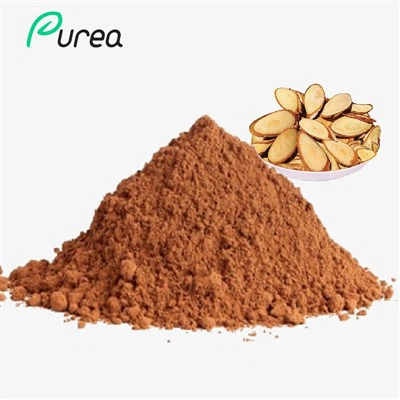
Wild Yam Extract Powder is a botanical ingredient derived from the roots of Dioscorea species, traditionally valued in herbal practices and increasingly recognized in modern wellness formulations. Known for its naturally occurring bioactive compounds-particularly steroidal saponins such as diosgenin-wild yam extract has become a popular choice in dietary supplements and functional health products designed to support overall well-being.
In recent years, growing consumer demand for plant-based, clean-label, and naturally sourced ingredients has driven the widespread adoption of Wild Yam Extract Powder across the global wellness market. Manufacturers and formulators favor this extract for its versatility, stability, and compatibility with a wide range of supplement formats, including capsules, tablets, powders, and functional blends. Unlike raw yam powders, standardized wild yam extracts offer consistent active compound levels, making them more suitable for professional-grade nutraceutical applications.
Wild Yam Extract Powder is especially prominent in wellness products targeting women's health, hormonal balance, metabolic support, and daily nutritional supplementation. Its long history of traditional use, combined with modern extraction and quality control techniques, positions it as a trusted botanical ingredient for brands seeking both efficacy and natural positioning. As health-conscious consumers continue to prioritize botanical solutions over synthetic alternatives, wild yam extract stands out as a reliable and market-relevant ingredient in today's evolving wellness landscape.
What Is Wild Yam and How Is the Extract Powder Made?
1. Botanical Background and Origin of Wild Yam
Wild yam (Dioscorea genus) is a perennial climbing vine with fleshy, thick underground tubers rich in various active components. These native plants are mainly distributed in East Asia, North America, and temperate and subtropical regions, and are a traditional herbal medicine and food plant. Its dried tubers, as a raw material for both medicine and food, have been used in traditional medicine systems for a long time to regulate constitution and enhance physical strength.
2. Chemical Composition of Wild Yam
Wild yam tubers are rich in various phytochemicals, the most crucial of which are dioscin and its aglycone diosgenin. These components belong to the steroid saponin class and are widely studied in medicinal chemistry and nutrition. In addition, wild yam also contains polysaccharides, amino acids, and trace elements, providing a good raw material basis for subsequent extraction.
3. Extraction Principle: From Raw Material to Active Component Separation
The core objective of wild yam extract powder is to separate the biologically active dioscin components from the raw material and further concentrate the diosgenin into a stable powder. Traditional extraction usually employs solvent extraction, using mixed solvents such as water and ethanol to soak and extract the dried and crushed wild yam rhizomes, and then preparing a crude extract through processes such as filtration, concentration, and drying.

4. Standardization and Purification of Active Components
To ensure that the final product has stable active components, modern processes often involve standardization after extraction, such as using high-performance liquid chromatography (HPLC) to detect and control the diosgenin content. Depending on market demand, Wild Yam Extract Powder specifications can range from lower percentages of dioscin to high-purity 95% or higher diosgenin powder. High-purity specifications are common in functional ingredients and nutritional supplements.
5. Application of Modern Extraction Technologies
With the development of extraction technology, more and more modern methods are being used to improve the extraction efficiency and purity of diosgenin. For example, ultrasound-assisted, microwave-assisted, and various solvent optimization techniques can not only improve the extraction rate of components but also reduce the environmental impact and improve the quality and stability of the final product.
6. Final Powder Preparation Process
After obtaining the liquid extract containing the target components, spray drying or vacuum drying is performed to convert the active ingredients in the liquid into a dry and easily storable powder form. This powder can then be further formulated and applied according to its intended use (such as nutritional supplements, functional foods, or cosmetics).
7. Quality Control and Application Prospects
Standardized wild yam extract powder is not only widely used in nutritional and health products, but also applied in health foods, functional beverages, herbal supplements, and skincare products due to its standardized content, ease of formulation, and high stability. A strict quality control system (such as COA, HPLC verification, etc.) is crucial to ensuring product effectiveness and safety.
Which Active Compounds Are Found in Wild Yam Extract?
1. Main Active Ingredients: Dioscin and Diosgenin
The most core and noteworthy active components in wild yam extract are dioscin (steroidal saponins) and its hydrolyzed form, diosgenin. These components belong to the class of steroidal saponins, naturally present in the rhizomes of wild yam, and possess significant biological activity. Dioscin is a glycosidic form of saponin, while diosgenin is the steroidal sapogenin after the removal of the sugar moiety, and is an important indicator for evaluating the potency of many modern functional formulations. These components in wild yam extract are usually quantitatively controlled through high-performance liquid chromatography (HPLC) to ensure product consistency and standardization.
2. Multiple Steroidal Saponin Derivatives
In addition to diosgenin, wild yam also contains various steroidal saponin derivatives, including furostanol glycosides and spirostanol glycosides. For example, some phytochemical studies have isolated twelve different steroidal glycosides from wild yam rhizome extract, as well as some new steroidal saponin markers, indicating that wild yam has a complex saponin composition and may have potential in antibacterial and other activities.
3. Alkaloids and Phytosterols
Wild yam extract also contains alkaloids and phytosterols. Although present in lower amounts, these substances play a role in plant defense and cell membrane stability. Phytosterols have a structure similar to cholesterol in the human body and, in some formulations, help support nutrient absorption and regulation. Alkaloid compounds may participate in some secondary metabolic activities, contributing to complex and diverse biological responses to the overall plant extract's efficacy.
4. Tannins and Polysaccharides
Wild yam also contains small amounts of tannins and polysaccharides. Tannins have certain antioxidant and antimicrobial activities, while polysaccharides may play a role in immune regulation, gut health support, and traditional pharmacological effects. Although present in lower concentrations compared to diosgenin, these components provide a richer phytochemical background to the overall complex effects of the extract.

5. Trace Amounts of Other Active Compounds
Further phytochemical studies show that wild yam extract contains some secondary metabolites different from saponins, including nitrogen-containing compounds and certain phenolic substances. The specific amounts and activities of these compounds may vary depending on the species, origin, and extraction process, but together they constitute the complex chemical profile of wild yam, providing broader potential for its application in health products.
6. Synergistic Effects with Phytonutrients
Overall, these components contained in wild yam extract not only exist as single components but may also produce synergistic effects in formulations. Diosgenin and its derivatives, phytosterols, alkaloids, tannins, polysaccharides, and other active substances collectively form the chemical basis of wild yam extract powder, providing multi-level support for its application in functional health foods and herbal formulations.
How Does Wild Yam Extract Differ from Common Yam Powder?
1. Differences in Raw Material Type and Intended Use
"Wild Yam" typically refers to extracts of *Dioscorea villosa* or *Dioscorea opposita*, used in health formulations and functional products. Ordinary "yam powder," on the other hand, is a food ingredient made by directly crushing edible yam tubers (such as *Dioscorea opposita*). Ordinary yam powder emphasizes dietary nutrition and edible value, and can be used in cooking or traditional tonic foods; while wild yam extract powder's value lies in its standardized content of active ingredients, making it more suitable for nutritional supplements and functional product development.
2. Differences in Active Ingredient Concentration and Standardization
Wild yam extract powder concentrates key active ingredients such as steroidal saponins and diosgenin through modern extraction processes. These components are often considered related to hormone precursors and anti-inflammatory effects, and are important indicators in functional formulations. Ordinary yam powder mainly contains polysaccharides, starch, dietary fiber, vitamins, and minerals. While it may also contain small amounts of steroidal saponins, the concentration is far lower than that of the extract. Wild yam extract powder is usually standardized according to the percentage of diosgenin (e.g., 16%, 20%, 95%) to ensure consistent product efficacy.
3. Different Emphasis on Efficacy
Due to the differences in active ingredients, wild yam extract powder is typically used in functional products that support hormone regulation, anti-inflammatory effects, immune modulation, and metabolic support – the application direction of modern nutrition and health products. In contrast, ordinary yam powder, as a traditional food ingredient, is valued more for its dietary nutrition, antioxidant properties, blood sugar regulation, and support for gut health, falling within the category of daily dietary supplements. Relevant research indicates that yam powder is rich in starch, polysaccharides, and antioxidant active substances, and is widely used in traditional functional foods.
4. Differences in Processing Technology and Stability
The production of wild yam extract powder requires rigorous steps such as extraction, concentration, purification, and standardization, especially the control of active ingredients such as diosgenin. This ensures the purity and stability of the final raw material. Ordinary yam powder, however, usually only undergoes food-grade processes such as washing, slicing, drying, and crushing, mainly retaining the original nutritional components without emphasizing specific active ingredient standards. The differences in processing objectives and processes lead to significant differences in product specifications and consistency between the two.

5. Distinct Application Scenarios
Wild yam extract powder, due to its high concentration of active ingredients, is typically used in specialized applications such as dietary supplements, functional beverages, fortified foods, and herbal formulations; while ordinary yam powder is more suitable for everyday cooking, traditional nourishing foods, pastries, and beverages that require basic nutrition and texture. For a long time, yam has been used in traditional medicine as a food and medicine source, while the extract powder plays a more targeted functional role in modern products.
6. Different Nutritional Focus
Ordinary yam powder retains the comprehensive nutritional structure of the tuber, including high-quality starch, dietary fiber, protein, vitamin C, and various minerals, making it suitable as a source of balanced nutrition. Wild yam extract powder is designed to concentrate active ingredients, and its nutritional basis relies more on saponin compounds and specific bioactive substances to support specific health benefits. Ordinary yam powder is suitable for overall nutritional supplementation, while the extract powder is geared towards specific functional needs.
7. Safety and Scientific Evidence Basis
Modern safety assessments indicate that wild yam extract powder, when produced under standardized processes, can be safely used in cosmetic and supplement formulations, but its specific health benefits still require more clinical research evidence. Ordinary yam powder, as a food, has a long history of widespread use, and its nutrition and safety have been verified through long-term consumption. There are also differences between the two in terms of scientific evidence basis and regulatory attitudes.
Why Is Wild Yam Popular in Herbal Supplements?
1. Historical Legacy of Traditional Herbal Medicine
Wild yam (Dioscorea villosa) has a long history of use in traditional herbal medicine in North America and around the world to alleviate menstrual discomfort, digestive problems, and inflammation-related symptoms. Its roots and rhizomes were commonly used in remedies by indigenous peoples and ancient medicinal cultures. Based on the plant's natural properties and wide range of uses, it gradually spread into the field of herbal supplements, providing a cultural and historical foundation for modern consumers to accept this plant.
2. Research Focus on the Key Active Ingredient–Diosgenin
Wild yam extract is rich in steroidal saponins, the most notable of which is diosgenin. Although the human body cannot convert diosgenin into hormones, it is used as a precursor for steroid drugs such as estrogen and progesterone in in vitro extraction and drug synthesis. This unique chemical property has led to significant interest in wild yam components from the nutrition and pharmaceutical industries, thus driving its research and application as an herbal supplement.
3. Growing Consumer Demand for Natural Alternatives
With increasing attention to healthy lifestyles, more and more consumers are choosing plant-based and naturally sourced herbal supplements, especially when experiencing menopause or seeking "alternative health solutions." Wild yam extract powder, as an "herbal alternative," caters to this consumer trend for non-synthetic, non-pharmaceutical products, a consumer psychology that is becoming increasingly evident in the global market.
4. Promotion and Application in Women's Health
Wild yam extract is often marketed in the nutritional supplement market in conjunction with themes supporting women's health and menopausal comfort. Although clinical research on its effectiveness in alleviating menopausal symptoms such as hot flashes, mood swings, and night sweats is still insufficient, some consumers and herbal practitioners still consider it a natural option, driving its popularity in this niche market.
5. Traditional Applications Extended to Anti-inflammatory and Soothing Potential
Wild yam is also attracting attention for its anti-inflammatory and antispasmodic effects. Experimental studies have shown that wild yam extract or its components may have a mitigating effect on inflammatory responses and muscle spasms in in vitro models, leading to its inclusion as a "soothing aid" ingredient in some herbal formulations for joint health or digestive support products.

6. Market Trends in Functional Product Formulations
The modern nutritional supplement market emphasizes synergistic effects of complex formulations and standardized active ingredients. Wild yam extract powder, due to its ability to standardize diosgenin content through techniques such as high-performance liquid chromatography, is easier to incorporate into standard formulations and dosage control. This controllability and consistency is a key reason why manufacturers of functional supplements favor this type of ingredient when developing products.
7. Impact of Marketing and Consumer Perception
Despite the lack of sufficient scientific evidence to support some traditional claims, wild yam extract has gained significant market attention due to marketing campaigns promoting it as a "natural hormone balance alternative" and "women's health support."Some fitness bloggers, nutrition experts, and brands promote wild yam through storytelling content, leading to widespread recognition among health-conscious consumers. This phenomenon further enhances its popularity in the health supplement market.
Conclusion
Overall, the widespread use of Wild Yam Extract Powder in the global health and wellness market stems from its clear botanical background, mature extraction process, and unique advantages in active ingredients. From the selection of wild yam as the raw material to the production of standardized extract powder using modern processes, wild yam extract significantly surpasses ordinary yam powder in terms of stability, functional consistency, and application flexibility, better meeting the requirements for controllable raw materials in professional health products.
Its natural active ingredients, such as diosgenin, not only have significant value in scientific research and pharmaceuticals but also secure its place in herbal supplements, women's health formulas, and comprehensive nutritional products. Furthermore, the long-standing use of wild yam in traditional herbal medicine provides a cultural and experiential foundation for its modern applications, further enhancing market acceptance.
In the current trend emphasizing plant-based, clean label, and functional nutrition, Wild Yam Extract Powder combines the advantages of natural origin and industrialized standard production, making it one of the preferred plant-based ingredients for brands and formulators. Whether viewed from the perspective of ingredient research, product differentiation, or changing consumer health concepts, wild yam extract demonstrates continuous development potential and is a functional plant ingredient worthy of long-term attention and application.
Purea Biological is unwavering in its commitment to offering the highest-quality, pure, and natural plant extracts to customers across the globe. With a core focus on innovation, integrity, and excellence, we proudly remain at the forefront of the industry in plant extracts, fruit and vegetable powders, and peptide powders. Our relentless pursuit of research and development allows us to adapt to the evolving demands of our international clientele. Additionally, our strict quality control procedures ensure that every product we provide is dependable. As we continue to aspire to be the global leader in this field, we invite you to join us in our journey toward improved health and sustainable progress. For further information or inquiries, feel free to contact us at sales@pureabio.com. Together, let's create a healthier future!
References
1.Lipidated Steroid Saponins from Dioscorea villosa (Wild Yam). Journal of Natural Products, PMC3935402, 2014, pp. 1–12.
2.Diosgenin: Chemistry, Extraction, Quantification and Health Benefits. ScienceDirect (Elsevier), 2022, pp. 1–10.
3.Final report of the amended safety assessment of Dioscorea villosa (Wild Yam) root extract. PubMed, 2004, pp. 1–7.
4.Cholestane steroid glycosides from the rhizomes of Dioscorea villosa. PubMed, 2013, pp. 1–6.
5.A Frontier Review of Nutraceutical Chinese Yam. Journal of Agricultural and Food Chemistry (PMC), 2006, pp. 85-99.
6.Semwal, P. et al. "Diosgenin: An Updated Pharmacological Review and Therapeutic Perspectives." Phytochemistry Reviews, PMC9168095, 2022, pp. 1–14.
7.Komesaroff, P. A., Black, C. V., Cable, V., Sudhir, K. "Effects of Wild Yam Extract on Menopausal Symptoms, Lipids and Sex Hormones in Healthy Women." Climacteric, 4(2), 2001, pp. 144–150.