


As a supplier of Mango Fruit Powder, I often get asked about the differences between fresh mango and mango fruit powder. Both forms of mango have their own unique characteristics, advantages, and use - cases. In this blog, I'll delve deep into the details to help you understand which one might be better suited for your needs.
Physical Characteristics
Fresh mangoes are a sight to behold. They come in various shapes, from oval to kidney - shaped, and their colors range from green to yellow, orange, and even red, depending on the variety and ripeness. When you hold a fresh mango in your hand, you can feel its firmness or softness, which indicates its ripeness level. The skin is smooth and shiny, and when you cut into it, you'll find juicy, fibrous flesh surrounding a large, flat pit.
On the other hand, mango fruit powder is a fine, dry substance. It has a powdery texture that can range from light yellow to deep orange, similar to the color of the mango flesh. It is easy to pour and measure, and it can be stored in a dry container without the need for refrigeration (although proper storage in a cool, dry place is still recommended to maintain its quality).
Nutritional Content
Both fresh mangoes and mango fruit powder are rich in essential nutrients. Fresh mangoes are an excellent source of vitamin C, which is crucial for a healthy immune system, skin health, and iron absorption. They also contain vitamin A, which is important for vision, and dietary fiber, which aids in digestion. Additionally, fresh mangoes have a small amount of B - vitamins, potassium, and antioxidants such as polyphenols and carotenoids.
Mango fruit powder retains most of the nutritional value of fresh mangoes. During the powder - making process, the mangoes are typically dried and then ground into a powder. While some heat - sensitive vitamins like vitamin C may experience a slight reduction in quantity, most of the other nutrients are preserved. For example, the carotenoids, which are responsible for the yellow - orange color of mangoes and have antioxidant properties, remain relatively stable. Moreover, mango fruit powder can be a convenient way to consume these nutrients, especially when fresh mangoes are out of season.
Shelf Life and Storage
One of the most significant differences between fresh mangoes and mango fruit powder lies in their shelf life and storage requirements. Fresh mangoes are highly perishable. Once they are ripe, they need to be consumed within a few days to avoid spoilage. If you want to extend their shelf life, you can store them in the refrigerator, but this may affect their texture and flavor.
Mango fruit powder, however, has a much longer shelf life. When stored properly in an air - tight container in a cool, dry place, it can last for up to two years. This makes it a great option for those who want to have access to mango flavor and nutrients year - round, regardless of the mango season. It also eliminates the need for constant trips to the grocery store to buy fresh mangoes.
Flavor and Aroma
Fresh mangoes offer an intense, natural flavor and aroma. When you take a bite of a ripe mango, you are greeted with a burst of sweet, tropical flavor that is hard to replicate. The aroma is also very distinct and can fill a room. The flavor can vary depending on the variety of mango, with some being more tangy and others being sweeter.
Mango fruit powder provides a concentrated mango flavor. While it may not have the exact same fresh - off - the - tree taste as a real mango, it still delivers a strong and consistent mango flavor. The powder can be used to add mango flavor to a variety of products, and because it is concentrated, a little goes a long way.

Culinary Uses
Fresh mangoes are incredibly versatile in the kitchen. They can be eaten raw as a snack, added to fruit salads, used in smoothies, or made into desserts such as mango sorbet, mango cheesecake, and mango sticky rice. They can also be used in savory dishes, like mango salsa to pair with grilled chicken or fish.
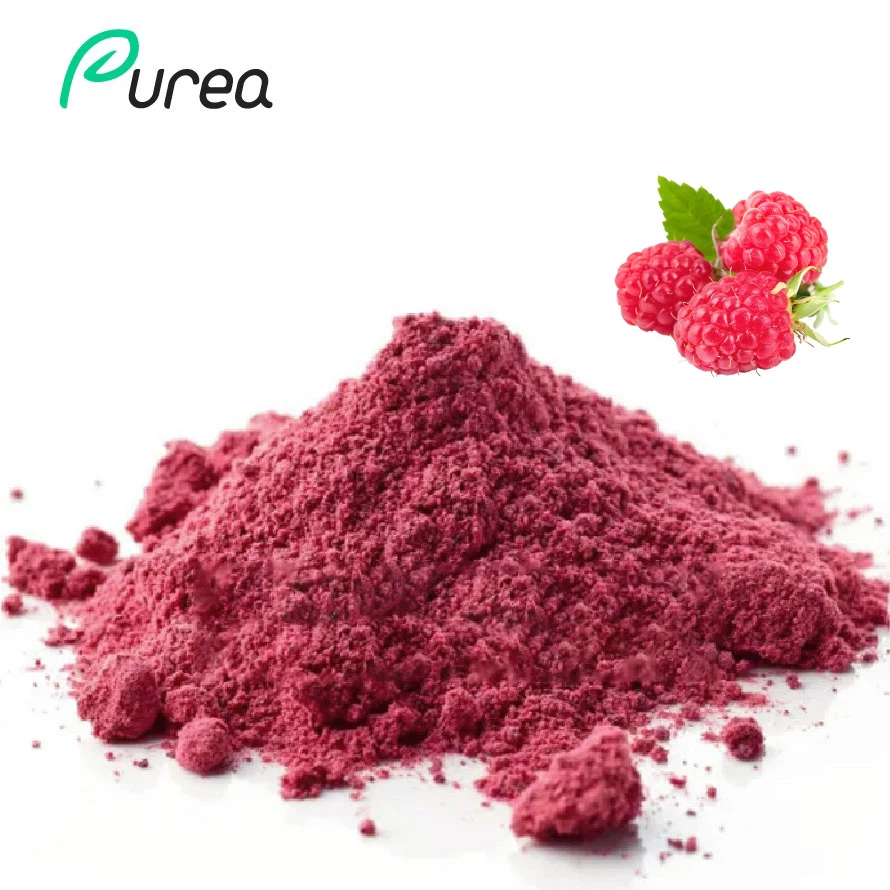
Mango fruit powder is equally versatile but in a different way. It can be easily incorporated into dry mixes, such as pancake or muffin batters, to add a mango flavor. It is also a popular ingredient in the beverage industry, used to make mango - flavored drinks, including smoothies, milkshakes, and iced teas. Moreover, it can be used in the production of confectionery, like gummies and chocolates. You can also find it in some health supplements. If you're interested in exploring more fruit powders, you can check out our Raspberry Juice Powder and Passion Fruit Juice Powder.
Cost - effectiveness
The cost - effectiveness of fresh mangoes and mango fruit powder can vary depending on several factors. Fresh mangoes can be expensive, especially when they are out of season or imported from far - away regions. You also need to consider the waste factor, as you may end up throwing away the pit and some of the fibrous parts.
Mango fruit powder, on the other hand, can be more cost - effective in the long run. Since it has a long shelf life, you can buy it in bulk and use it as needed. It also eliminates the waste associated with fresh mangoes, as you use the entire powder. Additionally, the transportation and storage costs for powder are generally lower than those for fresh produce.
Conclusion
In conclusion, both fresh mangoes and mango fruit powder have their own strengths. Fresh mangoes are perfect for those who enjoy the natural, juicy experience of eating a real fruit and want to use them in a variety of fresh - based recipes. Mango fruit powder, on the other hand, offers convenience, a long shelf life, and a concentrated flavor, making it ideal for food manufacturers, home bakers, and those who want to have access to mango flavor year - round.
If you're interested in purchasing high - quality Mango Fruit Powder, feel free to reach out for more information and to start a procurement discussion. I'm here to assist you in finding the best mango fruit powder solution for your needs.
References
- USDA National Nutrient Database for Standard Reference
- Journal of Food Science and Technology on the preservation of nutrients in fruit powders
- Various industry reports on the use of fruit powders in the food and beverage industry


