


Beetroot powder extract has gained significant popularity in recent years due to its numerous health benefits and versatile applications. As a leading supplier of beetroot powder extract, I am often asked about its origin. In this blog post, I will delve into the fascinating history and scientific process behind beetroot powder extract.
The Botanical Origin of Beetroot
Beetroot, scientifically known as Beta vulgaris, is a root vegetable that belongs to the Amaranthaceae family. It is believed to have originated in the Mediterranean region, where it was first cultivated for its leaves rather than its roots. Over time, selective breeding led to the development of varieties with larger, more flavorful roots, which became the focus of cultivation.
Beetroot has a long and rich history of human consumption. Ancient Egyptians, Greeks, and Romans valued beets for their medicinal properties and used them to treat a variety of ailments, including fevers, digestive problems, and blood disorders. In medieval Europe, beets were grown primarily for their leaves, which were used as a vegetable, while the roots were often discarded. It wasn't until the 18th century that beets began to be cultivated specifically for their sugar content, leading to the development of the sugar beet.
The Process of Extracting Beetroot Powder
The process of creating beetroot powder extract begins with the careful selection of high-quality beets. Only beets that are free from diseases, pests, and other contaminants are chosen for extraction. Once the beets are harvested, they are thoroughly washed to remove any dirt or debris.
The next step is to slice the beets into small pieces to increase the surface area for extraction. The sliced beets are then subjected to a process called extraction, which involves using a solvent to separate the desired compounds from the plant material. In the case of beetroot powder extract, water is often used as the solvent due to its safety and effectiveness.
During the extraction process, the sliced beets are immersed in water and heated to a specific temperature for a set period of time. This allows the water to dissolve the soluble compounds in the beets, such as vitamins, minerals, antioxidants, and pigments. The resulting liquid, known as the extract, is then separated from the solid plant material using a filtration process.
After the extraction is complete, the liquid extract is concentrated to remove the excess water. This is typically done using a process called evaporation, where the extract is heated under reduced pressure to remove the water without damaging the delicate compounds in the extract. The concentrated extract is then spray-dried to convert it into a fine powder.
The Composition of Beetroot Powder Extract
Beetroot powder extract is a rich source of various nutrients and bioactive compounds that contribute to its health-promoting properties. Some of the key components of beetroot powder extract include:
- Nitrates: Beetroot is one of the richest dietary sources of nitrates, which are converted into nitric oxide in the body. Nitric oxide is a powerful vasodilator that helps to relax and widen blood vessels, improving blood flow and reducing blood pressure.
- Antioxidants: Beetroot contains a variety of antioxidants, such as betalains, vitamin C, and flavonoids, which help to protect the body against oxidative stress and damage caused by free radicals. These antioxidants have been shown to have anti-inflammatory, anti-cancer, and anti-aging effects.
- Vitamins and Minerals: Beetroot is a good source of several vitamins and minerals, including vitamin C, vitamin B6, folate, potassium, and manganese. These nutrients play important roles in various bodily functions, such as immune function, energy metabolism, and bone health.
- Fiber: Beetroot is also a good source of dietary fiber, which is important for maintaining a healthy digestive system. Fiber helps to promote regular bowel movements, prevent constipation, and reduce the risk of certain diseases, such as heart disease and diabetes.
Health Benefits of Beetroot Powder Extract
The unique composition of beetroot powder extract gives it a wide range of health benefits. Some of the most notable health benefits of beetroot powder extract include:
- Improved Athletic Performance: The nitrates in beetroot powder extract have been shown to improve athletic performance by increasing blood flow to the muscles, reducing oxygen consumption, and enhancing endurance. This makes beetroot powder extract a popular supplement among athletes and fitness enthusiasts.
- Lowered Blood Pressure: The nitric oxide produced from the nitrates in beetroot powder extract helps to relax and widen blood vessels, which can lead to a reduction in blood pressure. Several studies have shown that consuming beetroot juice or powder extract can significantly lower both systolic and diastolic blood pressure.
- Enhanced Cognitive Function: The antioxidants and nitrates in beetroot powder extract have been shown to improve cognitive function by increasing blood flow to the brain, reducing oxidative stress, and protecting against neurodegenerative diseases.
- Reduced Inflammation: The antioxidants and anti-inflammatory compounds in beetroot powder extract help to reduce inflammation in the body, which is a common underlying factor in many chronic diseases, such as heart disease, cancer, and diabetes.
- Improved Digestive Health: The fiber in beetroot powder extract helps to promote regular bowel movements, prevent constipation, and maintain a healthy digestive system. Additionally, the prebiotic properties of beetroot fiber can help to support the growth of beneficial bacteria in the gut.
Applications of Beetroot Powder Extract
Beetroot powder extract is a versatile ingredient that can be used in a variety of applications. Some of the most common uses of beetroot powder extract include:
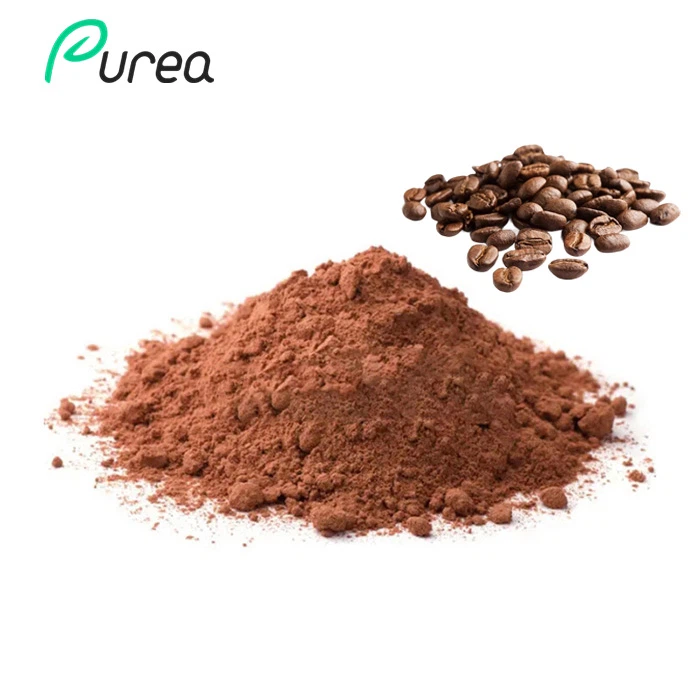

- Food and Beverage Industry: Beetroot powder extract is often used as a natural food coloring agent in the food and beverage industry. It can be used to add a vibrant red color to products such as juices, smoothies, yogurt, ice cream, baking goods, and confectionery. Additionally, beetroot powder extract can be used to enhance the flavor and nutritional value of these products.
- Nutraceutical Industry: Due to its numerous health benefits, beetroot powder extract is widely used in the nutraceutical industry to produce dietary supplements, functional foods, and beverages. These products are often marketed as natural alternatives to traditional medications for improving athletic performance, lowering blood pressure, enhancing cognitive function, and reducing inflammation.
- Cosmetics Industry: The antioxidants and anti-inflammatory properties of beetroot powder extract make it a popular ingredient in the cosmetics industry. It can be used in skincare products, such as creams, lotions, and masks, to help protect the skin against oxidative stress, reduce inflammation, and improve skin tone and texture.
Other Related Products
In addition to beetroot powder extract, we also offer a range of other high-quality fruit and vegetable powders, including Cocoa Powder Pure, Grape Fruit Seed Powder, and Coconut Fruit Powder. These products are also rich in nutrients and bioactive compounds and can be used in a variety of applications.
Contact Us for Procurement
If you are interested in purchasing beetroot powder extract or any of our other products, please feel free to contact us for more information. We are committed to providing our customers with the highest quality products at competitive prices. Our team of experts is available to answer any questions you may have and to help you find the right products for your needs.
References
- Borlinghaus, B., Albrecht, C., & Schliemann, S. (2014). Health effects of nitrates and nitrites in diet. Nutrition Journal, 13(1), 100.
- Ferguson, L. R., & Harris, P. J. (2012). Dietary nitrate and nitrite in human health and disease. Nature Reviews Cancer, 12(10), 745-754.
- Grassi, D., Necozione, S., Lippi, C., et al. (2009). Effect of chronic dietary nitrate supplementation on blood pressure in healthy volunteers. Hypertension, 54(3), 548-553.
- Ried, K., Sullivan, T., Fakler, P., & Stocks, N. (2013). Effect of beetroot juice on blood pressure: a meta-analysis. American Journal of Hypertension, 26(7), 788-795.
- Wu, X., & Prior, R. L. (2005). Antioxidant capacity and phenolic composition of selected beet (Beta vulgaris L.) varieties. Journal of Agricultural and Food Chemistry, 53(11), 4491-4496.


