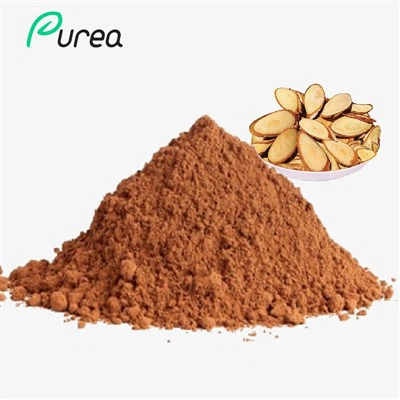
Breakfast is often hailed as the most important meal of the day, and for good reason. What we consume in the morning sets the tone for our energy levels, metabolism, and even mental focus throughout the day. Recently, almond powder has emerged as a popular addition to breakfast routines, touted for its impressive nutritional profile. Packed with high-quality plant protein, heart-healthy monounsaturated fats, fiber, vitamins like vitamin E, and essential minerals such as magnesium and calcium, almond powder is more than just a trendy ingredient-it's a potential nutritional powerhouse.
But the question remains: can adding almond powder to your breakfast truly make you healthier? Scientific studies suggest that regular consumption of almonds or almond products may support heart health, improve blood sugar control, aid digestion, and even contribute to weight management. Beyond the measurable health benefits, almond powder also offers versatility in the kitchen, easily incorporated into smoothies, oatmeal, yogurt, pancakes, or baked goods without drastically altering taste or texture.
In this article, we'll dive deeper into the health benefits of almond powder, explore how it interacts with your body when consumed in the morning, and provide practical tips for incorporating it into your breakfast in delicious and effective ways. Whether you're looking to boost energy, support weight management, or simply make your morning meal more nutritious, understanding the potential impact of almond powder can help you make smarter, healthier choices.
Nutritional Analysis of Almond Powder: Why Adding It to Breakfast is More Beneficial
1. Nutritional Density and Composition of Almond Flour
Almond flour is made from almonds, retaining the rich nutrients naturally found in almonds, including high-quality plant protein, abundant unsaturated fatty acids, dietary fiber, vitamin E, magnesium, and other key nutrients. Studies show that every 30 grams of almonds (about a small handful) provides approximately 6 grams of protein, 4 grams of fiber, approximately 7.3–7.7 mg of vitamin E, and significant amounts of minerals such as magnesium and potassium. These components are particularly important for maintaining basal metabolism and immune function.
2. The Advantages of Plant Protein and Satiety
Breakfast is a crucial time to kickstart the day's energy metabolism, and plant protein not only provides a prolonged feeling of fullness but also helps maintain muscle mass and promote stable blood sugar levels. The approximately 6 grams of protein (from plants) in almond flour, combined with abundant fiber, helps slow gastric emptying, increases satiety, and reduces extra calorie intake before noon, which is crucial for weight management and overall energy balance.
3. Healthy Fats and Cardiovascular Protection
Almond flour contains a large amount of monounsaturated fatty acids, which have a positive effect on cardiovascular health. Numerous randomized controlled trials and systematic reviews have found that regular almond consumption helps lower "bad" low-density lipoprotein (LDL) cholesterol while helping to maintain or slightly increase "good" high-density lipoprotein (HDL) levels, thereby reducing the risk of cardiovascular disease.

4. Potential Contribution to Glycemic Control
The high fiber and healthy fats in almond powder can slow down the digestion and absorption of carbohydrates, resulting in a more gradual rise in postprandial blood sugar. This is particularly important for people with diabetes or unstable blood sugar regulation; some studies indicate that dietary interventions containing almonds may improve insulin sensitivity and glycemic control indicators in diabetic patients, although the specific effects may vary from person to person.
5. Antioxidant Effects and Cell Protection
Almonds are rich in vitamin E (α-tocopherol), a powerful fat-soluble antioxidant that helps neutralize free radicals and reduce oxidative stress damage to cells. Long-term oxidative stress is closely related to aging, chronic inflammation, and the development of various chronic diseases. Therefore, adding almond powder to breakfast not only supplements nutrition but may also provide additional health benefits such as anti-inflammatory and antioxidant effects.
6. Comprehensive Effects of Micronutrients
Besides protein and fat, almond flour contains a variety of micronutrients such as magnesium, potassium, calcium, and B vitamins. These components play a crucial role in energy metabolism, muscle and nerve function maintenance. Magnesium, in particular, is essential in over 300 physiological responses, including blood sugar regulation and blood pressure control-all important factors affecting overall health.
7. Practicality and Dietary Compatibility
Almond flour has a wide range of applications in breakfast. It can be added to oatmeal, yogurt, smoothies, whole-wheat pancakes, and many other foods, not only increasing nutrient density but also adding texture and flavor to breakfast while maintaining convenience and variety. This flexible approach makes almond flour an ideal ingredient for enhancing the quality of daily breakfasts.
A spoonful of almond powder every day can lead to 5 major changes in the body
1. Improves Blood Lipid Levels and Cardiovascular Health
Almonds (and their powdered form) are rich in monounsaturated fatty acids, dietary fiber, and antioxidants, components that have been extensively studied and proven to help optimize blood lipid profiles. A meta-analysis of systematic randomized controlled trials showed that regular almond consumption significantly reduced total cholesterol (TC), low-density lipoprotein cholesterol (LDL-C), and triglycerides (TAG), which is significant for reducing the risk of cardiovascular disease. Moderate daily intake of almond powder can be part of a cardiovascular-healthy diet.
2. Helps Regulate Blood Sugar and Insulin Response
The low glycemic index of almonds, combined with their high fiber and healthy fat content, results in a more gradual rise in postprandial blood sugar, helping to stabilize blood sugar levels. Clinical studies have demonstrated that incorporating almonds into the diet can reduce fasting glucose and insulin resistance, an effect particularly important for blood sugar regulation and preventing the risk of type 2 diabetes.
3. Enhances Satiety and Supports Weight Management
Although almond powder is relatively high in calories, its high fiber and protein content, compared to other high-carbohydrate foods, prolongs satiety and reduces overall calorie intake. A systematic review study indicated that almond consumption can help improve satiety and promote energy control, without leading to weight gain even under isocaloric diet conditions.

4. Reduced Inflammation and Oxidative Stress
Almonds are rich in vitamin E and polyphenolic antioxidants, which neutralize free radicals in the body and reduce oxidative damage. A comprehensive review showed that almond intake was associated with a decrease in oxidative stress markers, which is significant for reducing the risk of chronic low-grade inflammation and chronic diseases such as cardiovascular disease and metabolic syndrome.
5. Support for Gut Health and Metabolic Function
A recent consensus indicates that the dietary fiber and other phytochemicals in almonds are expected to improve the gut microbiota, promote the growth of beneficial bacteria, and increase the production of short-chain fatty acids (such as butyrate). This not only benefits intestinal barrier function but may also indirectly support overall metabolic health. Although the specific mechanisms still require further research, preliminary evidence suggests that almond intake is associated with improved gut health.
6. Comprehensive Nutritional Effects and Practical Applications
In addition to the above functions, almond powder also provides key minerals such as magnesium, potassium, and calcium, which play a supporting role in bone health, neuromuscular function, and overall metabolic health. As a breakfast supplement, almond powder can be paired with oats, yogurt, smoothies, etc., which not only increases nutrient density but also enhances sustained post-meal energy release and overall nutritional quality.
Do you know the effects of almond powder on blood sugar and energy?
1. Nutritional Characteristics and Low Glycemic Index of Almond Powder
Almond powder is primarily derived from whole almonds, retaining high levels of monounsaturated fatty acids, dietary fiber, plant protein, magnesium, and vitamin E. This nutritional combination gives almond powder a low glycemic index (GI) and low glycemic load (GL), helping to slow the rate at which glucose enters the bloodstream from the intestines, resulting in a more gradual and gentle rise in blood sugar after ingestion, rather than a sharp spike.
2. Consuming Almond Powder Before/During Meals Helps Stabilize Postprandial Glucose
Multiple clinical trials have shown that incorporating almonds or almond powder as part of a meal before or during meals can reduce postprandial glucose spikes. In a randomized crossover study in India, subjects who consumed 20 grams of almonds 30 minutes before their main meal showed significantly lower area under the postprandial glucose curve (AUC), indicating more stable glucose management.
3. Long-Term Effects of Moderate Intake on Insulin and Glycemic Control
Some long-term dietary intervention studies have shown that a diet containing almonds has a positive effect on insulin sensitivity and glycemic control. For example, in subjects with type 2 diabetes, replacing part of their calorie intake with ~60 grams of almonds resulted in lower fasting blood glucose and insulin resistance (HOMA-IR), suggesting potentially improved insulin efficiency. This effect is often more pronounced when combined with a healthy dietary pattern.
4. Mechanism of Action on Energy Metabolism and Sustained Energy Release
Almond powder is rich in protein, fat, and fiber, all of which have a "slow-release" property during digestion. Compared to a high-carbohydrate breakfast, this slow digestion and absorption not only reduces blood glucose spikes but also provides a more stable energy supply, avoiding the hunger and energy fluctuations caused by rapid blood glucose spikes and subsequent drops, helping to maintain energy levels throughout the day.

5. Important Considerations for Energy Density and Calorie Management
While almond powder has potential benefits for blood sugar, its high calorie density should be noted. Excessive intake without reducing calorie intake from other sources can increase total energy intake and potentially affect weight and insulin sensitivity. Studies have indicated that long-term high nut intake may reduce insulin sensitivity in some individuals without adjusting the overall dietary structure.
6. Recommendations and Practical Application Guidelines
In summary, moderate intake of almond powder (e.g., as part of breakfast, a pre-meal snack, or combined with carbohydrates) has a positive effect on blood sugar control and energy homeostasis. However, attention should be paid to overall dietary balance, and excessive intake should be avoided. Especially for individuals at high risk of diabetes or insulin resistance, collaborating with nutritionists and medical professionals to develop a personalized dietary plan is more prudent.
Can almond powder help reduce fat and control weight?
1. Nutritional Components and Metabolic Basis of Almond Powder
Almond powder is made from whole almonds, retaining plant protein, unsaturated fatty acids, dietary fiber, vitamin E, and minerals (such as magnesium). These nutrients provide the body with healthy fats and proteins, and the high fiber content helps increase satiety, slows digestion and absorption, thereby reducing food intake and inhibiting excessive energy intake. The combination of protein and fat increases the energy density of the diet, and since overall energy absorption is not entirely the same as the calorie label, this may have a positive effect on weight management.
2. How Almond Powder Increases Satiety and Reduces Total Energy Intake
Multiple randomized controlled trials have found that, under the same energy conditions, when snacks or meals are replaced with almonds (or almond powder) instead of high-carbohydrate foods, subjects often experience stronger satiety and appetite suppression. This effect may reduce overall daily energy intake because people naturally reduce their intake of other foods after consuming almond powder, forming an energy substitution or compensation mechanism.
3. Specific Effects on Body Fat and Abdominal Fat
Some long-term studies have focused on the effects of almond consumption on body fat and abdominal fat. In experiments conducted on an energy-restricted diet, the almond group showed a more significant reduction in total fat and abdominal fat compared to the control group without almonds, indicating that under certain conditions, almond powder, as a nutrient-dense food, can assist in fat reduction.
4. Effects of Almond Powder on Weight and BMI
While some studies show that almond intake can significantly reduce body fat mass and abdominal fat percentage, the overall effects on weight and body mass index (BMI) are often milder or insignificant. In some randomized controlled trials, under conditions of equal calorie intake, there was little difference in weight change between the two groups, but the almond group showed an improvement trend in metabolic indicators such as body fat distribution. This suggests that almond powder may play a more significant role in improving body composition rather than simply reducing weight.

5. Mechanism Exploration-Energy Compensation and Fat Absorption
Researchers propose that the satiety properties and high fiber content of almond powder can enhance satiety signals and reduce postprandial energy intake; in addition, the structure of almond cell walls makes some fats difficult to completely digest and absorb, thereby reducing net energy utilization. This "energy compensation" phenomenon may partially explain why consuming high-fat, nutrient-dense almonds does not lead to weight gain, and even promotes slight weight loss in some studies.
6. As part of a comprehensive dietary strategy
It is important to emphasize that relying solely on almond powder will not achieve magical weight loss results. Best practice remains to incorporate almond powder into a holistic healthy diet, combining it with calorie control, balanced nutrition, and sufficient exercise. As a high-fiber, high-protein alternative or supplement, almond powder can help improve dietary quality, improve insulin sensitivity, and stabilize post-meal glucose and satiety, thereby supporting body fat control during long-term dietary adjustments.
Conclusion
At the end of the day, the question of whether adding almond powder to breakfast truly boosts your health isn't just about a single ingredient-it's about embracing small, intentional choices that weave nutrition into the rhythm of daily life. What makes almond powder such a standout breakfast addition isn't some overnight magic, but its quiet, consistent nutritional power: a blend of healthy fats, plant-based protein, fiber, and key vitamins and minerals that work in harmony to fuel your body from the first meal of the day. Through its role in stabilizing blood sugar, sustaining steady energy levels, supporting satiety for weight management, and driving those subtle yet meaningful bodily changes over time, it transforms a simple breakfast into a nutrient-dense foundation for your day. It's not a replacement for a balanced diet, nor a quick fix for health goals, but a delicious, versatile ally that fits seamlessly into smoothies, oatmeal, yogurt, or even baked breakfast treats-making it easy to turn healthy eating into a habit, not a chore. So the next time you prep your morning meal, reach for that spoonful of almond powder. It's more than just a tasty add-in; it's a small step toward nurturing your body, one breakfast at a time. And as those small steps add up, you'll find that the healthiest choices are often the ones that feel simple, sustainable, and deeply nourishing-exactly what almond powder brings to your morning routine. Here's to starting your days with a little extra nutrition, a lot of energy, and the quiet confidence that comes from feeding your body well.
Purea Biological is unwavering in its commitment to offering the highest-quality, pure, and natural plant extracts to customers across the globe. With a core focus on innovation, integrity, and excellence, we proudly remain at the forefront of the industry in plant extracts, fruit and vegetable powders, and peptide powders. Our relentless pursuit of research and development allows us to adapt to the evolving demands of our international clientele. Additionally, our strict quality control procedures ensure that every product we provide is dependable. As we continue to aspire to be the global leader in this field, we invite you to join us in our journey toward improved health and sustainable progress. For further information or inquiries, feel free to contact us at sales@pureabio.com. Together, let's create a healthier future!
References
1.Tan, S. Y., & Mattes, R. D. Appetitive, dietary and health effects of almonds consumed with meals or as snacks: a randomized, controlled trial. European Journal of Clinical Nutrition, vol. 67, 2013, pp. 1205–1214.
2.Singar, S., et al. The Effects of Almond Consumption on Cardiovascular Health and Gut Microbiome: A Comprehensive Review. PMC Article, 2024.
3.Nieman, D. C., et al. The effects of almond consumption on fasting blood lipid levels: a systematic review and meta-analysis of randomised controlled trials. British Journal of Nutrition, vol. 115, no. 4, 2016, pp. 615–628.
4.Jenkins, D. J. A., et al. Almond consumption improved glycemic control and lipid profiles in patients with type 2 diabetes mellitus. Metabolism, vol. 60, no. 4, 2011, pp. 474–479.
5.Li, S.C., et al. Almond consumption improved glycemic control and lipid profiles in patients with type 2 diabetes mellitus. Metabolism: Clinical and Experimental, vol. 60, no. 4, 2011, pp. 474–479.
6.Trumbo, P.R., & Miles, C.W. Current Scientific Evidence and Research Strategies in the Role of Almonds in Cardiometabolic Health. Current Developments in Nutrition, vol. 9, 2025, article 104516.
7.Abazarfard, Z., et al. The Effect of Almonds on Anthropometric Measurements and Lipid Profile in Overweight and Obese Females in a Weight Reduction Program: A Randomized Controlled Trial. PMC Free Articles, 2014.