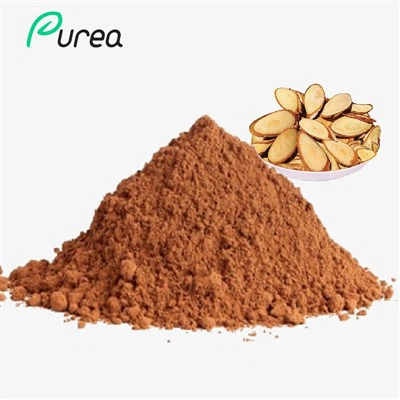
Cnidium Monnieri Extract Powder is a botanical extract derived from the dried fruit of Cnidium monnieri, a plant long used in Traditional Chinese Medicine (TCM). Known in Chinese as "She Chuang Zi," this herb has been traditionally valued for supporting reproductive health, skin comfort, and overall vitality. Modern extraction techniques concentrate its bioactive compounds-most notably osthole, a naturally occurring coumarin believed to be largely responsible for many of its biological effects. As interest in plant-based wellness solutions continues to grow, Cnidium Monnieri extract has gained attention as a functional ingredient in dietary supplements, topical formulations, and herbal blends.
But what exactly does this traditional herb offer from a modern health perspective? Emerging research suggests that Cnidium Monnieri extract may possess anti-inflammatory, antioxidant, and circulation-supporting properties, which could help explain its historical use for skin conditions, joint discomfort, and vitality support. Additionally, some studies are exploring its potential role in supporting hormonal balance and male reproductive wellness, though more clinical data is still needed. By bridging traditional herbal knowledge with contemporary scientific investigation, Cnidium Monnieri Extract Powder represents an intriguing example of how ancient botanicals are being reexamined for today's health and wellness applications.
What are the main active ingredients of Cnidium Monnieri and how do they function in the body?
I. Overview of Chemical Composition: Multiple Active Natural Substances
Cnidium Monnieri contains over 300 chemical components, mainly classified into coumarins, volatile oils, flavonoids, sterols, and other compounds. Among these, coumarins are the most abundant active ingredients, including osthole, imperatorin, bergapten, and xanthotoxol, which are considered the core source of the plant's pharmacological effects.
II. Osthole: Core Active Ingredient and Basic Functions
Osthole (7-methoxy-8-isopentenylcoumarin) is the most abundant coumarin component in Cnidium Monnieri and also the most studied active compound. It exhibits various biological activities, including anti-inflammatory, antioxidant, neuroprotective, immunomodulatory, cardiovascular protective, and antibacterial effects. At the molecular level, osthole can regulate human cell signaling pathways (such as cAMP/cGMP), inhibit inflammatory factors and oxidative stress, and participate in the regulation of various cellular functions.
III. Complementary Effects of Imperatorin and Other Coumarins
Besides osthole, other coumarins such as imperatorin, bergapten, isopimpinellin, and xanthotoxol also possess biological activity. For example, imperatorin has been found to participate in vasodilation, anti-inflammatory responses, and bone metabolism regulation, promoting bone formation and inhibiting bone resorption. These effects are closely related to the regulation of cellular signaling pathways (such as p38 and ERK).

IV. Mechanisms of Neural and Cellular Signaling Regulation
Studies have shown that osthole and imperatorin can regulate neurotransmitter release mechanisms, enhancing glutamate release in rat hippocampal synapses, suggesting they may affect signal transduction in the central nervous system. This effect involves the calcium channel and protein kinase C (PKC) signaling cascade, indicating that the active ingredients can participate in neural regulation by influencing membrane potential and calcium ion channels.
V. Anti-inflammatory and Immunomodulatory Effects
Osthole has been shown to have significant anti-inflammatory effects. It can block inflammation-related signaling pathways such as NF-κB and MAPK, thereby reducing the expression of pro-inflammatory factors such as COX-2, IL-6, and TNF-α. Furthermore, it can regulate the function of T cells and immune cells, improving the stability of the immune response.
VI. Cardiovascular and Local Tissue Effects
Coumarin components (such as osthole and imperatorin) can also act on vascular smooth muscle and the local circulatory system. In vitro/in vivo experiments have shown that these components have the potential to dilate blood vessels, improve hemodynamics, and lower blood pressure by affecting calcium and potassium channels, and may also play a role in local tissue repair and anti-allergic reactions.
What research or traditional applications support the health benefits of Cnidium Monnieri?
I. A Long History of Traditional Medicinal Use
Cnidium monnieri has been widely used in traditional Chinese medicine for centuries. Its dried, mature fruit (Fructus Cnidii) is included in classic prescriptions for regulating the male and female reproductive systems, improving sexual function, promoting blood circulation, and relieving symptoms such as eczema and itchy skin. Historical records indicate that this herb has been used in the traditional medical systems of China, Vietnam, Japan, and other regions.
II. Male and Female Reproductive Health and Traditional Experience
Traditionally, Cnidium monnieri has been used to improve male sexual function, enhance libido, and assist in the treatment of erectile dysfunction. In experimental animal studies, Cnidium monnieri extract containing high levels of the active ingredient osthole has been shown to significantly improve the sexual behavior of male rats, such as increasing mating frequency and shortening latency, which to some extent supports its traditional empirical application for sexual health.
III. Skin Health and Traditional Topical Use
Cnidium monnieri has also been used in traditional medicine to treat various skin-related problems, such as itching, eczema, and pigmentation. Modern in vitro studies have found that Cnidium monnieri extract can significantly inhibit melanin production by activating the p38 signaling pathway to promote the degradation of tyrosinase proteins, thereby reducing melanin accumulation. This provides a scientific mechanism basis for its potential application as a skin care ingredient.

IV. Antimicrobial and Antifungal Activity
Some experimental studies have shown that Cnidium monnieri aqueous extract has the ability to inhibit the growth of skin fungi (such as Trichophyton rubrum). This study shows that the extract can disrupt the hyphal morphology and internal structure of fungi, meaning that Cnidium monnieri may be a candidate source for the development of natural antifungal products, confirming its traditional application in skin infections.
V. Antioxidant and Anti-inflammatory Potential
The main active ingredient in Cnidium monnieri, osthole, is a natural coumarin compound. Modern research shows that it has significant antioxidant and anti-inflammatory effects, including reducing the levels of pro-inflammatory cytokines and inhibiting oxidative stress responses. These effects not only help alleviate inflammatory responses but may also support overall immune health and cellular protection, thus providing a molecular biological basis for the health benefits of Cnidium monnieri.
VI. Preliminary Studies on Cardiovascular and Blood Pressure Regulation
Recent in vitro and animal experimental evidence suggests that active components in Cnidium monnieri extract, such as imperatorin and osthole, have vasodilatory effects and can lower blood pressure in animal models. This supports its traditional functional use in promoting blood circulation and also indicates potential benefits for cardiovascular health, but larger-scale clinical studies are still needed to validate these findings.
VII. Modern Pharmacological Review and Future Potential
In summary, modern reviews show that Cnidium monnieri is not only widely used in traditional medicine, but also exhibits various potential biological activities in modern pharmacological research, including anti-allergic, antibacterial, antifungal, anti-inflammatory, antioxidant, sexual function improvement, and bone health support. This evidence includes both in vitro molecular mechanism studies and in vivo animal experiments, providing scientific support for its health benefits and pointing the way for further clinical research.
Is snake bed extract powder really helpful for men's health?
I. Historical Use in Traditional Medicine
Cnidium monnieri is a classic herb in traditional Chinese medicine. Ancient herbal texts such as the *Shennong Bencao Jing* record its warm, bitter, and pungent properties, and its association with the kidney meridian. It is used to warm the kidneys, strengthen yang, and dispel dampness and wind, and has been used to improve male problems such as impotence and decreased libido. Traditional Chinese medicine theory believes that strengthening "kidney yang" helps improve sexual function and energy levels, providing a theoretical basis for its traditional application.
II. Animal Experiments Supporting Improved Sexual Behavior
Modern scientific research has used male rat models to evaluate the effects of Cnidium monnieri fruit extract on sexual behavior. Studies have found that when male rats were orally administered a certain dose of Cnidium monnieri extract (e.g., 150 mg/kg), their mounting and penetration frequency increased, while the latency period was significantly shortened, indicating that the extract may enhance libido and sexual performance. This evidence provides experimental support to some extent for traditional experiences in supporting sexual function.
III. Possible Physiological Mechanisms-Smooth Muscle Relaxation and Improved Blood Flow
Some studies indicate that osthole, the main active ingredient in Cnidium monnieri, has a relaxing effect on penile smooth muscle. This effect is similar to certain mechanisms for improving erectile function, supporting the erection process by promoting vasodilation and enhancing hemodynamics. Although current data are mainly in vitro or animal-based, this provides a potential pharmacological mechanism for its "sexual function-promoting" effect.
IV. Preliminary Evidence on Male Hormone and Endocrine Effects
Recent animal studies have shown that Cnidium monnieri extract and its active ingredients significantly increased testosterone, LH, and FSH levels in male rats and may enhance the expression of androgen receptors. This suggests that the extract may promote male reproductive health by regulating the endocrine system. It is important to note that these studies are currently mainly focused on animal studies and have not yet been validated on a large scale in clinical trials.

V. Consistency and Differences Between Traditional and Modern Research
While modern experiments support the possibility that Cnidium monnieri extract may help improve sexual behavior and endocrine indicators, human clinical studies are still limited, therefore it cannot be simply equated with drug efficacy. Traditional Chinese medicine emphasizes syndrome differentiation and treatment, often using it in combination with other tonifying Yang herbs. Modern research, however, primarily focuses on isolated components or extracts for single-dose intervention, leading to differences in usage methods and efficacy evaluation.
VI. The Necessity of Safety and Scientific Validation
Currently, research on the safety of Cnidium monnieri extract is limited, and there are differences between animal dosages and recommended human dosages. Long-term or high-dose use, especially in sensitive areas such as male hormones and reproductive health, requires caution and should be conducted under the guidance of professional medical personnel. The scientific community generally agrees that rigorous randomized controlled clinical trials are needed to verify its safety and efficacy.
Which groups of people are suitable for use, and what taboos need to be noted?
I. Suitable for individuals with Yang deficiency or damp-cold constitution
According to Traditional Chinese Medicine (TCM) theory, Cnidium monnieri is warm and pungent in nature, possessing the effects of warming the kidneys and strengthening Yang, drying dampness and dispelling wind. It can help improve discomfort symptoms such as lower back and knee weakness, aversion to cold and cold limbs, and decreased sexual function caused by insufficient kidney Yang. Individuals with this constitution may benefit from appropriate use of Cnidium monnieri extract under the guidance of a professional TCM practitioner to improve daily physical strength and vitality.
II. Has an auxiliary effect on skin eczema, itching, or localized problems
Traditionally, Cnidium monnieri has also been used externally to relieve symptoms such as skin eczema and genital itching. It can be used as one of the herbal ingredients in prescriptions or as a wash. This type of use is common in TCM skin care formulas when combined with other herbs.
III. Cautions and Contraindications-Not Suitable for Those with Yin Deficiency and Excessive Internal Heat
Because Cnidium monnieri is warm and pungent in nature, Traditional Chinese Medicine recommends that those with Yin deficiency and excessive internal heat (such as night sweats, dry mouth, and red tongue) avoid using it, as it may aggravate symptoms such as internal heat. It is also not suitable if there is damp-heat in the lower burner or other incompatible pulse and symptoms.
IV. Caution Required for Pregnant and Breastfeeding Women
Modern herbal safety research suggests that there is currently insufficient reliable data to prove the safety of Cnidium monnieri extract during pregnancy and breastfeeding. Therefore, it is generally recommended to avoid use during this period or to carefully consider it under the guidance of a medical professional.

V. Risks of Allergies and Photosensitivity
Cnidium monnieri contains certain coumarin compounds (such as bergamot lactone) that may be photosensitizing. Topical application may cause redness, swelling, irritation, or photosensitivity reactions in some people with sensitive skin. Therefore, it is recommended to test on a small area of skin for the first time and avoid strong sunlight.
VI. Caution is advised when using this product with other medications or herbs.
Because Cnidium monnieri contains bioactive components, there is a risk of interaction when used with other herbs or medications (especially those with anticoagulant or antihypertensive effects). It is recommended to use this product under the guidance of a doctor or traditional Chinese medicine practitioner, and pay attention to dosage and dosing intervals.
VII. Caution is advised for the elderly, children, and those with impaired liver or kidney function.
Due to limited clinical data, the elderly, children, and those with impaired liver or kidney function should exercise particular caution when considering the use of Cnidium monnieri extract. A medical evaluation should be conducted first if necessary to avoid potential side effects or adverse reactions.
Conclusion
In conclusion, Cnidium Monnieri extract powder, as a natural ingredient combining traditional herbal medicine with modern research, demonstrates multifaceted health potential. Its rich content of active coumarin components, such as osthole and imperatorin, has shown anti-inflammatory, antioxidant, vasodilatory, and sexual health support effects in experimental studies, and is also widely used in traditional medicine to regulate kidney yang, improve reproductive function, and support skin health. While modern scientific research and traditional applications provide a reference for its safe use, individuals with different constitutions should choose according to their own circumstances, and those with special constitutions such as pregnancy, lactation, or yin deficiency with excessive fire should exercise caution. With the development of more clinical research, Cnidium Monnieri extract powder is expected to play a wider role in men's health, skin care, and overall vitality maintenance, providing a natural and safe option for daily health management.
Purea Biological is unwavering in its commitment to offering the highest-quality, pure, and natural plant extracts to customers across the globe. With a core focus on innovation, integrity, and excellence, we proudly remain at the forefront of the industry in plant extracts, fruit and vegetable powders, and peptide powders. Our relentless pursuit of research and development allows us to adapt to the evolving demands of our international clientele. Additionally, our strict quality control procedures ensure that every product we provide is dependable. As we continue to aspire to be the global leader in this field, we invite you to join us in our journey toward improved health and sustainable progress. For further information or inquiries, feel free to contact us at sales@pureabio.com. Together, let's create a healthier future!
References
1.Sun, Y., Yang, A. W. H., & Lenon, G. B. Phytochemistry, Ethnopharmacology, Pharmacokinetics and Toxicology of Cnidium monnieri (L.) Cusson. International Journal of Molecular Sciences, vol. 21, no. 3, 2020, article 1006.
2.Wang, S.‑J., Lin, T.‑Y., Lu, C.‑W., & Huang, W.‑J. Osthole and Imperatorin, the active constituents of Cnidium monnieri, facilitate glutamate release from rat hippocampal nerve terminals. Neurochemistry International, vol. 53, no. 6‑8, 2008, pp. 416–423.
3.Li, Y.‑M., Jia, M., Li, H.‑Q., Zhang, N.‑D., Wen, X., & Qin, L.‑P. Cnidium monnieri: A Review of Traditional Uses, Phytochemical and Ethnopharmacological Properties. American Journal of Chinese Medicine, vol. 43, no. 5, 2015, pp. 835–877.
4.Dau, T. D., Nguyen, T. T. G., & Le, M. H. Effects of Cnidium monnieri (L.) Cuss. Fruit Extract on Sexual Behaviors in Male Rats. Clinical Phytoscience, vol. 6, 2020, article 80.
5.Traditional Chinese medical therapy for erectile dysfunction. Translational Andrology and Urology, by H. Li, 2017, pp. 1–10.
6.Choi SH, Kim KM, Lee JH., et al. Anti‑Melanogenic Effects of Cnidium monnieri Extract via p38 Signaling‑Mediated Proteasomal Degradation of Tyrosinase. Plants, vol. 13, no. 10, 2024, pp. 1305.