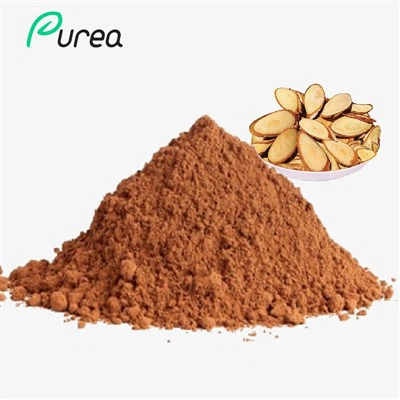
In recent years, yucca extract powder has gained growing attention as a versatile natural ingredient in the fields of nutrition, agriculture, and functional products. Derived primarily from the desert plant Yucca schidigera, this botanical extract is rich in naturally occurring bioactive compounds that contribute to a wide range of beneficial properties. Because of its unique phytochemical composition, yucca extract powder is widely used in dietary supplements, animal nutrition, and food and beverage formulations.
One of the reasons for the rising popularity of yucca schidigera extract powder is its high content of saponins, polyphenols, and antioxidant compounds. These phytochemicals are associated with several functional properties, including antioxidant support, digestive health promotion, odor control in animal nutrition, and potential anti-inflammatory effects. As a result, yucca extract has become an important ingredient in modern natural health products and functional feed additives.
With increasing demand for plant-based and sustainable ingredients, understanding the functional properties of yucca extract powder has become an important topic for researchers and manufacturers. By exploring the key bioactive compounds and their biological activities, scientists continue to uncover how this desert plant extract may contribute to health, environmental sustainability, and innovative product development.
How do yucca saponins support digestive health?
1. Introduction to Yucca Saponins and Digestive Health
Yucca extract powder, derived mainly from Yucca schidigera, is rich in steroidal saponins-bioactive compounds widely studied for their effects on digestion and gut health. These natural surfactant molecules can interact with microbial membranes, digestive enzymes, and intestinal tissues, helping regulate the gastrointestinal environment. Because of these properties, yucca saponins are commonly used in animal nutrition and increasingly studied for their potential digestive health benefits.
2. Regulation of Gut Microbial Balance
One of the most important roles of yucca saponins is their ability to modulate gut microbiota. Research shows that saponins can inhibit the growth of certain harmful microorganisms while allowing beneficial microbes to thrive. This selective antimicrobial activity occurs because saponins interact with microbial cell membranes, disrupting their integrity and limiting pathogen proliferation in the digestive tract.
3. Antiprotozoal and Antimicrobial Activity
Yucca saponins also demonstrate antiprotozoal properties, which can improve digestive efficiency. Studies have shown that these compounds can bind to cholesterol in protozoal cell membranes, causing structural damage and reducing protozoa populations in the gut. Since some protozoa interfere with nutrient digestion, their reduction may enhance the overall digestive process.

4. Enhancement of Nutrient Digestion and Absorption
Another mechanism through which yucca saponins support digestive health is by improving nutrient digestibility and absorption. As natural surfactants, saponins can reduce surface tension in the digestive system, allowing feed particles or food components to mix more effectively with digestive enzymes. This improved interaction can enhance the breakdown of nutrients and increase their availability for absorption.
5. Effects on Intestinal Structure and Microbiota
Experimental studies also suggest that yucca extract supplementation can improve intestinal morphology and microbial composition. For example, dietary yucca extract has been shown to increase intestinal villus height and improve nutrient digestibility while promoting beneficial bacterial populations and reducing harmful microbes. These changes contribute to improved digestive efficiency and gut health.
6. Reduction of Harmful Metabolic Compounds
Yucca saponins may also help reduce toxic metabolic byproducts in the digestive system. By binding compounds such as ammonia and modifying microbial fermentation processes, yucca extract can help maintain a healthier gut environment. This mechanism is particularly important in livestock nutrition but also illustrates the broader digestive-support potential of yucca-derived phytochemicals.
7. Summary of Digestive Benefits
Overall, yucca saponins support digestive health through multiple complementary mechanisms. These include regulating gut microbial balance, inhibiting harmful microorganisms, improving nutrient digestion and absorption, supporting intestinal structure, and reducing toxic metabolites in the digestive tract. Because of these combined effects, yucca extract continues to attract interest as a natural ingredient for digestive health and nutritional support.
Can yucca extract help reduce ammonia odors in animal nutrition?
1. Introduction to Ammonia Odor Problems in Animal Production
Ammonia emission is a common challenge in intensive livestock and poultry farming. It is primarily generated during the microbial breakdown of nitrogenous compounds such as urea, uric acid, and undigested proteins in manure. High ammonia concentrations not only cause unpleasant odors but can also negatively affect animal welfare, respiratory health, and environmental quality. For this reason, feed additives that can reduce ammonia formation have gained increasing attention, including yucca extract derived from Yucca schidigera.
2. Role of Yucca Extract in Ammonia Control
Yucca extract has long been used as a natural feed additive because of its ability to reduce ammonia levels and unpleasant manure odors in animal housing systems. Research indicates that the plant's bioactive components-especially steroidal saponins and polyphenols-contribute to lowering ammonia concentration in animal excreta and the surrounding environment. This property has made yucca products widely used in poultry, swine, and aquaculture production systems.
3. Direct Ammonia-Binding Capacity
One mechanism behind odor reduction is the direct binding of ammonia molecules by components in yucca extract. Studies suggest that certain glycol fractions and saponins in the extract can interact with ammonia and reduce its volatilization from manure. By decreasing the amount of free ammonia released into the air, yucca supplementation helps improve air quality in animal houses and reduces unpleasant odors.
4. Inhibition of Urease Activity and Ammonia Formation
Yucca extract may also reduce ammonia production by influencing microbial enzymatic processes in the digestive tract. Specifically, some studies indicate that yucca supplementation can inhibit urease activity, the enzyme responsible for converting urea into ammonia. This inhibition reduces ammonia generation in the gastrointestinal tract and manure, thereby lowering nitrogen emissions from livestock operations.
5. Improved Nutrient Utilization and Nitrogen Retention
Another factor contributing to ammonia reduction is improved protein digestion and nitrogen utilization. Yucca extract has been shown to enhance nutrient digestibility and intestinal function, which allows animals to utilize dietary protein more efficiently. When more nitrogen is incorporated into body tissues rather than excreted, less nitrogen remains available in manure for microbial conversion into ammonia gas.

6. Influence on Microbial Communities and Fermentation
Yucca saponins also influence microbial populations in the digestive tract and manure. By altering microbial fermentation patterns and suppressing certain ammonia-producing microorganisms, yucca extract can reduce the breakdown of nitrogen compounds into ammonia. In addition, changes in rumen fermentation may lower ruminal ammonia concentrations and improve nitrogen metabolism in ruminant animals.
7. Practical Benefits for Livestock and Farm Environments
Because of these combined mechanisms-ammonia binding, enzyme inhibition, improved digestion, and microbial regulation-yucca extract can significantly reduce ammonia emissions and manure odors in livestock facilities. Studies have shown that treatment with Yucca schidigera can reduce odor-causing compounds in manure by approximately 58–73%, demonstrating its practical value as a natural environmental management tool in animal production systems.
Does yucca provide antioxidant or anti-inflammatory activity?
1. Overview of Bioactive Compounds in Yucca
Extracts from Yucca schidigera have attracted scientific interest due to their diverse phytochemical composition. The plant contains several biologically active molecules, including steroidal saponins, polyphenols, resveratrol, and unique compounds known as yuccaols. These phytochemicals are associated with multiple biological functions, particularly antioxidant and anti-inflammatory activities. Because of these properties, yucca extract has been investigated in both nutritional and pharmacological research.
2. Antioxidant Activity Through Phenolic Compounds
One of the primary sources of antioxidant activity in yucca is its phenolic compounds, such as resveratrol and yuccaols. These molecules can neutralize reactive oxygen species (ROS) and other free radicals that contribute to oxidative stress in biological systems. Laboratory studies have demonstrated that phenolic fractions isolated from yucca bark exhibit strong free-radical scavenging capacity in assays such as Trolox equivalent antioxidant capacity and β-carotene oxidation tests.
3. Protection Against Oxidative Stress
Oxidative stress occurs when the production of reactive oxygen species exceeds the body's natural antioxidant defenses. Yucca-derived phenolics can help reduce oxidative damage by scavenging free radicals and preventing lipid peroxidation. Some research indicates that these compounds may inhibit processes that lead to the formation of highly reactive molecules such as peroxynitrite, which is associated with inflammation and tissue damage.
4. Anti-Inflammatory Mechanisms
In addition to antioxidant activity, yucca extract also demonstrates anti-inflammatory effects. Certain phenolic compounds in yucca can inhibit the transcription factor NF-κB, a key regulator of inflammatory gene expression. When NF-κB activity is reduced, the production of inflammatory mediators such as inducible nitric oxide synthase (iNOS) and nitric oxide decreases, which may help control inflammatory responses in tissues.
5. Role of Unique Yucca Phytochemicals
The yucca plant contains unique stilbene-type compounds called yuccaols (A–E), which are believed to play an important role in its biological effects. Experimental studies have shown that yuccaols can inhibit inflammatory pathways and reduce oxidative stress by interfering with molecular signaling systems such as MAPK and NF-κB pathways. These mechanisms help explain the plant's traditional use for conditions associated with inflammation.
6. Potential Health Implications
Because oxidative stress and chronic inflammation are linked to many diseases, the antioxidant and anti-inflammatory properties of yucca have attracted interest in functional foods, supplements, and animal nutrition. While many findings come from laboratory and experimental studies, they suggest that yucca extract may support health by reducing oxidative damage and regulating inflammatory pathways. Further clinical studies are still needed to confirm these benefits in humans.
How does yucca support gut balance in nutritional formulations?
1. Introduction to Yucca in Nutritional Applications
Yucca schidigera extract is widely used in nutritional formulations for livestock, aquaculture, and functional feed products due to its high content of steroidal saponins and phenolic compounds. These bioactive molecules interact with microbial populations and digestive processes in the gastrointestinal tract. Through several complementary mechanisms, yucca extract can help maintain a healthier gut environment and improve overall digestive efficiency.

2. Modulation of Gut Microbial Communities
One of the key ways yucca supports gut balance is through its selective antimicrobial activity. Saponins in yucca can interact with microbial cell membranes, disrupting the growth of certain pathogenic bacteria while allowing beneficial microorganisms to remain active. This selective action helps maintain microbial equilibrium in the gut microbiota, which is essential for stable digestion and nutrient metabolism.
3. Reduction of Harmful Microorganisms and Protozoa
Yucca saponins can also influence populations of protozoa and other microorganisms that affect digestive efficiency. Research indicates that these compounds can suppress specific rumen microbes and protozoal populations, which may otherwise contribute to inefficient fermentation or excessive nitrogen breakdown. By moderating these microbial populations, yucca extract can help stabilize microbial ecosystems in the digestive tract.
4. Improvement of Fermentation and Nutrient Utilization
Balanced microbial populations contribute to improved fermentation processes in the gut. Studies have shown that saponin fractions from Yucca schidigera can increase the efficiency of microbial protein synthesis during rumen fermentation. Improved fermentation helps animals better utilize dietary nutrients, supporting more efficient digestion and metabolic balance.
5. Support for Nitrogen Metabolism and Gut Environment
Yucca extract can also influence nitrogen metabolism in the digestive system. Some studies report that supplementation with yucca extract reduces ammonia concentrations in ruminal environments and improves nitrogen utilization. Lower ammonia levels contribute to a healthier microbial environment and may reduce metabolic stress in the digestive tract.
6. Enhancement of Digestive Efficiency and Gut Stability
Through the combined effects of microbial regulation, fermentation optimization, and nitrogen metabolism support, yucca extract contributes to overall gut stability. In nutritional formulations, these properties may improve feed conversion efficiency, digestive performance, and nutrient absorption, which are important factors in animal nutrition and functional feed development.
Why is yucca extract studied in both human and animal health products?
1. Rich Source of Bioactive Phytochemicals
Yucca schidigera has been widely studied because it contains a variety of biologically active compounds, particularly steroidal saponins, polyphenols, resveratrol, and unique stilbene derivatives known as yuccaols. These phytochemicals exhibit multiple biological effects, including antimicrobial, antioxidant, and anti-inflammatory activities. Because these mechanisms are relevant to both human physiology and animal metabolism, yucca extract has attracted interest across human health supplements and animal nutrition products.
2. Benefits for Digestive and Microbial Balance
One of the major reasons yucca extract is used in both fields is its influence on gut microbiota and digestive processes. Yucca saponins can interact with microbial cell membranes and display antiprotozoal activity, helping regulate microbial populations in the digestive tract. In animals, this activity can modify rumen fermentation and reduce harmful microorganisms, while similar mechanisms are being explored for digestive support in human nutraceutical formulations.
3. Anti-Inflammatory and Antioxidant Potential
Yucca extract is also studied for its anti-inflammatory and antioxidant properties. Phenolic compounds such as resveratrol and yuccaols can inhibit inflammatory pathways by suppressing the NF-κB signaling pathway and reducing the production of inflammatory mediators like nitric oxide. At the same time, these compounds act as free-radical scavengers, helping reduce oxidative stress. These biological activities are relevant to both human health research and veterinary nutrition.
4. Applications in Animal Nutrition and Production
In animal production systems, yucca extract is widely used as a feed additive. Its saponins can reduce ammonia concentrations in manure, improve feed utilization, and influence rumen fermentation processes. These effects help improve animal performance, reduce environmental odors, and support digestive efficiency, making yucca a valuable functional ingredient in livestock, poultry, and aquaculture feeds.

5. Potential Nutraceutical Uses in Humans
Beyond animal nutrition, yucca has a long history of use in traditional medicine and dietary supplements. Some studies suggest that yucca products may help support joint health and reduce inflammatory symptoms, although clinical evidence is still limited. The plant's bioactive compounds, especially saponins and polyphenols, are the primary focus of ongoing research into its potential applications in human health products.
6. Shared Biological Mechanisms Across Species
Another reason yucca extract is studied in both humans and animals is that many biological mechanisms-such as oxidative stress, inflammation, and microbial balance-are conserved across species. Because the same classes of phytochemicals can influence these pathways in different organisms, findings from animal nutrition research often provide useful insights for human health studies and vice versa.
Conclusion
In summary, yucca extract powder has become an increasingly valuable natural ingredient due to its wide range of functional properties. Rich in steroidal saponins, polyphenols, and other bioactive compounds, yucca extract demonstrates significant potential in supporting digestive health, regulating gut microbial balance, and improving nutrient utilization. These characteristics make it an attractive component in both nutritional formulations and feed applications.
Another notable benefit of yucca extract is its ability to help reduce ammonia odors in animal production systems. By influencing nitrogen metabolism and microbial activity, yucca extract can lower ammonia emissions and improve environmental conditions in livestock facilities. This property has made it a widely used additive in animal nutrition and sustainable farming practices.
In addition, yucca extract has been studied for its antioxidant and anti-inflammatory activities, largely attributed to its phenolic compounds and unique phytochemicals such as yuccaols. These biological effects suggest potential value in supporting overall health and managing oxidative stress, which has attracted interest from both the nutraceutical and animal health industries.
Overall, the multifunctional nature of yucca extract powder-ranging from digestive support and gut balance to environmental benefits and antioxidant activity-explains why it continues to be researched and applied in both human and animal health products. As scientific understanding expands, yucca extract is likely to remain an important botanical ingredient in the development of innovative nutritional and functional formulations.
Purea Biological is unwavering in its commitment to offering the highest-quality, pure, and natural plant extracts to customers across the globe. With a core focus on innovation, integrity, and excellence, we proudly remain at the forefront of the industry in plant extracts, fruit and vegetable powders, and peptide powders. Our relentless pursuit of research and development allows us to adapt to the evolving demands of our international clientele. Additionally, our strict quality control procedures ensure that every product we provide is dependable. As we continue to aspire to be the global leader in this field, we invite you to join us in our journey toward improved health and sustainable progress. For further information or inquiries, feel free to contact us at sales@pureabio.com. Together, let's create a healthier future!
References
1.Wallace, R. J.; Arthaud, L.; Newbold, C. J. Influence of Yucca schidigera Extract on Rumen Ammonia Concentrations and Ruminal Microorganisms. Journal of Agricultural and Food Chemistry, 1998, pp. 1762–1767.
2.Wang, Xiaoli; Zhang, Yifan; Li, Yujie; Chen, Hao; Li, Jun. Dietary Yucca Extract and Clostridium butyricum Promote Growth Performance and Intestinal Development in Weaned Rabbits. Animals, 13(5), 2023, pp. 812–820.
3.Cheeke, Peter R.; Piacente, Sonia; Oleszek, Wiesław. Anti-Inflammatory and Anti-Arthritic Effects of Yucca schidigera: A Review. Journal of Inflammation, 2006, Vol. 3, pp. 1–7.
4.Alagawany, Mahmoud; Abd El-Hack, Mohamed E.; Farag, Maged R.; et al. Yucca schidigera Can Mitigate Ammonia Emissions from Poultry Manure and Improve Production Performance. Environmental Science and Pollution Research, 2019, pp. 1–10.
5.Piacente, Sonia; Cheeke, Peter R.; Oleszek, Wiesław. Anti-Inflammatory and Anti-Arthritic Effects of Yucca schidigera: A Review. Journal of Inflammation, 2006, Vol. 3, pp. 1–6.
6.Makkar, Harinder P. S.; Sen, Sucharita; Blümmel, Michael; Becker, Klaus. Effects of Fractions Containing Saponins from Yucca schidigera on Rumen Fermentation. Journal of Agricultural and Food Chemistry, 1998, Vol. 46, pp. 4324–4328.
7.Cheeke, P. R. Actual and Potential Applications of Yucca schidigera and Quillaja saponaria Saponins in Human and Animal Nutrition. Journal of Animal Science, 2000, Vol. 77 (Suppl. E), pp. 1–10.