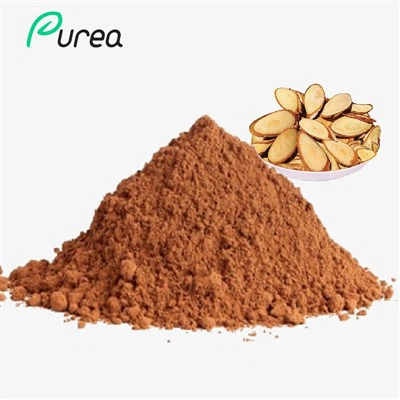
In recent years, gynostemma leaf extract powder has gained significant attention in the natural health and wellness industry. Derived from the climbing herb Gynostemma pentaphyllum, commonly known as Jiaogulan, this botanical ingredient has long been used in traditional herbal practices across East Asia. Today, growing scientific interest and consumer demand for plant-based health solutions have brought gynostemma extract into the spotlight as a promising functional ingredient in dietary supplements and wellness formulations.
One of the main reasons for the rising popularity of gynostemma leaf extract powder is its rich profile of bioactive compounds, particularly gypenosides, which are structurally similar to the ginsenosides found in ginseng. These compounds have been studied for their potential roles in supporting metabolic balance, antioxidant defense, cardiovascular health, and overall vitality. Because of these properties, gynostemma extract is increasingly incorporated into natural health supplements, herbal teas, functional foods, and nutraceutical products.
As consumers continue to seek natural plant extracts for energy, longevity, and metabolic wellness, the demand for high-quality gynostemma leaf extract powder continues to grow. Understanding why this botanical ingredient is attracting so much attention helps highlight its potential applications in modern health products and the evolving natural supplement market.
Why is Gynostemma pentaphyllum often called the "Herb of Immortality"?
1. Historical Origins of the Name
Gynostemma pentaphyllum, commonly known as Jiaogulan, has earned the nickname "Herb of Immortality" because of its long association with longevity in traditional herbal culture. In mountainous regions of southern China, particularly in Guizhou Province, local communities have consumed Jiaogulan tea for centuries as a daily beverage. Observations that many residents in these areas lived to advanced ages led researchers and herbalists to link the plant with longevity and vitality.
2. Traditional Use for Longevity and Vitality
Historically, Jiaogulan has been used as a tonic herb to improve stamina, reduce fatigue, and promote overall well-being. Traditional practices often involved drinking the leaves as an herbal infusion before or after physical labor to maintain energy and resilience. Because regular consumption was associated with sustained vitality and healthy aging, local populations began referring to the plant as a longevity-promoting herb.
3. Rich Content of Bioactive Compounds
Modern scientific interest in Jiaogulan largely centers on its rich phytochemical composition. The plant contains more than 80 different saponins called gypenosides, which are structurally similar to the ginsenosides found in ginseng. These compounds are believed to contribute to many of the plant's physiological effects, including metabolic regulation, antioxidant activity, and stress adaptation.

4. Adaptogenic Properties
Another reason for its reputation as the "Herb of Immortality" is its classification as an adaptogen. Adaptogenic plants help the body maintain balance under physical or mental stress by supporting normal physiological functions. Research suggests that Jiaogulan may help regulate metabolic processes and support cellular energy pathways, contributing to resilience against environmental and biological stressors.
5. Antioxidant and Cellular Protection
Studies also indicate that compounds in Gynostemma pentaphyllum may provide antioxidant protection, helping neutralize reactive oxygen species that contribute to cellular aging. By reducing oxidative stress and supporting healthy metabolic processes, these phytochemicals may help protect tissues and maintain normal physiological function over time.
6. Broad Health-Supporting Effects
Beyond longevity claims, Jiaogulan has been studied for its potential effects on cardiovascular health, metabolic balance, and immune support. Because these physiological systems are closely related to long-term health and aging, researchers consider the herb a promising botanical ingredient for promoting general wellness and healthy aging.
What makes gynostemma extract different from other herbal ingredients?
1. Unique Botanical Background
Gynostemma pentaphyllum, commonly known as Jiaogulan, is a climbing plant native to East Asia and widely used in traditional herbal practices. Unlike many herbal ingredients that are valued for a single primary compound, gynostemma extract contains a complex mixture of bioactive phytochemicals that contribute to its broad functional profile. This diversity of compounds makes the plant particularly interesting for modern phytochemical and nutritional research.
2. High Content of Gypenosides
One of the most distinctive features of gynostemma extract is its high concentration of gypenosides, a group of triterpenoid saponins. Researchers have identified more than 80 different gypenosides in Gynostemma pentaphyllum. These compounds are structurally similar to the ginsenosides found in ginseng, which partly explains why gynostemma is sometimes referred to as "southern ginseng." The large variety and abundance of these saponins distinguish gynostemma from many other medicinal plants.
3. Adaptogenic Characteristics
Another factor that makes gynostemma extract unique is its classification as a potential adaptogenic herb. Adaptogens are substances that help the body maintain physiological balance during stress. Studies suggest that gynostemma may support metabolic regulation, energy balance, and resilience against environmental stressors. Compared with many herbal ingredients that target a single physiological pathway, gynostemma may influence multiple biological systems simultaneously.
4. Strong Antioxidant Properties
Gynostemma extract also contains flavonoids, polysaccharides, and phenolic compounds that contribute to antioxidant activity. These compounds can help neutralize free radicals and protect cells from oxidative stress. The combined presence of gypenosides and polyphenolic compounds gives the plant a particularly strong antioxidant profile compared with many single-compound herbal extracts.

5. Broad Metabolic and Cardiovascular Research Interest
Another distinguishing feature of gynostemma is the breadth of scientific studies exploring its potential effects. Research has investigated its roles in metabolic health, lipid regulation, glucose balance, and cardiovascular support. Because these areas are closely related to modern health concerns, the extract has attracted growing attention in nutraceutical development and functional food formulations.
6. Traditional Use Combined with Modern Research
Unlike some recently discovered botanical ingredients, Gynostemma pentaphyllum has both long-standing traditional use and expanding modern scientific research. In many regions of China and Southeast Asia, the plant has been consumed as an herbal tea for centuries. The combination of historical use and contemporary laboratory studies has helped strengthen its reputation as a promising natural health ingredient.
Why are global supplement brands increasingly interested in gynostemma?
1. Rising Demand for Natural and Plant-Based Supplements
One of the main reasons global supplement brands are paying attention to gynostemma extract (Gynostemma pentaphyllum) is the growing consumer preference for natural health products. Surveys show that a large proportion of supplement users now prioritize plant-based ingredients over synthetic compounds. As a result, herbal extracts with traditional use and scientific support-such as gynostemma-are increasingly incorporated into dietary supplements, functional beverages, and wellness formulations.
2. Rich Content of Bioactive Gypenosides
Gynostemma extract is particularly valued for its high concentration of gypenosides, a group of triterpenoid saponins responsible for many of the plant's biological activities. These compounds are studied for their potential antioxidant, anti-inflammatory, and metabolic-support properties. Because of this phytochemical richness, gynostemma is often positioned as a multifunctional ingredient suitable for energy, cardiovascular, and metabolic health formulations.
3. Growing Scientific and Clinical Research
Another factor driving industry interest is the increasing number of scientific studies examining gynostemma's potential health benefits. Research has explored its possible roles in metabolic health, cholesterol regulation, and glucose balance. More than sixty clinical or preclinical studies have investigated gypenosides, helping strengthen the credibility of this botanical ingredient within the nutraceutical and pharmaceutical industries.
4. Alignment With Preventive Healthcare Trends
The global wellness market is increasingly focused on preventive healthcare, encouraging consumers to maintain health through nutrition and lifestyle strategies. Gynostemma fits well into this trend because it is often marketed as an adaptogenic herb that may help support stress adaptation, metabolic balance, and general vitality. As preventive health becomes a major driver of supplement consumption, botanicals like gynostemma are attracting more attention from product developers.
5. Expanding Applications in Supplements and Functional Products
Another reason for growing interest is the versatility of gynostemma extract. It can be formulated in multiple product formats, including capsules, powders, herbal teas, and functional beverages. The herb is also being explored in natural cosmetics and anti-aging skincare formulations due to its antioxidant and potential collagen-supporting properties. These diverse applications make it attractive to brands seeking multifunctional botanical ingredients.

6. Market Growth and Industry Investment
The market for gypenosides and gynostemma extracts is expanding as supplement companies increase their investments in botanical ingredients. The global gypenosides market was valued at nearly $90 million in 2024 and is projected to grow steadily over the coming years as demand for natural bioactive compounds rises. Major nutraceutical companies and ingredient suppliers are already expanding production capacity to meet international demand.
How does gynostemma fit into the growing adaptogenic herb market?
1. Expansion of the Global Adaptogen Market
The global demand for adaptogenic herbs has grown rapidly as consumers increasingly seek natural ways to manage stress, improve energy, and support overall wellness. Adaptogens such as ginseng, ashwagandha, rhodiola, and cordyceps have become popular ingredients in dietary supplements and functional foods. Within this expanding category, gynostemma (Gynostemma pentaphyllum) has emerged as a promising botanical due to its traditional use and growing body of scientific research.
2. Rich Source of Adaptogenic Compounds
One reason gynostemma fits well into the adaptogenic herb market is its high content of gypenosides, a group of triterpenoid saponins responsible for many of the plant's biological effects. These compounds share structural similarities with the ginsenosides found in ginseng, which are known for their adaptogenic activity. Because of this similarity, gynostemma is sometimes referred to as "Southern Ginseng," highlighting its relevance in stress-adaptation and vitality formulations.
3. Support for Stress Resilience and Metabolic Balance
Adaptogenic herbs are valued for helping the body maintain physiological balance during physical or mental stress. Studies indicate that gynostemma may influence metabolic and cellular pathways associated with energy production and stress adaptation, including mitochondrial activity and AMPK signaling pathways. These mechanisms align closely with the functional goals of modern adaptogenic supplements.
4. Alignment with Consumer Wellness Trends
The growing interest in preventive healthcare and holistic wellness has further increased the demand for botanical adaptogens. Many consumers prefer plant-derived ingredients that may support stress resilience, metabolic health, and long-term vitality. Gynostemma fits this trend well because it has a long history of traditional use while also gaining recognition through modern phytochemical research.
5. Increasing Applications in Modern Formulations
Another factor driving gynostemma's presence in the adaptogen market is its versatility in product formulations. The extract is now used in capsules, powders, herbal teas, and functional beverages designed for stress management and metabolic support. Ingredient suppliers increasingly offer standardized extracts with verified gypenoside concentrations, allowing manufacturers to incorporate the herb into modern nutraceutical products.

6. Growing Market Demand and Industry Interest
The market for gynostemma extract continues to expand as the broader adaptogen sector grows. Industry reports indicate that the adaptogen market is projected to grow at over 8% annually, with increasing demand from North America, Europe, and Asia. As scientific validation and consumer awareness continue to increase, gynostemma is gradually becoming a recognized ingredient within global adaptogenic product portfolios.
What market trends are driving demand for gynostemma extract?
1. Rising Demand for Natural and Plant-Based Health Products
One of the most important market trends driving demand for gynostemma extract (Gynostemma pentaphyllum) is the global shift toward natural and plant-based wellness products. Consumers are increasingly seeking herbal alternatives to synthetic supplements and pharmaceuticals. This trend has significantly boosted interest in botanicals with traditional use and scientific research, including gynostemma, which is widely used in dietary supplements, herbal teas, and functional foods.
2. Growth of the Adaptogenic Herb Market
Another major driver is the rapid expansion of the adaptogenic herb market, which includes plants believed to support stress resilience and metabolic balance. Adaptogens such as ginseng, ashwagandha, and rhodiola have gained global popularity, and gynostemma is increasingly recognized as part of this category. The broader adaptogen market is projected to grow at more than 8% annually, creating new opportunities for ingredients like gynostemma extract in wellness products and nutraceutical formulations.
3. Increasing Consumer Focus on Preventive Healthcare
Preventive healthcare has become a key trend in the wellness industry. Rather than waiting for illness to occur, many consumers now focus on maintaining health through nutrition, lifestyle changes, and dietary supplements. Gynostemma extract is frequently marketed for its potential roles in metabolic support, cardiovascular health, and immune balance, making it attractive for preventive health formulations.
4. Expanding Applications in Functional Foods and Beverages
Another factor supporting market growth is the increasing use of gynostemma extract in functional foods and beverages. Manufacturers are incorporating the ingredient into products such as herbal teas, powdered drink mixes, energy beverages, and wellness blends. These applications allow consumers to integrate botanical ingredients into daily diets, further expanding the market for plant-derived extracts.
5. Growing Demand for Clean-Label and Organic Ingredients
Consumers today are paying closer attention to product labels and ingredient sourcing. This has created strong demand for clean-label, non-GMO, and organically grown herbal extracts. In response, suppliers are increasingly offering standardized gynostemma extracts with verified gypenoside concentrations and organic certifications, making the ingredient more appealing to premium supplement brands.

6. Increasing Scientific Research and Clinical Validation
Scientific research also plays an important role in market expansion. Studies investigating the biological effects of gypenosides, the major active compounds in gynostemma, have attracted attention in nutraceutical and pharmaceutical research. Ongoing studies exploring metabolic health, cholesterol regulation, and antioxidant activity have strengthened the credibility of gynostemma as a functional ingredient.
7. Market Expansion and Global Distribution Growth
Finally, the global gynostemma market itself is expanding rapidly. Industry reports indicate that the market for gynostemma extract is growing steadily, with increasing demand in North America, Europe, and Asia-Pacific. Growing e-commerce channels, international ingredient trade, and improved extraction technologies have made standardized extracts more accessible to supplement manufacturers worldwide.
Conclusion
In summary, the growing attention surrounding gynostemma leaf extract powder reflects a broader shift in the natural health industry toward scientifically supported, plant-based ingredients. Known traditionally as the "Herb of Immortality," Gynostemma pentaphyllum combines centuries of herbal use with modern research that highlights its rich phytochemical composition, particularly its unique gypenosides and other beneficial compounds.
Compared with many other herbal ingredients, gynostemma stands out for its multifunctional profile and its association with adaptogenic properties that may support metabolic balance, resilience to stress, and overall wellness. These characteristics have attracted increasing interest from global supplement brands seeking innovative botanical ingredients that align with current consumer preferences for natural and holistic health solutions.
At the same time, the rapid expansion of the adaptogenic herb market and the growing demand for preventive healthcare products continue to create new opportunities for gynostemma-based formulations. With rising scientific exploration and expanding applications in supplements, functional foods, and herbal beverages, gynostemma leaf extract powder is becoming an increasingly relevant ingredient in modern nutraceutical development.
As market trends continue to favor natural, evidence-based botanical extracts, gynostemma is likely to remain an important focus of research and product innovation in the global wellness industry.
Purea Biological is unwavering in its commitment to offering the highest-quality, pure, and natural plant extracts to customers across the globe. With a core focus on innovation, integrity, and excellence, we proudly remain at the forefront of the industry in plant extracts, fruit and vegetable powders, and peptide powders. Our relentless pursuit of research and development allows us to adapt to the evolving demands of our international clientele. Additionally, our strict quality control procedures ensure that every product we provide is dependable. As we continue to aspire to be the global leader in this field, we invite you to join us in our journey toward improved health and sustainable progress. For further information or inquiries, feel free to contact us at sales@pureabio.com. Together, let's create a healthier future!
References
1.Michael Blumert; Liu Jialiu. Jiaogulan: China's "Immortality" Herb. Torchlight Publishing, 2003, pp. 12–18.
2.Dan Bensky; Andrew Gamble; Steven Clavey; Erich Stöger. Chinese Herbal Medicine: Materia Medica. 3rd ed., Eastland Press, 2004, pp. 432–434.
3.Blumert, Michael; Liu, Jialiu. Jiaogulan: China's "Immortality" Herb. Torchlight Publishing, 2003, pp. 20–28.
4.Razmovski-Naumovski, V.; Huang, T.; Tran, V. H.; Li, G. Q.; Duke, C. C.; Roufogalis, B. D. Chemistry and Pharmacology of Gynostemma pentaphyllum. Phytochemistry Reviews, 2005, Vol. 4, pp. 197–219.
5.Megalli, S.; Davies, N. M.; Roufogalis, B. D. Anti-hyperlipidemic and Hypoglycemic Effects of Gynostemma pentaphyllum in the Zucker Fatty Rat. Journal of Pharmacy and Pharmaceutical Sciences, 2006, pp. 281–291.
6.Megalli, S.; Davies, N. M.; Roufogalis, B. D. Anti-hyperlipidemic and Hypoglycemic Effects of Gynostemma pentaphyllum in the Zucker Fatty Rat. Journal of Pharmacy and Pharmaceutical Sciences, 2006, pp. 281–291.
7.Lin, J. M.; Lin, C. C.; Chiu, H. F.; Yang, J. J.; Lee, S. G. Evaluation of the Anti-inflammatory and Liver-protective Effects of Gynostemma pentaphyllum. American Journal of Chinese Medicine, 1993, pp. 59–69.
8.Xie, Zhiyong; Huang, Jing; Xu, Xiaohua; Jin, Zhiqiang. Chemical Constituents and Pharmacological Effects of Gynostemma pentaphyllum. Journal of Ethnopharmacology, 2010, pp. 189–191.