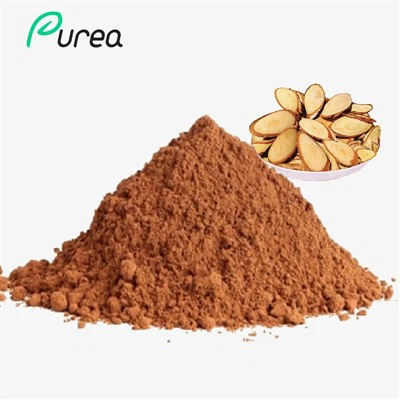
Rose hip extract powder, derived from the fruits of Rosa canina, has become a popular ingredient in modern nutraceuticals, functional foods, and skincare formulations due to its rich nutrient profile and wide-ranging health benefits. Renowned for its high content of vitamin C, polyphenols, flavonoids, and essential fatty acids, rose hip extract is celebrated for supporting immune health, cardiovascular wellness, and joint comfort, while also promoting healthy, radiant skin.
In recent years, the demand for natural antioxidants and plant-based anti-aging ingredients has driven rose hip extract into the spotlight. Its potent antioxidant properties help combat free radicals, reduce oxidative stress, and protect the skin from environmental damage, making it a popular choice in anti-aging creams, serums, and dietary supplements. Additionally, studies suggest that rose hip may support collagen synthesis, skin hydration, and elasticity, positioning it as both a health-boosting and beauty-enhancing botanical ingredient.
With consumers increasingly seeking plant-derived solutions for overall wellness and skin vitality, rose hip extract powder offers a unique combination of internal health support and external skin benefits, making it a versatile and highly valued addition to modern nutraceutical and cosmetic products.
How Can Rose Hip Extract Support Immune Health?
1. Rich Source of Vitamin C
Rose hip (Rosa canina) is particularly well-known for its high content of vitamin C, a critical nutrient for the proper functioning of the immune system. Vitamin C supports the production and function of white blood cells, enhances phagocytosis, and strengthens the body's natural defense mechanisms against infections. Because rose hip contains a bioavailable form of vitamin C, it is an effective plant-based option to support immune resilience.
2. Polyphenols and Flavonoids as Immunomodulators
Beyond vitamin C, rose hip extract is rich in polyphenols and flavonoids, which exhibit immunomodulatory properties. These compounds can influence signaling pathways in immune cells, helping regulate inflammatory responses and enhancing immune system efficiency. Research has suggested that these bioactive compounds may support the body's defense against pathogens while maintaining immune balance.
3. Antioxidant Protection and Immune Function
Oxidative stress can impair immune cell function and increase susceptibility to infections. Rose hip's combination of vitamin C, polyphenols, and carotenoids provides antioxidant protection, neutralizing free radicals and protecting immune cells from oxidative damage. This protective effect contributes to a more robust and responsive immune system.
4. Anti-Inflammatory Support
Chronic inflammation can compromise immune function and overall health. Rose hip extract has been shown to reduce inflammatory markers in several studies, partly through the action of its polyphenolic compounds. By mitigating excessive inflammatory responses, rose hip may help the immune system function more efficiently without overactivation.

5. Support for Respiratory and Mucosal Immunity
Some research indicates that rose hip supplementation can aid respiratory immune defenses. Its vitamin C and flavonoid content may help support mucosal immunity, enhancing the first line of defense against airborne pathogens. This makes rose hip extract a relevant ingredient in formulations aimed at maintaining daily immune resilience, particularly during cold and flu seasons.
6. Synergy with Other Nutrients
Rose hip is often combined with other immune-supporting nutrients, such as zinc, echinacea, or elderberry, in nutraceutical products. This synergy can enhance overall immune benefits, leveraging both antioxidant and immunomodulatory mechanisms to support systemic health.
Does Rose Hip Extract Have Anti-Aging and Skin-Enhancing Properties?
1. Rich Source of Skin-Supporting Nutrients
Rose hip extract powder, derived from the fruit of Rosa canina, contains a variety of bioactive nutrients that are beneficial for skin health. These include vitamin C, carotenoids, polyphenols, and essential fatty acids, which contribute to the maintenance of healthy skin structure and appearance. Vitamin C is particularly important because it plays a direct role in collagen synthesis, a key protein responsible for maintaining skin firmness and elasticity. These nutrients collectively help support skin renewal and overall skin vitality.
2. Antioxidant Protection Against Skin Aging
One of the main mechanisms behind rose hip's skin benefits is its strong antioxidant activity. Oxidative stress caused by environmental factors such as UV radiation and pollution can accelerate skin aging by damaging cellular components and collagen fibers. The antioxidants present in rose hip extract help neutralize free radicals, protecting skin cells and reducing the effects of premature aging.
3. Support for Collagen Production and Skin Elasticity
Rose hip extract may also contribute to improved skin elasticity by promoting collagen synthesis. Certain components in rose hip, including vitamin C and specific polyunsaturated fatty acids, are involved in maintaining the structural integrity of skin tissues. These compounds support collagen formation and help maintain skin firmness, which may reduce the appearance of fine lines and wrinkles over time.
4. Evidence from Clinical Research
Clinical studies have investigated the effects of standardized rose hip powder on skin aging. In a randomized, double-blind study involving adults with facial wrinkles, participants who consumed rose hip powder for eight weeks experienced significant improvements in wrinkle depth, skin moisture, and elasticity compared with baseline measurements. These findings suggest that rose hip supplementation may positively influence visible signs of skin aging.

5. Improvement of Skin Hydration and Texture
Beyond anti-aging effects, rose hip extract can help improve skin hydration and barrier function. The presence of essential fatty acids such as linoleic and oleic acids helps nourish the skin and support the protective lipid barrier. This may reduce transepidermal water loss and improve overall skin smoothness and texture, contributing to a healthier appearance.
6. Potential Effects on Skin Tone and Regeneration
Rose hip extract has also been studied for its ability to support skin regeneration and even skin tone. Some research indicates that rose-derived extracts may influence cellular pathways involved in antioxidant defense and tissue renewal, potentially helping counteract cellular aging processes. Additionally, the phytochemicals in rose hip may help reduce pigmentation and support skin repair following environmental stress.
Can Rose Hip Powder Help Reduce Inflammation and Oxidative Stress?
1. Rich in Natural Antioxidants
Rose hip powder, derived primarily from the fruit of Rosa canina, is widely recognized for its high concentration of antioxidant compounds, including vitamin C, carotenoids, polyphenols, and flavonoids. These compounds play an important role in protecting cells from oxidative damage caused by free radicals. Excessive oxidative stress can disrupt cellular function and contribute to chronic diseases, so antioxidant-rich botanicals like rose hip are often studied for their protective effects on the body's tissues.
2. Reduction of Reactive Oxygen Species
Experimental research suggests that rose hip extracts may help reduce the generation of reactive oxygen species (ROS), which are unstable molecules that contribute to oxidative stress. In cellular studies using adipocyte models, rose hip extract significantly decreased ROS levels and improved antioxidant enzyme activity, indicating that the plant's phytochemicals may support cellular defense systems against oxidative damage.
3. Presence of Anti-Inflammatory Bioactive Compounds
Rose hip powder contains several bioactive molecules linked to anti-inflammatory activity, including a specific galactolipid known as GOPO (1,2-di-O-α-linolenoyl-3-O-β-D-galactopyranosyl-sn-glycerol). This compound has been investigated for its ability to influence immune cell activity and inflammatory signaling. Studies have shown that rose hip preparations can affect the behavior of leukocytes and other immune cells involved in inflammatory responses.
4. Modulation of Inflammatory Cytokines
Cell-based studies demonstrate that rose hip extracts can suppress the production of several pro-inflammatory cytokines, including tumor necrosis factor-α (TNF-α), interleukin-1β, and interleukin-6. These cytokines play central roles in inflammatory signaling pathways. By reducing their expression, rose hip compounds may help moderate inflammatory processes at the cellular level.

5. Effects on Inflammatory Enzymes
Another proposed mechanism involves the inhibition of cyclooxygenase (COX-1 and COX-2) enzymes, which are responsible for producing inflammatory mediators such as prostaglandins. Certain phytochemicals in rose hip, including polyphenols and carotenoids, have been observed to influence these pathways in laboratory studies, suggesting a biochemical basis for its traditional use in inflammatory conditions.
6. Evidence from Human and Experimental Research
Research involving both experimental models and human studies has explored rose hip's potential influence on inflammatory markers and oxidative balance. Some investigations have examined its effects on biomarkers such as antioxidant enzymes and inflammatory indicators in conditions like arthritis. While results vary across studies, the overall body of evidence indicates that the combined antioxidant and anti-inflammatory phytochemicals in rose hip may contribute to its biological activity.
How Does Rose Hip Contribute to Collagen Synthesis and Skin Elasticity?
1. Nutrient-Rich Composition Supporting Skin Health
Rose hip, the fruit of plants in the Rosa genus such as Rosa canina, is widely recognized for its high concentration of bioactive compounds that benefit skin physiology. It contains significant levels of vitamin C, carotenoids, flavonoids, polyphenols, and essential fatty acids. These nutrients collectively contribute to maintaining the structural integrity of the skin and supporting dermal matrix formation. Because collagen and elastin fibers determine the firmness and elasticity of the skin, compounds present in rose hip play an important role in preserving these structural proteins and promoting healthier skin appearance.
2. Vitamin C as a Key Cofactor in Collagen Biosynthesis
One of the primary ways rose hip contributes to collagen production is through its exceptionally high vitamin C (ascorbic acid) content. Vitamin C is an essential cofactor for the enzymes prolyl hydroxylase and lysyl hydroxylase, which catalyze the hydroxylation of proline and lysine residues during collagen formation. These enzymatic reactions stabilize the triple-helix structure of collagen and enable proper cross-linking within connective tissue. Adequate vitamin C availability therefore enhances collagen synthesis and improves the mechanical strength and elasticity of the skin.
3. Activation of Dermal Fibroblasts
Collagen in the skin is primarily produced by dermal fibroblasts, specialized cells responsible for synthesizing extracellular matrix proteins. Research shows that vitamin C can stimulate fibroblasts to increase collagen gene expression and mRNA production, thereby enhancing collagen deposition in the dermis. As rose hip is a rich natural source of vitamin C, its intake or topical application may promote fibroblast activity and support the renewal of the dermal matrix, contributing to improved skin elasticity and reduced wrinkle formation.
4. Antioxidant Protection Against Collagen Degradation
Another important mechanism is the strong antioxidant capacity of rose hip constituents. Polyphenols, flavonoids, and carotenoids present in rose hip neutralize reactive oxygen species (ROS), which are major contributors to oxidative stress and collagen breakdown. Oxidative damage can activate matrix metalloproteinases (MMPs), enzymes that degrade collagen fibers and accelerate skin aging. By reducing oxidative stress and inhibiting collagen degradation pathways, rose hip helps preserve existing collagen and maintain skin firmness.

5. Anti-Inflammatory Galactolipids Enhancing Collagen Restoration
Rose hip also contains a bioactive galactolipid known as GOPO®, which has demonstrated anti-inflammatory and antioxidant properties. Chronic inflammation in skin tissue can impair collagen synthesis and accelerate connective tissue breakdown. GOPO® has been shown to support collagen synthesis and restoration processes while reducing inflammatory responses in tissues. This dual action contributes to healthier dermal structure and supports long-term maintenance of skin elasticity.
6. Essential Fatty Acids Supporting Skin Barrier and Elasticity
In addition to antioxidants and vitamins, rose hip seeds contain significant amounts of polyunsaturated fatty acids (PUFAs). These lipids are important for maintaining the skin barrier, preventing transepidermal water loss, and improving skin hydration. Adequate hydration and lipid balance create favorable conditions for fibroblast activity and extracellular matrix remodeling. Consequently, the fatty acid profile of rose hip indirectly contributes to maintaining collagen integrity and enhancing the elasticity and resilience of the skin.
7. Clinical Evidence for Improvements in Skin Elasticity
Clinical research supports the beneficial effects of rose hip on skin structure and aging. In a randomized double-blind study involving adults aged 35–65 years, supplementation with a standardized rose hip powder for several weeks significantly improved skin moisture, elasticity, and wrinkle depth. These findings suggest that rose hip preparations may enhance dermal function and slow visible signs of aging by supporting collagen synthesis and protecting connective tissue from oxidative damage.
What Scientific Studies Support These Benefits?
1. Clinical Trials Demonstrating Improvements in Skin Elasticity and Wrinkles
One of the most widely cited scientific studies evaluating the dermatological benefits of rose hip is a randomized, double-blind clinical trial involving 34 participants aged 35–65 years with visible facial wrinkles. Participants consumed a standardized rose hip powder derived from Rosa canina seeds and shells for eight weeks. Objective measurements using instruments such as Visioscan and Cutometer showed statistically significant improvements in skin elasticity, moisture, and wrinkle depth. These results provide direct clinical evidence that rose hip supplementation can improve skin condition and reduce visible signs of aging.
2. Research on Antioxidant Compounds and Collagen Protection
Several biochemical and pharmacological studies have examined the antioxidant compounds present in rose hip, including vitamin C, carotenoids, flavonoids, and polyphenols. These molecules exhibit strong free-radical scavenging activity, helping to neutralize reactive oxygen species (ROS) that contribute to oxidative damage in skin tissues. Oxidative stress is known to accelerate collagen degradation through activation of matrix metalloproteinases (MMPs). By reducing oxidative damage and inhibiting inflammatory mediators, rose hip compounds help preserve collagen fibers and support skin elasticity.
3. Evidence from Nutraceutical and Functional Food Studies
Scientific investigations into rose hip as a nutraceutical have also reported beneficial effects on skin structure. For example, studies summarized in nutraceutical research literature describe an 8-week randomized study in which oral consumption of Rosa canina powder significantly reduced the depth of crow's-feet wrinkles while increasing skin moisture and elasticity. Researchers suggested that these improvements may be related to antioxidant carotenoids and other bioactive compounds that inhibit collagen-degrading enzymes such as MMP-1.
4. Topical Application Studies on Rosehip Oil
In addition to oral supplementation, topical studies have also evaluated the dermatological effects of rosehip oil. A pilot clinical investigation analyzing facial skin characteristics found that regular application of rosehip oil reduced wrinkle depth and improved overall skin texture. The observed improvements were attributed to the oil's high levels of carotenoids, phenolic compounds, and essential fatty acids, which possess antioxidant and anti-inflammatory properties that support skin regeneration and structural integrity.
5. Emerging Clinical Studies on Rose-Derived Extracts and Skin Health
Recent research has expanded beyond traditional Rosa canina extracts to include other rose-derived compounds in skin health formulations. In a randomized single-blind controlled trial involving healthy women, a supplement containing rose-related plant extracts significantly improved skin hydration, elasticity, and brightness after eight weeks of daily consumption. Participants in the treatment group showed notable increases in skin elasticity and reductions in fine lines, supporting the idea that rose-derived phytochemicals can positively influence skin physiology.

6. Mechanistic Studies Explaining Skin-Protective Effects
Mechanistic research provides additional support for the dermatological benefits of rose hip. Studies have shown that its bioactive constituents-such as polyphenols, carotenoids, and galactolipids-can reduce inflammatory cytokines, inhibit oxidative enzymes, and protect cellular membranes from damage. These mechanisms help maintain fibroblast function and preserve extracellular matrix proteins like collagen and elastin, which are essential for skin firmness and elasticity.
Conclusion
Rose hip extract powder is a natural ingredient rich in vitamin C, polyphenols, carotenoids, and essential fatty acids, offering multiple health and skin benefits. These nutrients help protect the body from oxidative stress while supporting overall wellness.
One of the main benefits of rose hip extract powder is its ability to support immune health, thanks to its high vitamin C content and antioxidant activity.
Rose hip is also known for its anti-aging and skin-enhancing properties. Its antioxidants help fight free radicals, support collagen production, and improve skin elasticity and hydration, contributing to healthier-looking skin.
In addition, rose hip powder provides anti-inflammatory and antioxidant support, making it a valuable ingredient in dietary supplements, functional foods, and skincare products.
Overall, rose hip extract powder is a versatile botanical ingredient that supports immune function, collagen synthesis, and skin health.
Purea Biological is unwavering in its commitment to offering the highest-quality, pure, and natural plant extracts to customers across the globe. With a core focus on innovation, integrity, and excellence, we proudly remain at the forefront of the industry in plant extracts, fruit and vegetable powders, and peptide powders. Our relentless pursuit of research and development allows us to adapt to the evolving demands of our international clientele. Additionally, our strict quality control procedures ensure that every product we provide is dependable. As we continue to aspire to be the global leader in this field, we invite you to join us in our journey toward improved health and sustainable progress. For further information or inquiries, feel free to contact us at sales@pureabio.com. Together, let's create a healthier future!
References
1.Hyson, D. A. A Review and Critique of the Health Benefits of Rose Hip (Rosa canina) and Its Constituents. Phytotherapy Research, 2011, pp. 103–112.
2.Chrubasik, S.; Roufogalis, B. D.; Wagner, H.; Chrubasik, J. A Comprehensive Review on the Chemistry, Pharmacology, and Clinical Benefits of Rosa canina. Phytomedicine, 2008, pp. 141–155.
3.Phetcharat, L.; Wongsuphasawat, K.; Winther, K. The Effectiveness of a Standardized Rose Hip Powder, Containing Seeds and Shells of Rosa canina, on Cell Longevity, Skin Wrinkles, Moisture, and Elasticity. Clinical Interventions in Aging, 2015, pp. 1849–1856.
4.Wenzig, E. M.; Widowitz, U.; Kunert, O.; et al. Phytochemical Composition and Biological Activity of Rosa canina. Journal of Agricultural and Food Chemistry, 2008, pp. 785–790.
5.Kowalska, K.; Olejnik, A. Rosehip Extract Decreases Reactive Oxygen Species Production and Lipid Accumulation in Hypertrophic 3T3-L1 Adipocytes with the Modulation of Inflammatory State. Nutrients, 2024, pp. 1–12.
6.Kirkeskov, B.; Christensen, R.; Bügel, S.; Bliddal, H.; Danneskiold-Samsøe, B.; Christensen, L. P.; Andersen, J. R. The Effects of Rose Hip (Rosa canina) on Plasma Antioxidative Activity and C-Reactive Protein in Patients with Rheumatoid Arthritis and Normal Controls: A Prospective Cohort Study. Phytomedicine, 2011, pp. 953–958.
7.Lise Phetcharat, Kanokwan Wongsuphasawat, and Kåre Winther. "The effectiveness of a standardized rose hip powder, containing seeds and shells of Rosa canina, on cell longevity, skin wrinkles, moisture, and elasticity." Clinical Interventions in Aging, Vol. 10, 2015, pp. 1849–1856.
8.Beatrice V. Nusgens, Philippe Humbert, Alain Rougier, et al. "Topically applied vitamin C enhances the mRNA level of collagens I and III in human dermis." Journal of Investigative Dermatology, Vol. 116, No. 6, 2001, pp. 853–859.
9.C. Chrubasik, B. D. Roufogalis, U. Müller-Ladner, S. Chrubasik. "A systematic review on the Rosa canina effect and efficacy profiles." Phytotherapy Research, Vol. 22, No. 6, 2008, pp. 725–733.