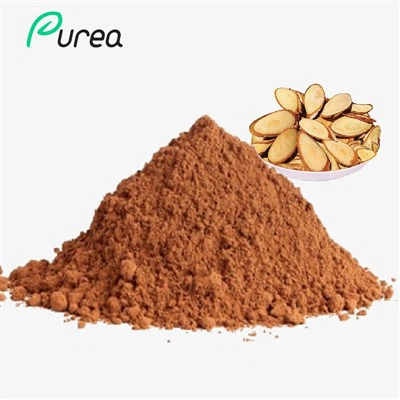
As the demand for natural health supplements and plant-based functional ingredients continues to rise, pine bark extract powder has emerged as a highly valued component in the nutraceutical industry. Sourced primarily from Pinus pinaster, this botanical extract is well known for its rich concentration of proanthocyanidins, polyphenols, and flavonoids, compounds that are widely researched for their role in supporting antioxidant defense, cardiovascular function, and skin health. With increasing consumer awareness of oxidative stress and its impact on aging and chronic conditions, pine bark extract is gaining attention as a science-backed, multifunctional ingredient.
What sets pine bark extract apart is its ability to deliver broad-spectrum health benefits through its powerful antioxidant activity. These bioactive compounds help protect cells from free radical damage, support healthy blood circulation, and contribute to maintaining collagen integrity and skin elasticity. As a result, pine bark extract powder is commonly used in dietary supplements, beauty-from-within formulas, and functional wellness products aimed at promoting both internal health and external appearance.
With its strong positioning in anti-aging, cardiovascular support, and daily wellness formulations, pine bark extract powder continues to attract interest from both researchers and supplement manufacturers. Exploring the key health benefits associated with this botanical helps illustrate its growing role in modern nutraceutical and functional health markets.
How Does Pine Bark Extract Support Cardiovascular Health?
1. Rich Source of Proanthocyanidins
Pine bark extract, particularly from Pinus pinaster, is rich in proanthocyanidins, a class of powerful polyphenolic compounds known for their cardiovascular benefits. These compounds exhibit strong antioxidant activity, helping protect blood vessels from oxidative damage and maintaining vascular integrity. By reducing lipid peroxidation, they may also help prevent the formation of atherosclerotic plaques in arteries.
2. Enhancement of Endothelial Function
The endothelium, or inner lining of blood vessels, plays a crucial role in regulating vascular tone and circulation. Pine bark extract has been shown to support endothelial function by protecting these cells and improving their responsiveness. Enhanced endothelial health contributes to better blood flow regulation and reduced risk of vascular dysfunction.
3. Promotion of Nitric Oxide Production
One of the key mechanisms behind pine bark extract's cardiovascular benefits is its ability to stimulate the production of nitric oxide (NO). Nitric oxide is essential for vasodilation, allowing blood vessels to relax and widen. Increased NO availability improves circulation, supports healthy blood pressure levels, and enhances oxygen delivery to tissues.

4. Support for Healthy Blood Pressure
Research indicates that pine bark extract may help maintain healthy blood pressure levels. Its vasodilatory effects, combined with antioxidant protection, can reduce vascular resistance and improve arterial flexibility. Clinical studies and meta-analyses have reported reductions in both systolic and diastolic blood pressure following supplementation with standardized pine bark extract.
5. Improvement of Lipid Profiles
Pine bark extract may also contribute to cardiovascular health by supporting healthy cholesterol balance. Studies suggest that its bioactive compounds can help reduce LDL (low-density lipoprotein) cholesterol while improving HDL (high-density lipoprotein) levels. These effects may lower the risk of plaque buildup and promote long-term heart health.
6. Reduction of Inflammation and Platelet Aggregation
Chronic inflammation and excessive platelet aggregation are key contributors to cardiovascular disease. Pine bark extract contains flavonoids and phenolic acids that exhibit anti-inflammatory effects and help reduce platelet aggregation. This may lower the risk of clot formation and support smoother blood flow through the circulatory system.
Can It Help Reduce Oxidative Stress and Support Anti-Aging?
1. High Antioxidant Capacity of Pine Bark Extract
Pine bark extract, particularly from Pinus pinaster, is widely recognized for its strong antioxidant activity due to its high content of proanthocyanidins and polyphenols. These compounds can neutralize free radicals and reactive oxygen species (ROS), which are major contributors to oxidative stress. Research has shown that pine bark extract acts as a potent scavenger of both oxygen and nitrogen radicals, helping protect cellular components from damage
2. Reduction of Oxidative Stress Markers
Experimental studies demonstrate that supplementation with pine bark extract can significantly reduce biomarkers associated with oxidative stress. In animal models, treatment with Pycnogenol® led to improvements in oxidative balance and reduced damage caused by free radicals. These findings suggest that pine bark extract may support the body's endogenous antioxidant defense systems and improve overall cellular resilience
3. Enhancement of the Antioxidant Network
One unique feature of pine bark extract is its ability to interact with and enhance the body's antioxidant network. It has been shown to help regenerate key antioxidants such as vitamin C and vitamin E, thereby extending their activity in the body. This synergistic effect amplifies the overall antioxidant defense and provides broader protection against oxidative damage
4. Protection Against Skin Aging
Oxidative stress is a major factor in skin aging, contributing to collagen degradation, loss of elasticity, and the formation of wrinkles. Studies using human skin models have shown that pine bark extract can reduce oxidative damage induced by environmental pollutants and decrease lipid peroxidation. These effects suggest that it may help protect the skin from premature aging and environmental stressors

5. Anti-Inflammatory Effects Linked to Aging
Chronic low-grade inflammation is closely associated with aging, often referred to as "inflammaging." Pine bark extract exhibits anti-inflammatory properties that can help modulate inflammatory pathways and reduce cellular stress. Research indicates that its bioactive compounds can influence signaling pathways related to inflammation and oxidative stress, supporting healthier aging processes
6. Support for Cellular Longevity and Tissue Health
Beyond antioxidant and anti-inflammatory effects, pine bark extract may also support cellular longevity by protecting DNA, proteins, and lipids from oxidative damage. Its ability to improve microcirculation and maintain tissue integrity further contributes to anti-aging benefits, including better skin appearance and overall physiological function.
What Role Does It Play in Skin Health and Collagen Protection?
1. Rich Source of Skin-Supporting Polyphenols
Pine bark extract, particularly from Pinus pinaster, is rich in proanthocyanidins, flavonoids, and phenolic acids, which are known for their beneficial effects on skin health. These bioactive compounds help protect skin cells from environmental stressors and contribute to maintaining the structural integrity of the skin. Their antioxidant capacity plays a central role in preserving skin vitality and preventing premature aging.
2. Protection Against Collagen Degradation
Collagen is a key structural protein responsible for skin firmness and elasticity. Pine bark extract has been shown to help protect collagen fibers from degradation by inhibiting enzymes such as matrix metalloproteinases (MMPs), which break down collagen during aging and oxidative stress. By reducing the activity of these enzymes, pine bark extract may help maintain skin structure and delay the formation of wrinkles.
3. Enhancement of Collagen Synthesis
In addition to protecting existing collagen, pine bark extract may also support collagen production. Its polyphenolic compounds can stimulate fibroblast activity, which plays a key role in collagen synthesis. Furthermore, pine bark extract has been shown to enhance the activity of vitamin C, an essential cofactor in collagen formation, thereby supporting overall skin regeneration and repair.
4. Antioxidant Defense Against Skin Aging
Oxidative stress caused by UV radiation, pollution, and other environmental factors is a major contributor to skin aging. Pine bark extract's strong antioxidant properties help neutralize free radicals and reduce oxidative damage to skin cells. This protective effect helps preserve collagen and elastin, which are essential for maintaining skin elasticity and smoothness.
5. Improvement of Skin Hydration and Elasticity
Research indicates that supplementation with pine bark extract may improve skin hydration, elasticity, and smoothness. By enhancing microcirculation and supporting the skin's extracellular matrix, it can help improve nutrient delivery to skin tissues. This contributes to a more hydrated and resilient skin barrier, which is important for overall skin health and appearance.

6. Support for Microcirculation and Nutrient Delivery
Healthy skin depends on efficient blood flow to deliver oxygen and nutrients. Pine bark extract has been shown to improve microcirculation, which supports skin metabolism and repair processes. Improved circulation may also contribute to a more even skin tone and enhanced recovery from environmental stress.
Does Pine Bark Extract Support Circulation and Microvascular Health?
1. Overview of Circulatory Benefits
Pine bark extract, commonly derived from Pinus pinaster and standardized as Pycnogenol®, has been extensively studied for its role in supporting circulation and microvascular health. Its rich composition of proanthocyanidins and polyphenols contributes to improved vascular function, making it a popular ingredient in supplements targeting blood flow, vein health, and capillary integrity.
2. Improvement of Endothelial Function
The endothelium plays a critical role in regulating blood vessel tone and circulation. Pine bark extract has been shown to enhance endothelial function by protecting endothelial cells from oxidative stress and improving their responsiveness. This leads to better regulation of vascular dilation and constriction, which is essential for maintaining healthy circulation.
3. Enhancement of Nitric Oxide Production
One of the key mechanisms behind improved circulation is the stimulation of nitric oxide (NO) production. Pine bark extract helps increase NO availability, promoting vasodilation and improving blood flow. Enhanced NO activity allows blood vessels to relax, which can improve oxygen and nutrient delivery throughout the body, particularly in microvascular networks.
4. Support for Capillary Strength and Integrity
Microvascular health depends heavily on the strength and permeability of capillaries. Pine bark extract has been found to strengthen capillary walls and reduce excessive permeability, which may help prevent fluid leakage and swelling. This is particularly relevant in conditions involving fragile capillaries or poor microcirculation, such as chronic venous insufficiency.
5. Reduction of Edema and Venous Symptoms
Clinical studies have demonstrated that pine bark extract can help reduce edema (fluid retention) and symptoms associated with venous disorders, including leg heaviness and swelling. By improving venous tone and microcirculation, it supports more efficient blood return and reduces the burden on the vascular system.

6. Antioxidant and Anti-Inflammatory Effects on Blood Vessels
Oxidative stress and inflammation are major contributors to vascular dysfunction. Pine bark extract's strong antioxidant and anti-inflammatory properties help protect blood vessels from damage and maintain their elasticity. This protective effect is particularly important for preserving microvascular health over time and preventing circulatory decline.
What Scientific Studies Support These Functional Benefits?
1. Evidence from Randomized Controlled Trials
Pine bark extract (Pycnogenol) is supported by a substantial body of clinical research, including randomized, double-blind, placebo-controlled trials (RCTs). A recent comprehensive review reported that more than 39 RCTs involving over 2,000 participants have evaluated its effects across cardiovascular, metabolic, skin, and inflammatory conditions. These trials provide a strong scientific foundation for its functional benefits and safety profile
2. Clinical Studies on Endothelial Function
One well-known human study demonstrated that supplementation with pine bark extract significantly improved endothelium-dependent vasodilation. In this randomized, placebo-controlled trial, participants taking Pycnogenol showed enhanced forearm blood flow response, indicating improved vascular function. This supports its role in promoting circulation and cardiovascular health
3. Research on Oxidative Stress Reduction
Several studies have investigated the antioxidant effects of pine bark extract. Clinical and experimental research has shown that supplementation can increase plasma antioxidant capacity and reduce oxidative stress markers. For example, human trials reported increased oxygen radical absorbance capacity (ORAC), reflecting improved systemic antioxidant defense
4. Studies on Skin Protection and Anti-Aging
Scientific research also supports the use of pine bark extract in skin health and anti-aging applications. An ex vivo human skin study demonstrated that Pycnogenol significantly reduced oxidative stress markers and lipid peroxidation in skin exposed to environmental pollutants. These findings highlight its protective role against environmental damage and premature skin aging
5. Evidence for Anti-Inflammatory and Enzyme Modulation
Laboratory studies have shown that metabolites of pine bark extract can inhibit matrix metalloproteinases (MMP-1, MMP-2, and MMP-9)-enzymes involved in collagen breakdown and tissue degradation. This provides mechanistic evidence for its role in collagen protection, anti-aging, and anti-inflammatory activity

6. Research on Cardiovascular Risk Factors
Additional clinical studies have explored pine bark extract's effects on cardiovascular risk markers such as blood pressure, cholesterol, and endothelial health. Some trials reported improvements in blood pressure regulation, LDL cholesterol reduction, and oxidative stress levels, although results can vary depending on study design, dosage, and population. This highlights both its potential benefits and the need for continued research
Conclusion
As we've explored, pine bark extract powder is a versatile botanical ingredient with multiple scientifically supported health benefits. From supporting cardiovascular function and improving microvascular circulation to reducing oxidative stress and promoting anti-aging effects, its rich composition of proanthocyanidins, flavonoids, and polyphenols underpins these functional properties.
Its role in skin health and collagen protection highlights its potential not only for internal wellness but also for beauty-from-within formulations, contributing to elasticity, hydration, and protection against environmental stressors. Meanwhile, its vascular and circulatory benefits demonstrate how pine bark extract can support overall cardiovascular health, healthy blood pressure, and improved nutrient delivery throughout the body.
Backed by a range of clinical trials and experimental studies, pine bark extract powder stands out as a science-backed, multifunctional ingredient that can be integrated into nutraceuticals, functional foods, and wellness supplements. As consumer demand continues to grow for natural, plant-based solutions that combine internal and external health benefits, pine bark extract remains a compelling choice for both manufacturers and health-conscious individuals alike.
Purea Biological is unwavering in its commitment to offering the highest-quality, pure, and natural plant extracts to customers across the globe. With a core focus on innovation, integrity, and excellence, we proudly remain at the forefront of the industry in plant extracts, fruit and vegetable powders, and peptide powders. Our relentless pursuit of research and development allows us to adapt to the evolving demands of our international clientele. Additionally, our strict quality control procedures ensure that every product we provide is dependable. As we continue to aspire to be the global leader in this field, we invite you to join us in our journey toward improved health and sustainable progress. For further information or inquiries, feel free to contact us at sales@pureabio.com. Together, let's create a healthier future!
References
1.Rohdewald, P. A Review of the French Maritime Pine Bark Extract (Pycnogenol), a Herbal Medication with a Diverse Clinical Pharmacology. International Journal of Clinical Pharmacology and Therapeutics, 2002, pp. 158–168.
2.Liu, X.; Wei, J.; Tan, F.; Zhou, S.; Würthwein, G.; Rohdewald, P. Antidiabetic Effect of Pycnogenol French Maritime Pine Bark Extract in Patients with Diabetes Type II. Life Sciences, 2004, pp. 2505–2513.
3.Packer, Lester; Rimbach, Gerald; Virgili, Fabio. Antioxidant Activity and Biologic Properties of a Procyanidin-Rich Extract from Pine (Pinus maritima) Bark, Pycnogenol. Free Radical Biology and Medicine, 1999, pp. 704–724.
4.Maritim, A.; Dene, B. A.; Sanders, R. A.; Watkins, J. B. Effects of Pycnogenol Treatment on Oxidative Stress in Streptozotocin-Induced Diabetic Rats. Journal of Biochemical and Molecular Toxicology, 2003, pp. 193–199.
5.Grimm, Tanja; Schäfer, Angelika; Högger, Petra. Antioxidant Activity and Inhibition of Matrix Metalloproteinases by Metabolites of Maritime Pine Bark Extract. Free Radical Biology and Medicine, 2004, pp. 811–822.
6.Belcaro, Giovanni; Cesarone, Maria R.; et al. Prevention of Venous Thrombosis and Thrombophlebitis in Long-Haul Flights with Pycnogenol. Clinical and Applied Thrombosis/Hemostasis, 2004, pp. 373–377.
7.Cesarone, Maria R.; Belcaro, Giovanni; et al. Improvement of Microcirculation and Reduction of Edema with Pycnogenol in Chronic Venous Insufficiency. Angiology, 2006, pp. 569–576.
8.Fitzpatrick, D. F.; Bing, B.; Rohdewald, P. Endothelium-Dependent Vasodilation After Pycnogenol Supplementation. Journal of Cardiovascular Pharmacology, 2008, pp. 1–6.