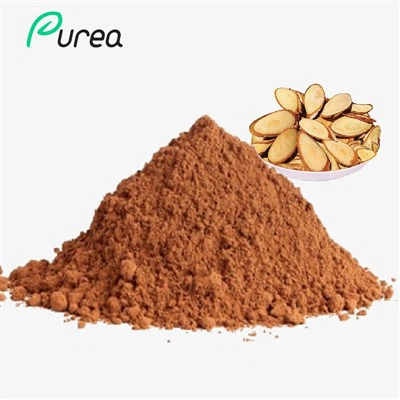
Nettle extract powder, derived from the leaves of Urtica dioica, is rapidly becoming a sought-after ingredient in the herbal extract, dietary supplement, and functional food ingredient markets. Known for its rich nutritional profile, stinging nettle extract naturally contains flavonoids, polyphenols, vitamins, and essential minerals, making it a popular choice for plant-based wellness products. Through advanced extraction and spray-drying processes, these active compounds are concentrated into a high-quality nettle extract powder that offers improved stability, consistent potency, and easy formulation.
The growing attention around nettle leaf extract powder is driven by increasing demand for clean-label botanical ingredients, natural antioxidant supplements, and green superfood powders. Manufacturers value its versatility in applications such as capsules, tablets, herbal blends, protein powders, detox formulas, and functional beverages. In addition to its traditional reputation for supporting joint health, urinary health, and seasonal wellness, nettle extract powder aligns perfectly with today's consumer preference for natural, non-GMO, and minimally processed herbal ingredients.
As the global market continues shifting toward plant-based nutrition and botanical supplements, nettle extract powder stands out as a scientifically supported, consumer-recognized ingredient that bridges traditional herbal medicine with modern product innovation.
Botanical Origin and Traditional Use
1.Botanical Classification and Geographic Distribution
Urtica dioica, commonly known as stinging nettle, is a perennial flowering plant belonging to the family Urticaceae. It is widely distributed across Europe, Asia, North America, and parts of North Africa. The plant thrives in nutrient-rich soils and temperate climates, often growing in meadows, forest edges, and along riverbanks. Its distinctive serrated leaves and fine stinging hairs (trichomes) are key botanical characteristics used for identification.
2.Morphological and Phytochemical Characteristics
The aerial parts-particularly the leaves-are most commonly used in herbal preparations. Nettle leaves contain a broad spectrum of bioactive compounds, including flavonoids (such as quercetin and rutin), phenolic acids, chlorophyll, carotenoids, vitamins (notably vitamin C and K), and essential minerals like iron and calcium. The root, by contrast, has a different phytochemical profile and has traditionally been used for separate therapeutic purposes.
This complex phytochemistry explains the long-standing use of nettle in traditional herbal systems.
3.Traditional European Herbal Medicine
In European folk medicine, nettle has been used for centuries as a tonic herb. Historical records describe its use for supporting joint comfort, promoting urinary health, and assisting seasonal wellness. Traditional preparations included infusions (herbal teas), decoctions, and topical applications.
Medieval European herbal texts frequently referenced nettle as a strengthening spring herb, often consumed after winter months to restore vitality. Its classification as a nutritive botanical contributed to its enduring reputation.

4.Use in Traditional Asian Practices
Beyond Europe, nettle has also appeared in various traditional medicinal systems in Asia. In these contexts, it has been used similarly as a general supportive herb. The leaves were commonly dried and prepared as teas or incorporated into herbal mixtures designed to promote overall balance and wellness.
While usage methods varied regionally, the plant's role as a restorative and nutritive botanical remained consistent across cultures.
5.Nutritional and Functional Heritage
Historically, nettle was not only medicinal but also nutritional. In times of scarcity, young nettle leaves were cooked as a vegetable due to their high micronutrient content. This dual function-food and medicine-strengthened its cultural value.
The traditional use of nettle as both nourishment and herbal support contributes to its modern positioning as a functional botanical ingredient.
6.Transition to Modern Herbal Applications
With the advancement of phytochemical research and standardized extraction methods, nettle has transitioned from folk remedy to scientifically studied botanical. Contemporary herbal monographs recognize its traditional uses while evaluating safety and efficacy through pharmacological research.
Today, nettle extract powder reflects this evolution: it preserves the plant's traditional heritage while meeting modern quality standards for dietary supplements and functional formulations.
7.Continuing Relevance in Modern Markets
The sustained global interest in plant-based wellness has renewed attention to botanicals with long histories of safe traditional use. Because Urtica dioica is well-documented in pharmacognosy literature and traditional medicine systems, it offers both historical credibility and modern market relevance.
Its botanical origin and centuries of documented application provide a strong foundation for contemporary nutraceutical and clean-label product development
Key Bioactive Compounds
1. Overview of the Phytochemical Profile
Urtica dioica contains a diverse array of bioactive compounds distributed across its leaves, stems, and roots. The aerial parts are particularly rich in flavonoids, phenolic acids, vitamins, minerals, and pigments, while the roots contain sterols, lignans, and other distinct constituents. This complex phytochemical composition underpins nettle's long-standing traditional use and its modern applications in dietary supplements and botanical formulations.
2. Flavonoids
Flavonoids are among the most significant bioactive compounds in nettle leaves. Identified constituents include quercetin, kaempferol, isorhamnetin, and rutin. These polyphenolic compounds are widely recognized for their antioxidant properties and their contribution to cellular protection against oxidative stress.
Flavonoids in nettle are typically present as glycosides, which influence their solubility and bioavailability. Their presence contributes substantially to the functional value of nettle extract powder in wellness-oriented products.
3. Phenolic Acids
In addition to flavonoids, nettle contains phenolic acids such as caffeic acid, chlorogenic acid, and ferulic acid. These compounds further enhance antioxidant potential and contribute to the plant's overall bioactivity profile.
Phenolic acids also play a role in plant defense mechanisms, and in human applications, they are associated with protective physiological effects, supporting the positioning of nettle as a functional botanical ingredient.
4. Vitamins and Minerals
Nettle leaves are nutritionally dense and naturally contain vitamins A, C, and K, along with B-complex vitamins in smaller amounts. Mineral content includes iron, calcium, magnesium, potassium, and silica.
This micronutrient profile explains why nettle has historically been consumed as both food and herbal tonic. The combination of vitamins and minerals enhances its appeal in green superfood blends and plant-based nutritional supplements.
5. Chlorophyll and Carotenoids
The deep green color of nettle leaves reflects a high chlorophyll content. Chlorophyll contributes antioxidant capacity and supports detox-oriented product positioning. Carotenoids, including beta-carotene and lutein, are also present and contribute additional antioxidant activity.
These pigments not only provide functional benefits but also influence the visual and marketing appeal of nettle-based powders.
6. Root-Specific Compounds: Sterols and Lignans
While leaf extracts are common in nutritional applications, nettle root contains bioactive sterols (such as beta-sitosterol) and lignans. These compounds differ chemically from leaf constituents and are often associated with specific wellness applications.
This distinction highlights the importance of identifying plant part origin when standardizing nettle extract powder, as phytochemical composition varies significantly between leaves and roots.

7. Synergistic Phytochemical Matrix
Rather than acting independently, nettle's bioactive compounds function within a synergistic phytochemical matrix. The combined presence of flavonoids, phenolic acids, micronutrients, and plant sterols contributes to the overall biological activity of the extract.
This synergy supports the modern use of nettle extract powder as a comprehensive botanical ingredient rather than a single-compound supplement.
Nutritional Density and Natural Positioning
1. A Nutrient-Rich Botanical Foundation
Urtica dioica is widely recognized for its exceptional nutritional density. The leaves contain a broad spectrum of essential micronutrients, including vitamins A, C, and K, as well as minerals such as iron, calcium, magnesium, and potassium. This naturally occurring nutrient profile positions nettle as both a traditional food source and a functional botanical ingredient.
Unlike highly refined synthetic additives, nettle extract powder retains a complex nutritional matrix that supports whole-plant positioning in modern formulations.
2. Vitamin Content and Functional Value
Nettle leaves are particularly valued for their vitamin K and vitamin C content. Vitamin K contributes to normal blood clotting and bone metabolism, while vitamin C supports antioxidant defense and immune function. The presence of beta-carotene (a precursor to vitamin A) further enhances its nutritional relevance.
This vitamin richness strengthens nettle's positioning as a green superfood ingredient suitable for dietary supplements and functional beverages.
3. Mineral Density and Bioavailability
The mineral composition of nettle includes bioavailable forms of iron and calcium, making it historically important in traditional diets. Its mineral density has contributed to its reputation as a restorative spring tonic in European herbal traditions.
For modern consumers seeking plant-based mineral sources, nettle extract powder aligns with the demand for naturally derived micronutrients rather than synthetic fortification alone.
4. Chlorophyll and Phytonutrient Content
The deep green coloration of nettle leaves reflects significant chlorophyll content, often associated with detox-oriented and alkalizing product claims. Additionally, nettle contains flavonoids and phenolic compounds that provide antioxidant activity.
This combination of phytonutrients enhances the perception of nettle as a "green nutrition" ingredient, supporting wellness-focused branding strategies.
5. Whole-Plant Synergy and Clean Label Appeal
Nutritional density in botanicals is not limited to isolated nutrients; it reflects the synergistic interaction of multiple compounds within a natural matrix. Nettle extract powder preserves many of these naturally co-occurring components, reinforcing its identity as a minimally processed ingredient.
In clean-label markets, this whole-plant integrity is highly valued. Consumers increasingly favor recognizable botanical names over synthetic nutrient blends, strengthening nettle's natural positioning.
6. Alignment with Plant-Based and Sustainable Trends
As plant-based nutrition continues to expand globally, nutrient-dense botanicals like nettle gain renewed attention. Its dual identity as both food and medicinal herb supports flexible positioning across supplements, functional foods, and herbal teas.
Moreover, nettle grows abundantly in temperate climates and requires relatively low agricultural input, contributing to sustainability narratives that further enhance natural brand positioning.
7. Market Relevance and Consumer Trust
The convergence of nutritional density, traditional heritage, and modern scientific documentation provides nettle extract powder with strong credibility. Because Urtica dioica has been extensively described in pharmacognosy and herbal monographs, manufacturers can confidently communicate both safety and functionality.
This combination of documented nutrient richness and botanical authenticity makes nettle extract powder an attractive ingredient for brands emphasizing transparency, plant-based nutrition, and clean-label values.
From Traditional Herb to Modern Ingredient
1. Historical Roots in Traditional Medicine
Urtica dioica has been used for centuries across Europe and parts of Asia as both a medicinal herb and a nutritious food source. Traditional preparations included infusions, decoctions, and cooked greens, commonly consumed as spring tonics to restore vitality after winter. Historical herbal texts documented its use for supporting joint comfort, urinary health, and general well-being, establishing a long-standing ethnobotanical reputation.
This early integration into daily life laid the foundation for its continued relevance in natural health systems.

2. Transition from Folk Remedy to Documented Herbal Medicine
With the development of pharmacognosy in the 19th and 20th centuries, nettle began to be systematically studied and cataloged in European herbal monographs. Researchers identified key phytochemicals such as flavonoids, phenolic acids, sterols, and lignans, linking traditional observations with measurable bioactive compounds.
This scientific validation strengthened nettle's credibility and facilitated its inclusion in standardized herbal pharmacopeias.
3. Phytochemical Research and Standardization
Advances in analytical chemistry enabled precise identification and quantification of nettle's active constituents. High-performance liquid chromatography (HPLC) and other analytical techniques allowed manufacturers to standardize extracts based on defined markers.
Standardization marked a turning point: nettle shifted from variable traditional preparations to reproducible, quality-controlled botanical extracts suitable for industrial production.
4. Development of Modern Extraction Technologies
Modern extraction and drying technologies-such as hydroalcoholic extraction and spray-drying-transformed nettle into a stable powdered ingredient. These processes preserve bioactive compounds while improving shelf life, transport efficiency, and formulation compatibility.
As a result, nettle extract powder became adaptable to capsules, tablets, functional beverages, and powdered blends, aligning with contemporary supplement manufacturing standards.
5. Integration into Nutraceutical and Functional Food Markets
The global rise of plant-based nutrition and preventive wellness has accelerated the commercialization of nettle. Today, nettle extract is positioned as a botanical ingredient in dietary supplements, herbal teas, and green superfood products.
Its dual identity-both nutritive and functional-enables flexible application across product categories, reinforcing its transition from traditional herb to multifunctional modern ingredient.
6. Regulatory Recognition and Quality Control
Unlike newly emerging botanicals, nettle has been extensively described in authoritative pharmacognosy references and herbal monographs. This documentation supports regulatory familiarity and facilitates international trade.
Quality control standards, including identification testing, purity verification, and active compound quantification, further reinforce nettle's status as a professionally manufactured botanical ingredient.
7. Bridging Tradition and Innovation
The journey of Urtica dioica illustrates how traditional herbal knowledge can evolve through scientific research and technological innovation. What began as a regional folk remedy has become a globally recognized botanical raw material.
By combining documented heritage, phytochemical research, and modern processing methods, nettle exemplifies the successful transformation of a traditional herb into a standardized, market-ready ingredient for contemporary health and wellness industries.
Market Growth and Consumer Interest
1. Rapid Expansion of the Nettle Extract Market
The global nettle extract market is experiencing robust growth, with new industry reports projecting significant value increases in the coming decade. For example, one market analysis estimates the nettle extract market could grow from approximately USD 325.8 million in 2025 to USD 512.7 million by 2032, reflecting a compound annual growth rate (CAGR) of around 6.7% driven by rising demand for plant-based ingredients across multiple sectors.
This sustained expansion highlights nettle extract's emerging value as a botanical raw material beyond traditional uses.
2. Consumer Preference for Natural and Plant-Based Solutions
Modern consumers are increasingly seeking natural, plant-derived ingredients in both wellness and personal care products. Cleaner labels, reduced synthetic additives, and transparent sourcing are core drivers of this trend, particularly among health-conscious demographics such as millennials and Gen Z. This shift has translated into broader adoption of nettle extract in supplements, teas, and skincare products due to its antioxidant and anti-inflammatory properties.
Nettle's positioning as a naturally derived ingredient strengthens its appeal among these consumer segments.
3. Expansion Across Multiple Application Segments
The growing use of nettle extract spans nutraceuticals, functional foods, dietary supplements, and cosmetics. Market segmentation data shows strong interest in personal care applications, where nettle's bioactive components are valued for hair and scalp benefits, as well as in dietary supplements targeting joint health and seasonal well-being.
This application diversity contributes to resilience and broad market relevance.
4. Regional Growth Dynamics
Geographically, consumption patterns vary, but demand is increasing globally. Europe currently leads consumption due to a long tradition of herbal remedy use, whereas Asia-Pacific is being projected as the fastest-growing region, driven by expanding middle-class demand for organic and traditional medicinal products.
North America is also a major market, particularly for nutraceutical and clean-label formulations.

5. E-Commerce and Accessibility Driving Consumer Adoption
Digital retail channels have further accelerated consumer access to nettle-based products. With growing online availability, individuals can easily discover and purchase nettle supplements, teas, and extracts. This accessibility reinforces consumer interest, particularly as online platforms increasingly highlight product benefits and sustainability credentials.
E-commerce thus plays a key role in market expansion.
6. Interest in Herbal Efficacy and Functional Benefits
Beyond general wellness trends, consumer interest is heightened by nettle's well-documented functional properties, including anti-inflammatory effects, antioxidant support, and micronutrient richness. Clinical awareness and traditional usage stories bolster confidence, encouraging repeat purchases and loyalty toward nettle-infused products.
This balance of tradition and evidence fuels long-term interest.
7. Outlook and Future Potential
Looking ahead, the nettle extract market is poised to continue growth, supported by innovation in extraction technology, expansion into new product formats, and sustainability-driven sourcing practices. As plant-focused consumer demand remains strong, nettle extract is positioned to capture an increasing share of botanical ingredient markets worldwide.
Conclusion
From its roots in traditional herbal medicine to its role in modern nutraceutical and functional formulations, Urtica dioica has successfully evolved into a highly valued botanical ingredient. Nettle extract powder captures the plant's rich heritage while delivering standardized bioactive compounds, nutritional density, and formulation versatility suited to today's health-conscious market.
Its well-documented phytochemical profile, combined with naturally occurring vitamins and minerals, supports strong clean-label positioning and plant-based product development. At the same time, advances in extraction and drying technologies have transformed nettle from a traditional infusion herb into a stable, scalable, and quality-controlled ingredient for global industries.
As consumer demand continues to favor transparency, sustainability, and botanical authenticity, nettle extract powder stands at the intersection of tradition and innovation. For brands seeking to align scientific credibility with natural appeal, it represents not just a heritage herb-but a forward-looking ingredient with growing market momentum.
Purea Biological is unwavering in its commitment to offering the highest-quality, pure, and natural plant extracts to customers across the globe. With a core focus on innovation, integrity, and excellence, we proudly remain at the forefront of the industry in plant extracts, fruit and vegetable powders, and peptide powders. Our relentless pursuit of research and development allows us to adapt to the evolving demands of our international clientele. Additionally, our strict quality control procedures ensure that every product we provide is dependable. As we continue to aspire to be the global leader in this field, we invite you to join us in our journey toward improved health and sustainable progress. For further information or inquiries, feel free to contact us at sales@pureabio.com. Together, let's create a healthier future!
References
1.Barnes, J., Anderson, L. A., & Phillipson, J. D. (2007). Herbal Medicines (3rd ed.). Pharmaceutical Press, pp. 447–451.
2.Blumenthal, M., Goldberg, A., & Brinckmann, J. (2000). Herbal Medicine: Expanded Commission E Monographs. American Botanical Council, pp. 275–280.
3.Chrubasik, J. E., Roufogalis, B. D., Wagner, H., & Chrubasik, S. (2007). A comprehensive review on nettle effect and efficacy profiles. Phytomedicine, 14(7–8), pp. 568–579.
4.Bruneton, J. (1999). Pharmacognosy, Phytochemistry, Medicinal Plants (2nd ed.). Lavoisier Publishing, pp. 199–202.
5.Upton, R. (Ed.). (2013). Stinging Nettle Leaf (Urtica dioica L.): Analytical, Quality Control, and Therapeutic Monograph. American Herbal Pharmacopoeia, pp. 5–15.
6.Evans, W. C. (2009). Trease and Evans' Pharmacognosy (16th ed.). Saunders Elsevier, pp. 275–277.
7.Upton, R. (Ed.). (2013). Stinging Nettle Leaf (Urtica dioica L.): Analytical, Quality Control, and Therapeutic Monograph. American Herbal Pharmacopoeia, pp. 3–18.
8.PW Consulting Chemical & Energy Research Center. (2023). Stinging Nettle Extract Consumer Trends, pp. 1–5.