As consumer expectations evolve, the definition of product quality is no longer limited to performance alone-it now includes transparency, simplicity, and ingredient integrity. The global shift toward clean label products has prompted manufacturers across the food, beverage, and nutraceutical sectors to reevaluate their formulations and sourcing strategies. Artificial additives, synthetic flavor enhancers, and chemically modified ingredients are increasingly being replaced by recognizable, plant-based alternatives that align with modern wellness values.
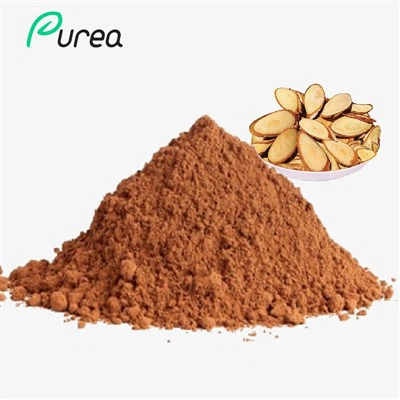
In this context, Cinchona Bark Powder has reemerged as a compelling botanical ingredient. Derived from the bark of the Cinchona tree and naturally rich in alkaloids such as quinine, it offers both functional performance and strong heritage appeal. Beyond its traditional association with tonic beverages, cinchona provides a naturally complex bitter profile, formulation versatility, and compatibility with minimally processed product concepts.
For manufacturers seeking to simplify ingredient lists while maintaining sensory quality and functional differentiation, cinchona bark powder represents more than a historical botanical-it is a strategic solution aligned with clean label innovation.
What Defines a "Clean Label" Botanical Ingredient?
1. Clean Label: A Consumer-Driven Concept
The term "clean label" does not have an official regulatory definition, but it has become widely used in food science and industry to describe products with ingredient lists that consumers find simple, transparent, and natural. Rather than being an official certification, clean label reflects consumer expectations that foods and beverages contain ingredients that are recognizable, minimally processed, and free from artificial additives and chemical sounding components. This perception of "naturalness" and simplicity is a major driver of modern purchasing decisions.
2. Simplicity and Recognizable Ingredients
At its core, a clean label botanical ingredient is one that appears on a product's ingredient list and is easily understood by consumers. Ingredients such as herbs, plant extracts, or whole botanical powders (e.g., ginger, turmeric, rosemary, or cinchona bark) fit the expectation because they are familiar and not "chemical-sounding." In contrast, long chemical names or synthetic compounds are often perceived negatively. Academia describes a clean label product as having a short, simple ingredient list containing familiar, kitchen-cupboard type ingredients that consumers recognize and trust.
3. Absence of Artificial Additives
A key characteristic of clean label ingredients is avoidance of artificial additives, such as artificial colours, synthetic flavours, or certain preservatives. While this avoidance is not always mandated by law, it aligns with consumer preferences for products that appear closer to their natural state. Many clean label formulations also highlight what is not included on the label-such as "no artificial preservatives" or "no synthetic flavourings"-which reinforces the clean label perception.
4. Minimal Processing and Production Transparency
Clean label does not just apply to the ingredient list-it is also tied to production processes. Ingredients that undergo minimal processing and maintain a clear connection to their botanical origin are more likely to be perceived as clean label. Consumers tend to associate descriptors like "cold-pressed," "sun-dried," or "water-extracted" with less processing and higher natural integrity, even if there is no legal definition enforcing such claims. Transparency about sourcing and how an ingredient is produced further enhances clean label credibility.

5. Consumer Perception and Clean Label Acceptance
Scientific studies confirm that consumers make decisions based on their perception of ingredients, not strict definitions. Research in food quality and preference shows that ingredients seen as natural, harmless, and familiar are more likely to be accepted as clean label by consumers-especially when compared with unfamiliar synthetic names or industrially processed constituents. In other words, whether an ingredient is considered clean label often depends on how consumers interpret the ingredient list itself.
How Does Cinchona Support Transparent Formulations?
1. Chemical Profile of Cinchona Bark
Cinchona officinalis and related species such as Cinchona succirubra are rich in quinoline alkaloids, primarily quinine, quinidine, cinchonine, and cinchonidine. These compounds are relatively low–molecular weight, crystalline alkaloids that exhibit moderate polarity and salt-forming capacity. Their physicochemical characteristics-particularly their ability to form water-soluble salts-make them suitable for incorporation into hydroalcoholic and aqueous cosmetic systems without generating turbidity.
Because transparency in formulations depends heavily on molecular dispersion rather than particulate suspension, the alkaloid-rich extracts of Cinchona can be processed into refined, filtered solutions that remain optically clear under appropriate pH and solvent conditions.
2. Solubility Behavior and Optical Clarity
Transparent formulations-such as serums, toners, essences, and clear gels-require complete solubilization of active components. Quinine and related alkaloids from Cinchona demonstrate improved aqueous solubility when converted into salts (e.g., quinine sulfate). This ionizable nature supports their integration into water-based systems without leaving insoluble residues.
Furthermore, hydroalcoholic extraction methods remove non-polar fractions (e.g., waxes, insoluble tannins), which are typically responsible for haze formation. Properly purified extracts therefore contribute functional activity while maintaining the refractive uniformity necessary for visual clarity.
3. Compatibility with Aqueous and Hydroalcoholic Systems
Transparent formulations often rely on solvents such as purified water, glycerin, ethanol, or propylene glycol. Alkaloids from Cinchona show compatibility with these polar systems, especially under slightly acidic conditions (pH 4.5–6.0), where ionization enhances solubility.
Because clarity depends on avoiding phase separation and light scattering, the absence of high molecular weight insoluble fractions is critical. Standardized Cinchona extracts that undergo filtration and controlled extraction reduce suspended matter, allowing formulators to design stable clear systems.
4. pH-Dependent Stability and Formulation Control
Alkaloids are weak bases; therefore, their solubility increases in mildly acidic environments. Transparent cosmetic systems typically operate within skin-compatible acidic ranges, which coincidentally optimize alkaloid dissolution. Maintaining proper pH prevents precipitation, which could otherwise cause opacity.
Additionally, careful control of ionic strength and avoidance of incompatible anionic polymers (which may form complexes with alkaloids) ensures long-term clarity. Thus, Cinchona supports transparency not merely through inherent solubility, but through predictable acid–base chemistry that can be managed during formulation development.
5. Refinement and Standardization Enhance Transparency
Raw botanical extracts often contain insoluble plant debris, polyphenols, or high-molecular-weight compounds that compromise optical clarity. Modern extraction technologies-including controlled maceration, solvent fractionation, and membrane filtration-remove these elements.
Research on alkaloid isolation from Cinchona bark demonstrates that chromatographic purification yields well-defined, low-particulate fractions. Such refinement directly contributes to transparency by minimizing light-scattering particles in solution.
6. Functional Contribution Without Visual Interference
Beyond clarity, transparent formulations must maintain aesthetic elegance-low viscosity haze, no sedimentation, and consistent refractive index. Cinchona alkaloids, when used at cosmetic-relevant concentrations, dissolve fully and do not inherently alter transparency.
Their relatively small molecular size and lack of strong coloration (when purified) make them particularly adaptable to clear cosmetic systems. Therefore, Cinchona supports transparent formulations by combining functional botanical activity with manageable physicochemical behavior.

7. Formulation Design Considerations
To ensure optimal transparency when incorporating Cinchona extracts:
1.Use purified or standardized alkaloid fractions.
2.Maintain mildly acidic pH to enhance salt solubility.
3.Avoid incompatible polymers that may cause complexation.
4.Employ fine filtration (≤0.45 µm) to eliminate residual particulates.
5.Conduct accelerated stability testing to monitor haze or precipitation.
Through controlled extraction, purification, and formulation design, Cinchona can effectively support visually clear, stable cosmetic systems.
Can It Replace Artificial Flavoring Agents?
1. Understanding the Flavor Profile of Cinchona
Cinchona officinalis bark is primarily known for its quinoline alkaloids, especially quinine. Quinine delivers a distinctly bitter taste, which has historically been used in beverages such as tonic water. Unlike artificial flavoring agents that are engineered to mimic sweetness, fruitiness, or complex aromatic notes, Cinchona provides a sharp, lingering bitterness. Therefore, its sensory contribution is highly specific rather than broadly substitutive.
Because flavor replacement requires matching both taste intensity and aromatic complexity, Cinchona cannot serve as a universal replacement for artificial flavorings. However, in formulations where bitterness is desirable, it can function as a natural alternative to synthetic bittering agents.
2. Natural Bittering Agent vs. Artificial Flavoring
Artificial flavoring agents are typically synthesized compounds designed to replicate or enhance specific sensory characteristics (e.g., vanillin for vanilla flavor). In contrast, quinine derived from Cinchona bark is a naturally occurring alkaloid with a well-characterized bitter profile.
In beverage technology, quinine has long been used as a bittering component rather than a general flavoring agent. This distinction is critical: replacing artificial flavoring agents requires equivalence in sensory performance, stability, and regulatory approval. Cinchona may replace synthetic bitter compounds, but it cannot replicate diverse artificial flavors such as fruit esters or caramelized notes.
3. Sensory Performance and Intensity
Quinine is one of the most intensely bitter compounds known, with taste detection thresholds reported in the low parts-per-million range. This high potency allows very small quantities to produce significant sensory impact. In this context, Cinchona-derived quinine can effectively substitute synthetic bitter additives used for taste modulation in beverages and functional drinks.
However, bitterness alone does not equal full flavor replacement. Artificial flavor systems often consist of multiple volatile and non-volatile components working synergistically. Cinchona extract lacks the volatile aromatic complexity necessary to mimic fruit, spice, or confectionery profiles.
4. Stability and Processing Considerations
Artificial flavoring agents are often designed for stability under heat, light, and varying pH conditions. Quinine salts exhibit good stability in acidic beverage systems, which explains their longstanding use in tonic water. Nevertheless, whole bark extracts may contain additional compounds that influence clarity, color, and oxidative stability.
For replacement purposes, purified quinine fractions are more appropriate than crude extracts. Controlled extraction and purification ensure reproducibility and reduce variability-an essential requirement for industrial flavor standardization.
5. Regulatory and Safety Constraints
The use of quinine as a flavoring component is regulated in many jurisdictions. Maximum allowable concentrations in beverages are strictly defined due to pharmacological activity at higher doses. These regulatory limits restrict the extent to which Cinchona can replace artificial flavoring agents, particularly in products requiring high flavor intensity.
Artificial flavorings, by contrast, are often selected for minimal physiological activity at use levels. Therefore, while Cinchona may serve as a natural bittering alternative, safety and compliance considerations limit its broader substitution potential.
6. Market Positioning and Consumer Perception
Consumer demand for natural ingredients has increased interest in botanical flavoring alternatives. In premium or craft beverage markets, natural quinine derived from Cinchona may be positioned as a clean-label substitute for synthetic bittering agents.
However, complete replacement of artificial flavor systems would require additional natural aromatic components to achieve balanced sensory profiles. Thus, Cinchona is better understood as a complementary natural bittering agent rather than a comprehensive replacement for artificial flavorings.
What Stability Advantages Does the Powder Form Offer?
1. Reduced Water Activity and Microbial Stability
Powdered botanical ingredients-such as spray-dried or vacuum-dried extracts of Cinchona officinalis-offer significant stability advantages due to their low moisture content. Reduced water activity (aw) limits microbial growth, enzymatic degradation, and hydrolytic reactions. In contrast, liquid extracts contain residual water or solvent systems that may promote chemical instability or require preservatives. By minimizing available moisture, powder forms inherently enhance shelf stability and reduce microbial risk during storage.
2. Improved Chemical Stability
Many phytochemicals, including quinoline alkaloids such as quinine, are susceptible to degradation through hydrolysis, oxidation, and photochemical reactions. In powder form, molecular mobility is reduced because the solid matrix restricts diffusion. Lower molecular mobility slows oxidative and hydrolytic pathways, thereby preserving active compound integrity over extended periods.
Solid-state stability is particularly advantageous for alkaloid-rich extracts, as the absence of bulk solvent reduces degradation kinetics compared with hydroalcoholic solutions.
3. Enhanced Physical Stability and Reduced Phase Separation
Liquid botanical preparations can undergo sedimentation, phase separation, or turbidity formation over time. In contrast, powders remain physically stable when properly dried and protected from humidity. There is no risk of phase stratification or solvent evaporation altering concentration.
This makes powdered extracts easier to standardize and transport. Once incorporated into a formulation, the powder can be dissolved or dispersed under controlled conditions, ensuring reproducibility.

4. Longer Shelf Life and Storage Flexibility
Powdered forms typically exhibit longer shelf life compared to liquid extracts, especially when packaged in moisture-barrier materials. Temperature fluctuations have less impact on solids than on solutions, where freeze–thaw cycles or solvent evaporation may compromise stability.
Additionally, powders are less prone to microbial contamination after initial processing, provided they are stored under dry conditions. This advantage reduces dependency on preservatives during storage prior to formulation.
5. Higher Concentration and Standardization Potential
Powder extracts can be standardized to defined active compound levels (e.g., specific quinine percentages in Cinchona extracts). Because solvent has been removed, powders offer higher concentration per unit mass, enabling accurate dosing and batch-to-batch consistency.
In contrast, liquid extracts may vary in concentration due to solvent evaporation or instability. Standardized powders therefore improve quality control, analytical reproducibility, and regulatory compliance.
6. Reduced Transportation and Handling Risks
From a logistical standpoint, powders are lighter and less susceptible to leakage or solvent volatility issues. The absence of flammable solvents (e.g., ethanol) reduces transportation hazards. Moreover, solid forms are generally more resistant to mechanical stress and do not require special containment to prevent spillage.
These physical and safety advantages indirectly contribute to overall product stability throughout the supply chain.
7. Controlled Reconstitution and Formulation Flexibility
A powder form allows formulators to control the timing and conditions of reconstitution. Instead of storing actives in solution-where degradation may begin immediately-the active compounds remain in a relatively inert state until dissolved. This "just-in-time" solubilization enhances final product stability and enables customized concentration adjustment during manufacturing.
Thus, the powder form offers advantages in chemical preservation, microbial resistance, physical integrity, standardization, and supply chain stability.
How Does It Strengthen Natural Brand Positioning?
1. Botanical Origin and Authentic Heritage
Cinchona officinalis has a long-standing historical association with traditional medicine and natural therapeutics. Its bark, the original source of quinine, has been used for centuries in South America and later in European pharmacopoeias. Incorporating Cinchona-derived ingredients into formulations allows brands to connect their products to a documented botanical lineage, reinforcing authenticity and heritage-two key pillars of natural brand positioning.
Consumers often associate plant-derived ingredients with tradition, traceability, and time-tested efficacy. By referencing the historical significance of Cinchona, brands can strengthen narratives around botanical credibility.
2. Alignment with Clean-Label Trends
Modern consumers increasingly prefer recognizable, plant-based ingredients over synthetic alternatives. Using Cinchona extract or quinine derived from natural bark supports "clean-label" positioning, particularly when the ingredient is minimally processed and solvent residues are controlled.
Unlike artificial additives with complex chemical names, botanical extracts contribute to ingredient lists that appear more transparent and naturally sourced. This perception enhances brand trust and supports marketing claims centered on nature-inspired formulation.
3. Perceived Efficacy and Functional Authenticity
Natural brand positioning requires more than plant origin; it also demands functional credibility. Cinchona's alkaloid content-especially quinine-has well-documented pharmacological activity. While usage levels in cosmetics or beverages differ from medicinal doses, the scientific recognition of its active compounds enhances perceived efficacy.
This blend of traditional use and modern scientific validation supports a dual narrative: natural yet evidence-based. Such positioning resonates strongly with consumers seeking both safety and performance.
4. Storytelling and Geographic Identity
Botanical ingredients provide rich storytelling opportunities. Cinchona's origin in Andean regions of South America offers geographical and cultural associations that brands can integrate into sustainability and sourcing narratives.
Geographic storytelling enhances premium positioning by emphasizing biodiversity, ethical sourcing, and respect for indigenous botanical knowledge. When transparently communicated, these elements strengthen emotional connections between the brand and environmentally conscious consumers.
5. Differentiation from Synthetic Competitors
In crowded markets, differentiation is critical. Replacing synthetic bittering agents or artificial additives with Cinchona-derived ingredients provides a tangible point of distinction. Brands can highlight the absence of artificial flavorings or synthetic chemical enhancers, aligning with natural product standards.
Such differentiation is particularly relevant in functional beverages, botanical skincare, and herbal supplements, where ingredient origin significantly influences purchasing decisions.

6. Sustainability and Responsible Sourcing
Responsible harvesting and cultivation practices further reinforce natural brand identity. Sustainable sourcing certifications, controlled extraction methods, and traceability systems communicate environmental stewardship. Botanical ingredients like Cinchona support these claims when supply chains are transparent and compliant with biodiversity regulations.
Sustainability messaging, combined with plant-based formulation, creates a coherent brand image centered on ecological responsibility and natural integrity.
7. Regulatory and Scientific Legitimacy
Unlike some emerging botanicals with limited documentation, Cinchona has been extensively studied in pharmacognosy and pharmaceutical sciences. This long-standing documentation provides regulatory familiarity and scientific legitimacy.
By leveraging a well-characterized botanical ingredient, brands reduce uncertainty while reinforcing credibility. The combination of historical recognition, scientific literature, and plant-based sourcing strengthens overall natural brand positioning.
Conclusion
As clean-label standards continue to shape product innovation, Cinchona bark powder offers manufacturers a practical and strategic advantage. It aligns with the core principles of clean labeling-natural origin, transparency, and minimal processing-while delivering functional benefits in formulation clarity, bitterness control, and solid-state stability.
In powder form, Cinchona enhances shelf life, supports standardized dosing, and reduces formulation complexity. At the same time, its botanical heritage strengthens natural brand positioning and consumer trust.
For manufacturers seeking to combine performance, stability, and authentic plant-based appeal, Cinchona bark powder stands out as a smart clean-label solution.
Purea Biological is unwavering in its commitment to offering the highest-quality, pure, and natural plant extracts to customers across the globe. With a core focus on innovation, integrity, and excellence, we proudly remain at the forefront of the industry in plant extracts, fruit and vegetable powders, and peptide powders. Our relentless pursuit of research and development allows us to adapt to the evolving demands of our international clientele. Additionally, our strict quality control procedures ensure that every product we provide is dependable. As we continue to aspire to be the global leader in this field, we invite you to join us in our journey toward improved health and sustainable progress. For further information or inquiries, feel free to contact us at sales@pureabio.com. Together, let's create a healthier future!
References
1.Asioli, Daniele, Jessica Aschemann-Witzel, Vincenzina Caputo, Riccardo Vecchio, Azzurra Annunziata, Tormod Næs & Paula Varela. Making sense of the "clean label" trends: A review of consumer food choice behavior and discussion of industry implications. Food Research International, vol. 99, 2017, pp. 58–71.
2.Handa, S. S., Khanuja, S. P. S., Longo, G., & Rakesh, D. D. (2008). Extraction Technologies for Medicinal and Aromatic Plants. International Centre for Science and High Technology, pp. 21–27.
3.Ravishankara, M. N., Shrivastava, N., Padh, H., & Rajani, M. (2001). HPTLC method for the estimation of alkaloids of Cinchona officinalis stem bark and its marketed formulations. Planta Medica, 67(3), pp. 294–296.
4.Belitz, H.-D., Grosch, W., & Schieberle, P. (2009). Food Chemistry (4th ed.). Springer, pp. 340–345.
5.Lawless, H. T., & Heymann, H. (2010). Sensory Evaluation of Food: Principles and Practices (2nd ed.). Springer, pp. 173–178.
6.Aulton, M. E., & Taylor, K. (2018). Aulton's Pharmaceutics: The Design and Manufacture of Medicines (5th ed.). Elsevier, pp. 38–45, 113–118.
7.Waterman, K. C., & Adami, R. C. (2005). Accelerated aging: prediction of chemical stability of pharmaceuticals. International Journal of Pharmaceutics, 293(1–2), pp. 101–125.
8.Bruneton, J. (1999). Pharmacognosy, Phytochemistry, Medicinal Plants (2nd ed.). Lavoisier Publishing, pp. 303–307.